View methods side by side.
Choose up to four methods. Add them using the search and share the comparison by copying its link.
| Criterion | 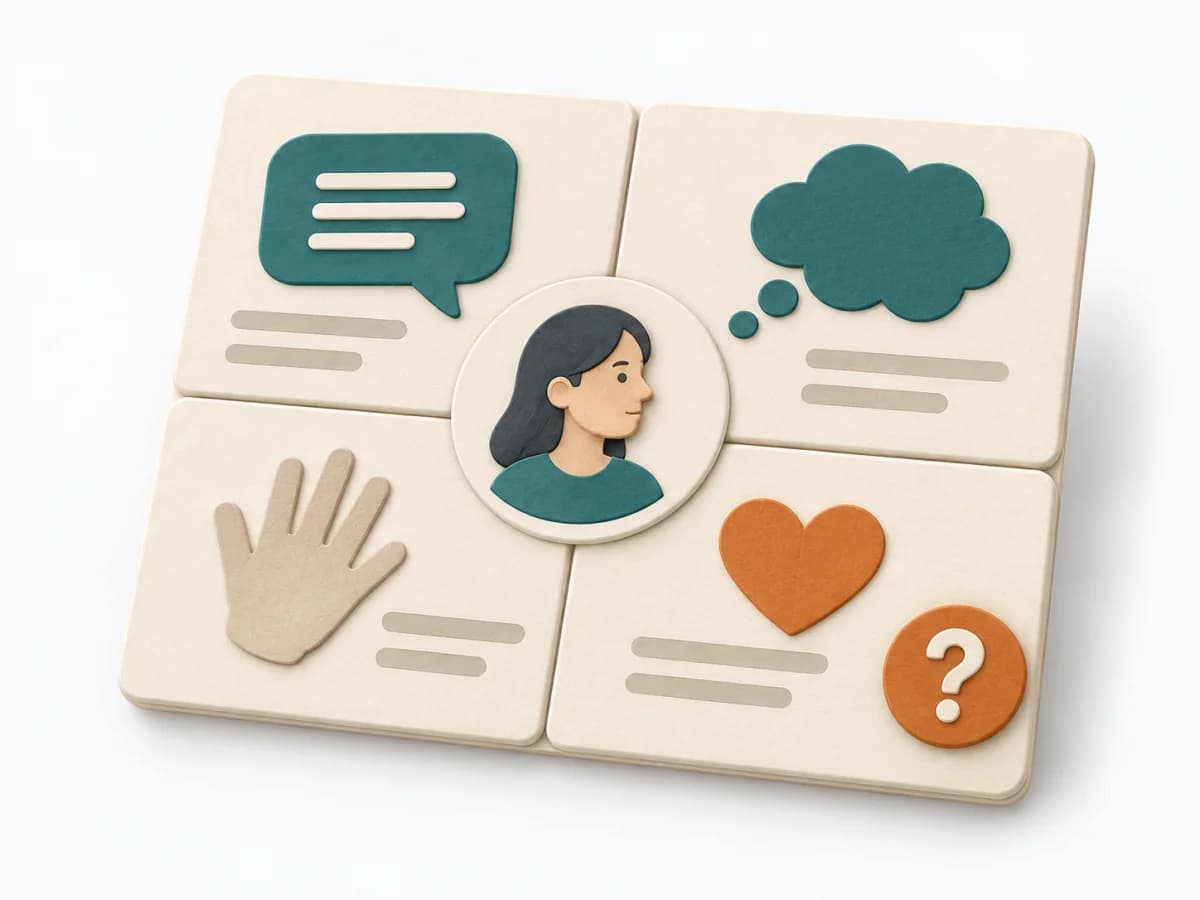 UX Research Empathy Mapping | 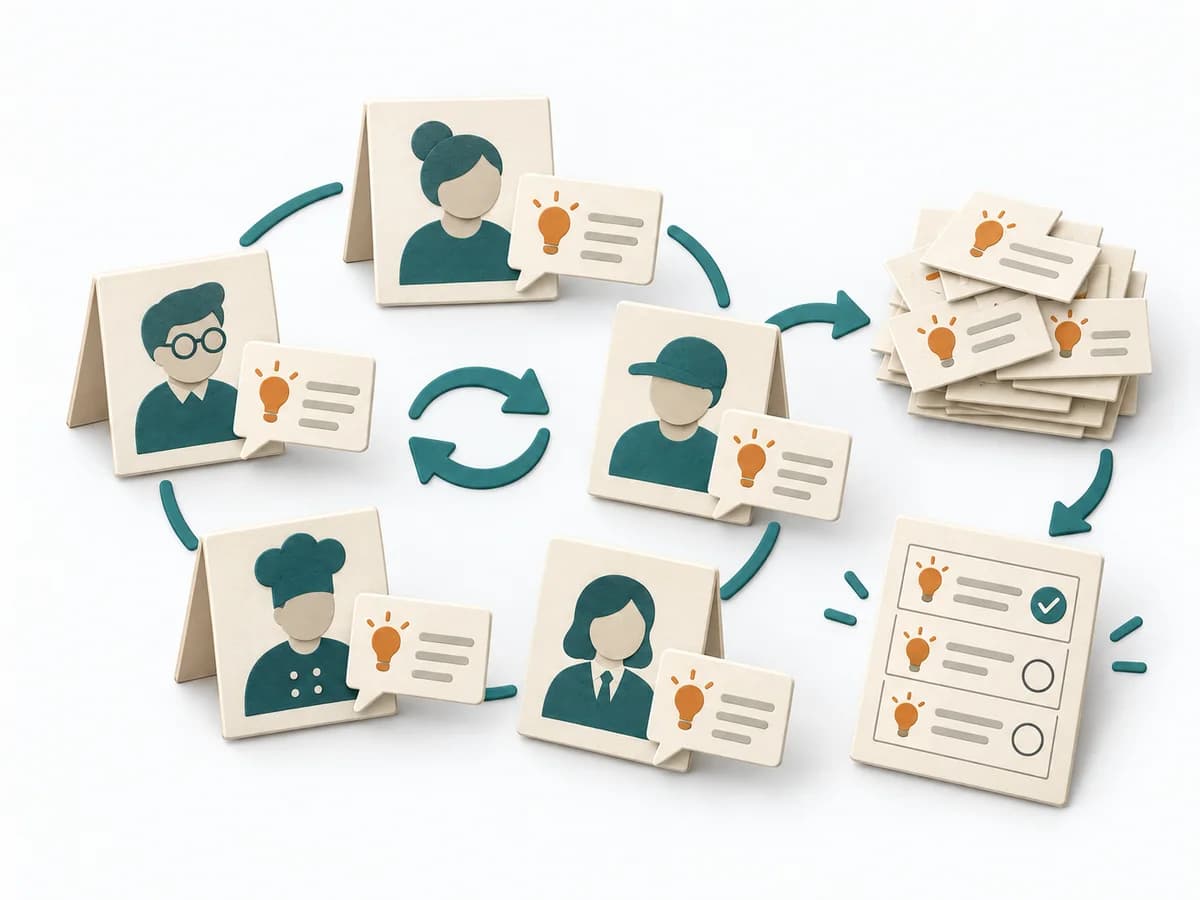 Innovation Rolestorming | 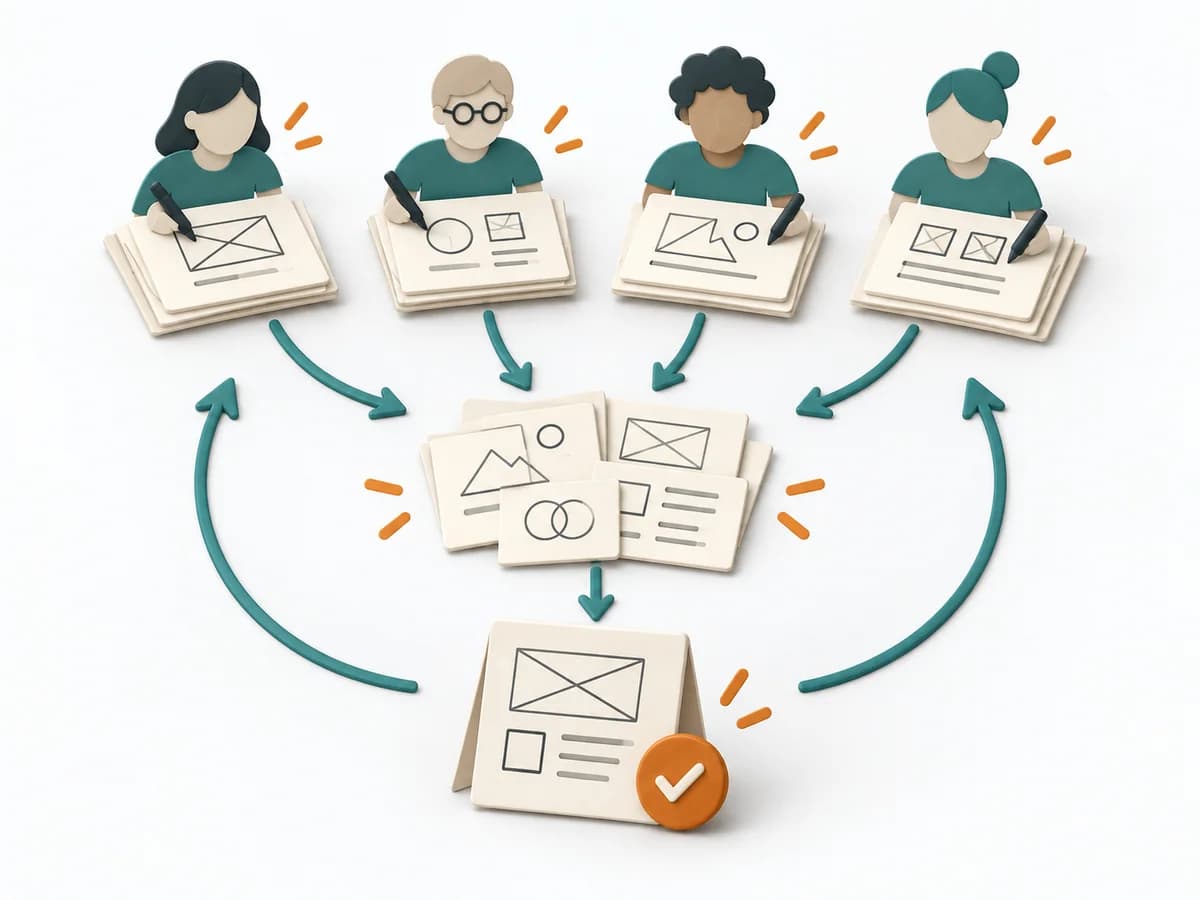 Innovation Design Charrette | 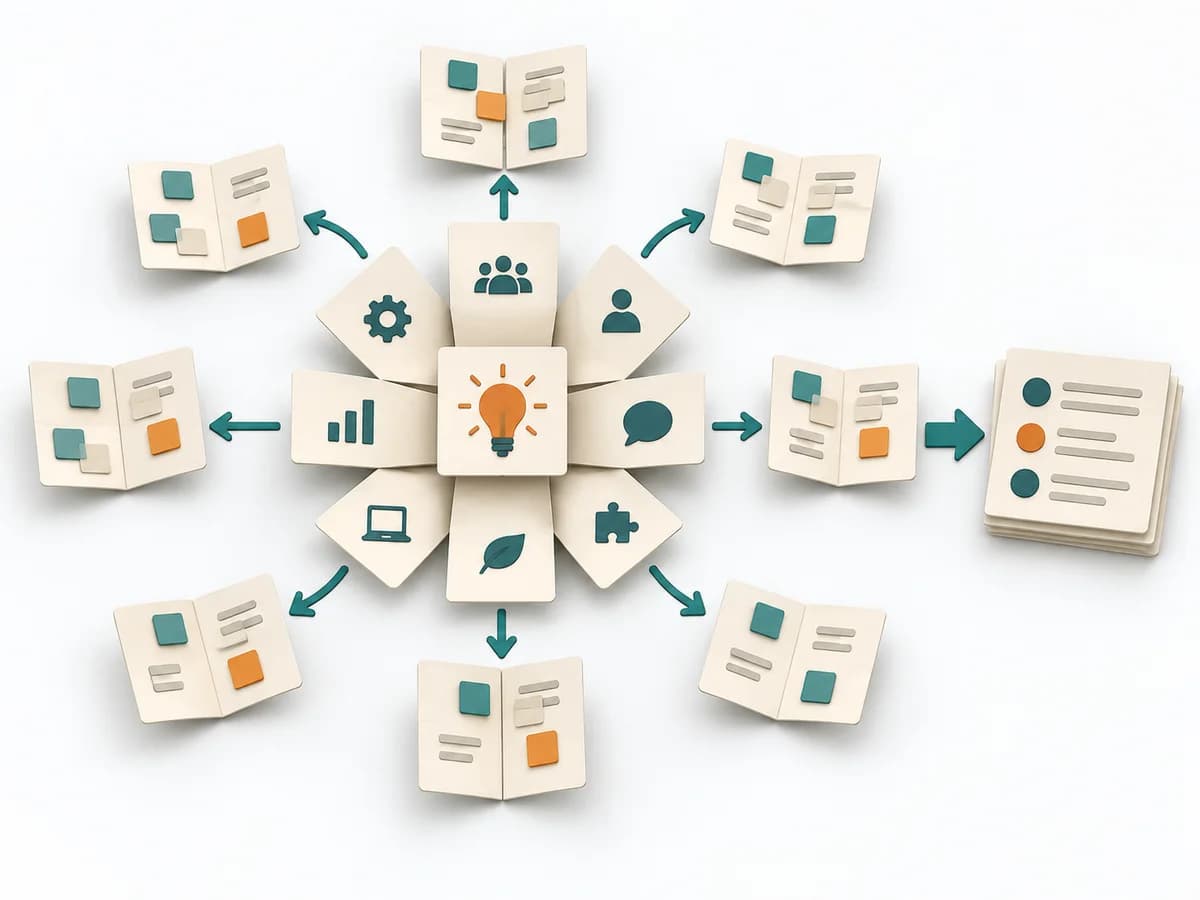 Innovation Lotus Blossom |
|---|---|---|---|---|
Purposedifferent | When a lot is assumed about a target group but little is seen jointly, empathy mapping makes knowledge and gaps directly comparable. The picture also shows which assumptions hold up and where evidence is missing. | When a search for ideas stalls, switching roles helps people step outside their own perspective and activate new logics of action. The method reduces habit because contributions arise from a different stance. This brings unfamiliar, often fitting solution approaches into play. | In a tightly timed design process with many participants, the method pools several lines of thinking in a short time. It brings parallel design energy without letting the discussion tip into endless coordination. This quickly produces solid directions for architecture or space. | When a central question feels too large, the method breaks it into neighboring topic fields with their own depth of ideation. It holds structure and openness at the same time, so adjacent perspectives don't get lost. This grows an idea space out of a core problem. |
Complexitydifferent | Low | Low | Medium | Low |
Timedifferent | 30–60 min | 30-60 min | Halber Tag bis mehrere Tage | 45-90 min |
Participantsdifferent | 4-8 | 3-12 | 10-50 | 3-10 |
Formatsame | Workshop | Workshop | Workshop | Workshop |
Outputdifferent | Empathy Map, Assumptions List, Research Gaps | Rollenkarten, Ideenpool pro Rolle, Konsolidierte Shortlist | Sketches and Concepts, Consolidated Solution Sketch, Prioritized Direction | Lotus Diagram, Idea Themes, Shortlist |
Tagsno overlap | SynthesisQualitativeWorkshop | BrainstormingIdeationCreativity | BrainstormingWorkshopCollaborationIdeation | BrainstormingIdeationCreativityDivergenceWorkshop |