View methods side by side.
Choose up to four methods. Add them using the search and share the comparison by copying its link.
| Criterion |  UX Research Empathy Mapping | 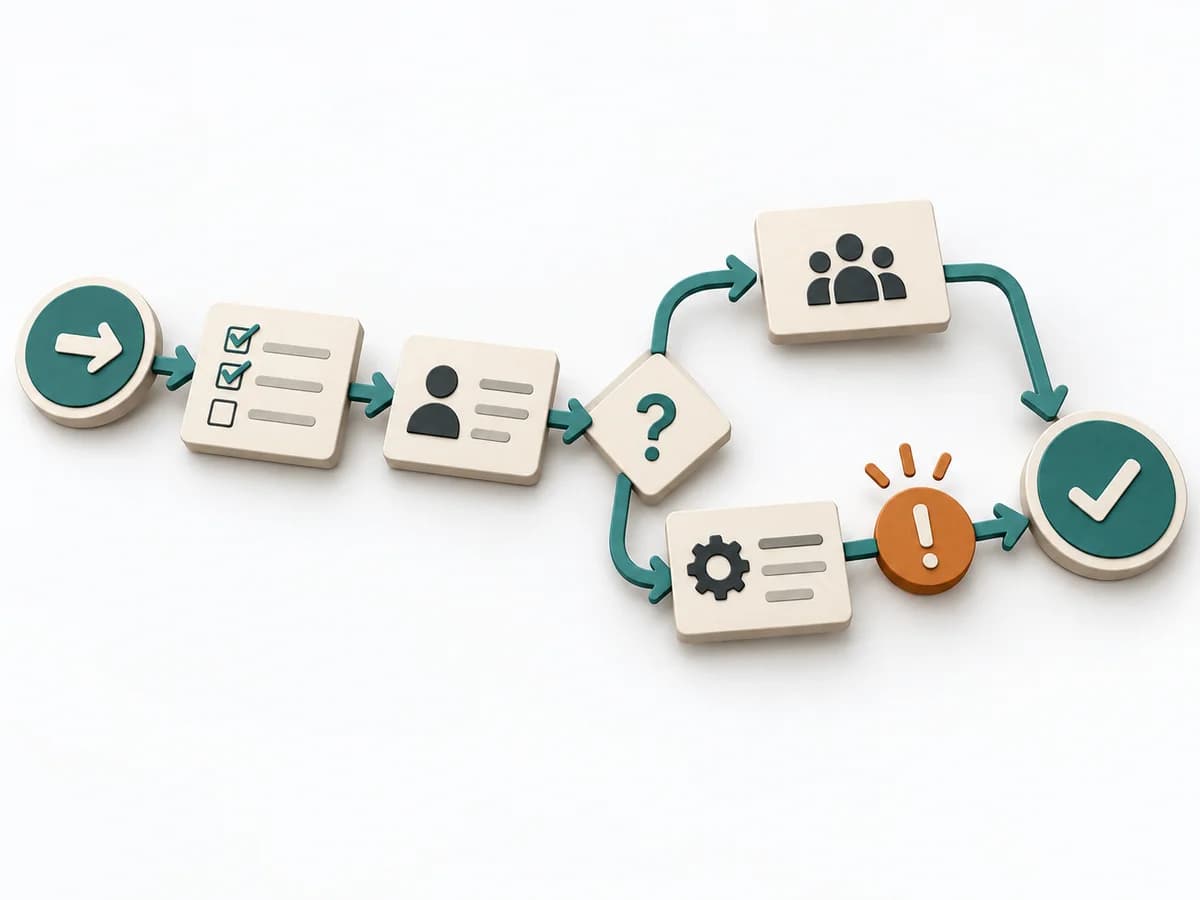 Operations Process Mapping | 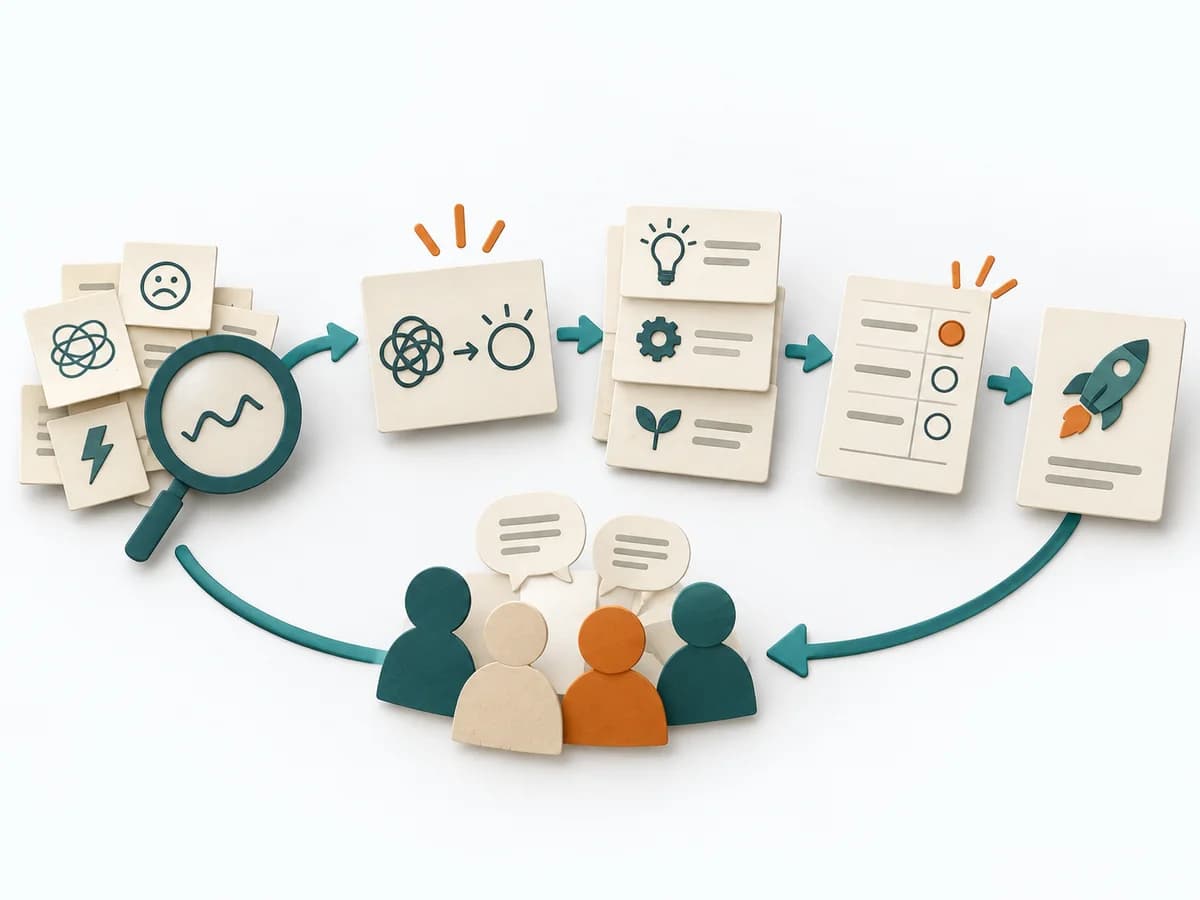 Facilitation Decision Jam | 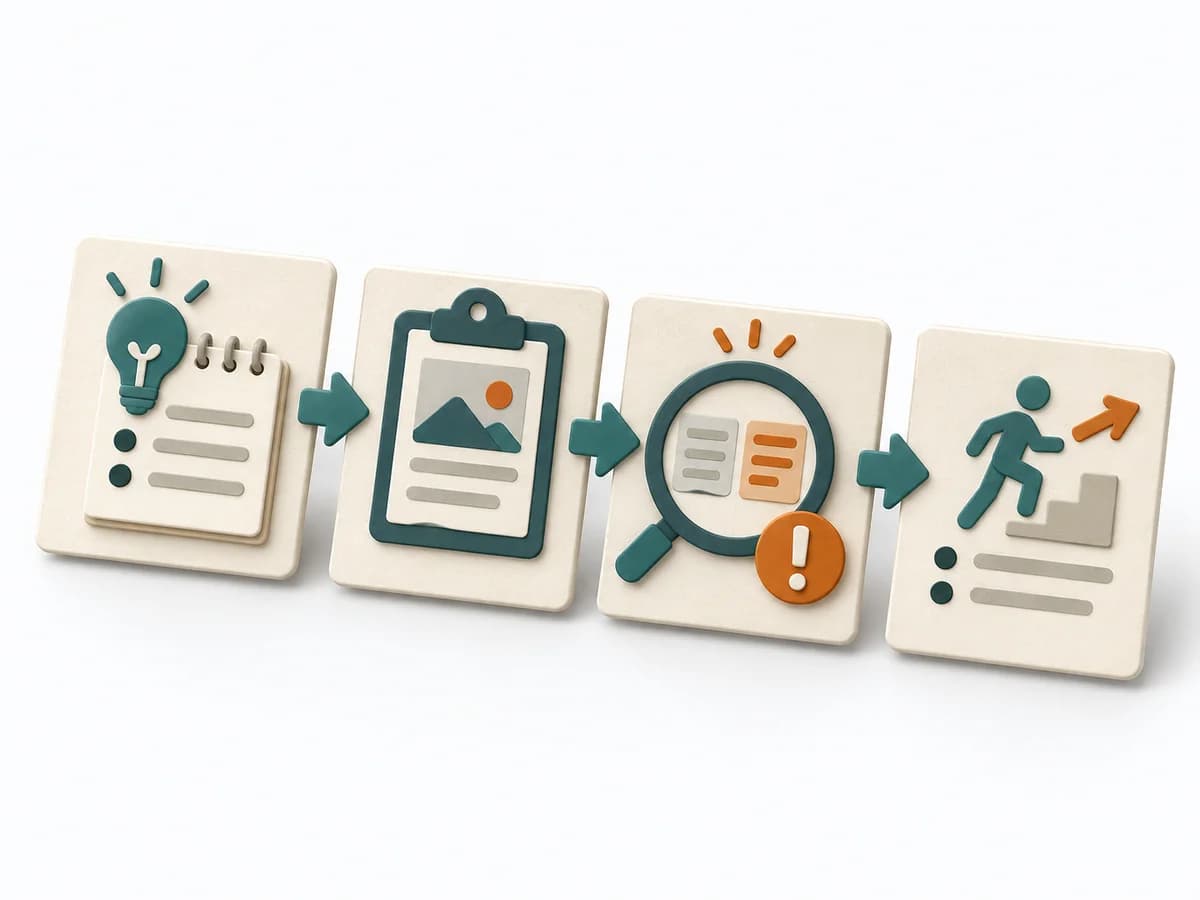 Operations After-Action Review |
|---|---|---|---|---|
Purposedifferent | When a lot is assumed about a target group but little is seen jointly, empathy mapping makes knowledge and gaps directly comparable. The picture also shows which assumptions hold up and where evidence is missing. | With a confusing workflow that has many handoffs, the method makes the actual process visible. It shows where work is passed on, delayed, or duplicated, so improvement targets the right spots. | When a decision is stuck, Decision Jam loosens the knot through structured separation of problem, idea, and selection. The format creates movement without jumping prematurely at the first seemingly elegant answer. | After missions or project phases with unclear outcomes, the method makes visible what actually happened and what can be learned from it. It separates course, effect, and causes so experience turns into solid improvement. |
Complexitydifferent | Low | Medium | Low | Low |
Timedifferent | 30–60 min | 1-3 h | 60-90 min | 20-45 min |
Participantsdifferent | 4-8 | 3-10 | 4-10 | 3-12 |
Formatdifferent | Workshop | Workshop | Workshop | Workshop + async |
Outputdifferent | Empathy Map, Assumptions List, Research Gaps | Process Map, Handoff List, Improvement Backlog | Problem Cluster, Prioritized Challenge, Experiment | Lessons learned, Action items, Event summary |
Tagsno overlap | SynthesisQualitativeWorkshop | ProcessOperationsImprovement | FacilitationDecisionProblem solvingWorkshop | LearningOperationsImprovement |