View methods side by side.
Choose up to four methods. Add them using the search and share the comparison by copying its link.
| Criterion |  UX Research Empathy Mapping | 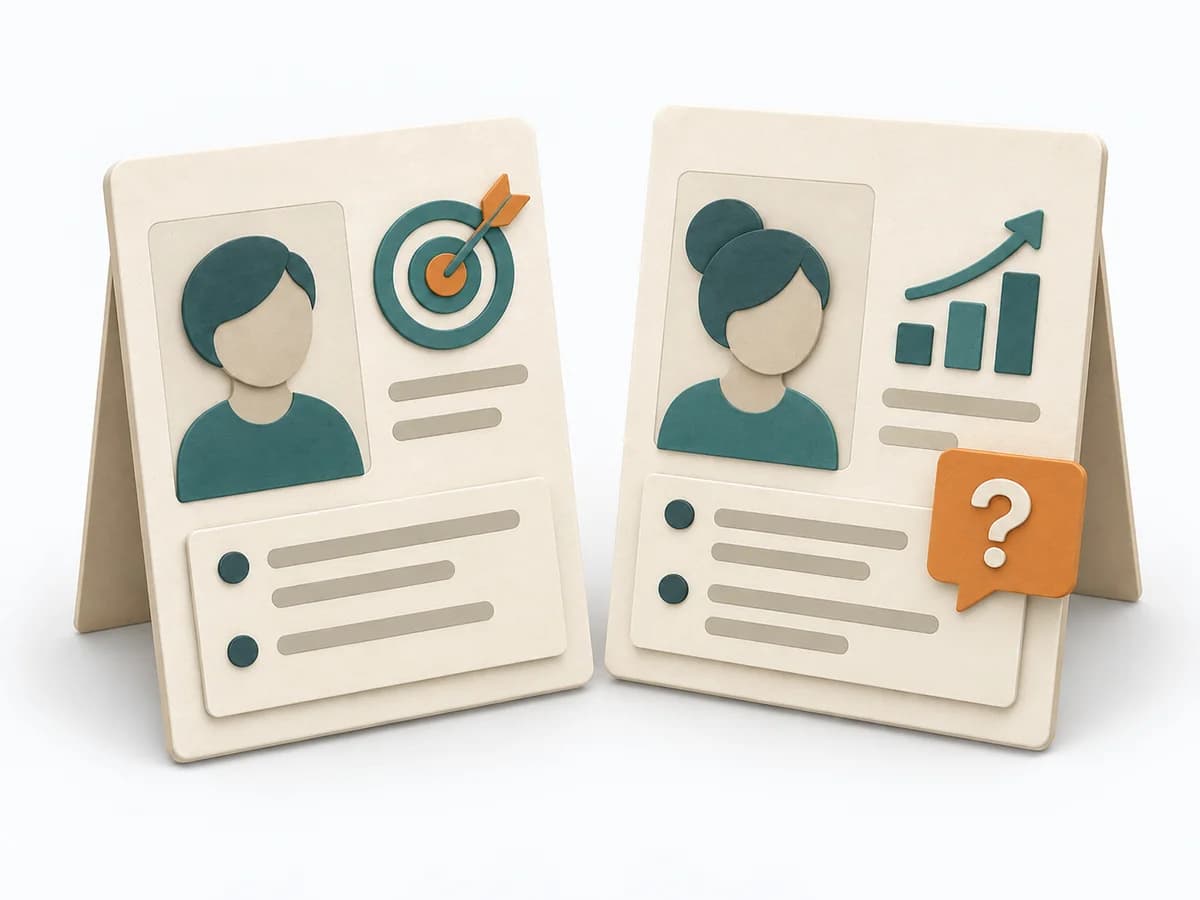 UX Research Personas |  Knowledge Modeling Knowledge Mapping | 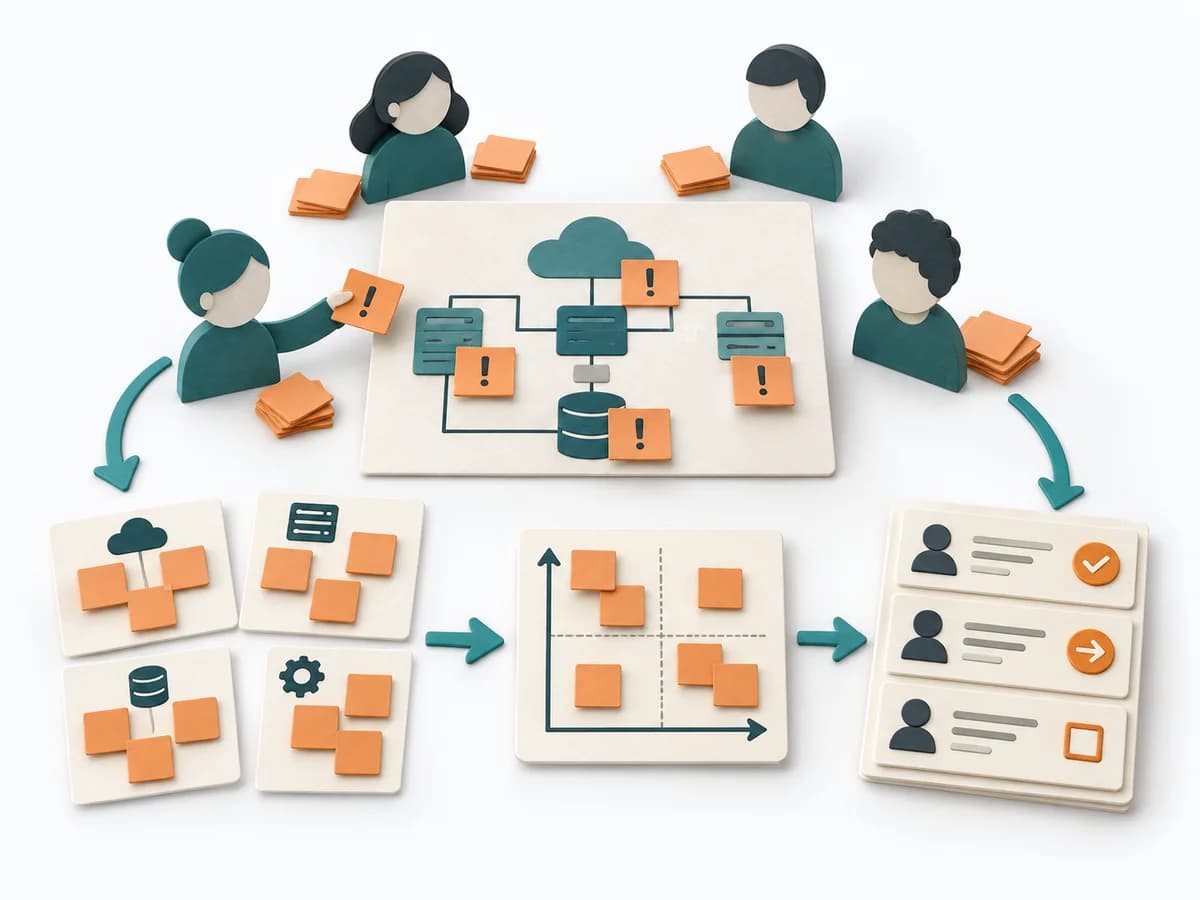 Architecture Risk Storming |
|---|---|---|---|---|
Purposedifferent | When a lot is assumed about a target group but little is seen jointly, empathy mapping makes knowledge and gaps directly comparable. The picture also shows which assumptions hold up and where evidence is missing. | When target groups stay too vague and teams talk about the same people differently, personas create a shared, solid picture of usage. Condensed profiles make needs, contexts, and differences tangible enough for decisions. | Knowledge Mapping makes knowledge, gaps, and transfer paths visible across a field. It fits when expertise should not just exist but also be findable and transferable. | Helps clarify architecture context, options, and consequences in concrete terms. It organizes technical context, alternatives, and consequences. The result is captured as an Annotated Diagram, a Prioritized Risk List, and an Action Backlog. |
Complexitydifferent | Low | Medium | Medium | Low |
Timedifferent | 30–60 min | 1-3 Tage | 1-3 h | 60-90 min |
Participantsdifferent | 4-8 | Internes Team | 3-12 | 4-12 |
Formatdifferent | Workshop | Workshop + async | Workshop | Workshop |
Outputdifferent | Empathy Map, Assumptions List, Research Gaps | Persona Profiles, Needs Summary, Scenario Notes | Knowledge Map, Critical Knowledge Areas, Transfer Plan | Annotated Diagram, Prioritized Risk List, Action Backlog |
Tagsno overlap | SynthesisQualitativeWorkshop | ResearchCustomerSynthesis | KnowledgeMappingRisk | RiskArchitectureWorkshopValidation |