View methods side by side.
Choose up to four methods. Add them using the search and share the comparison by copying its link.
| Criterion | 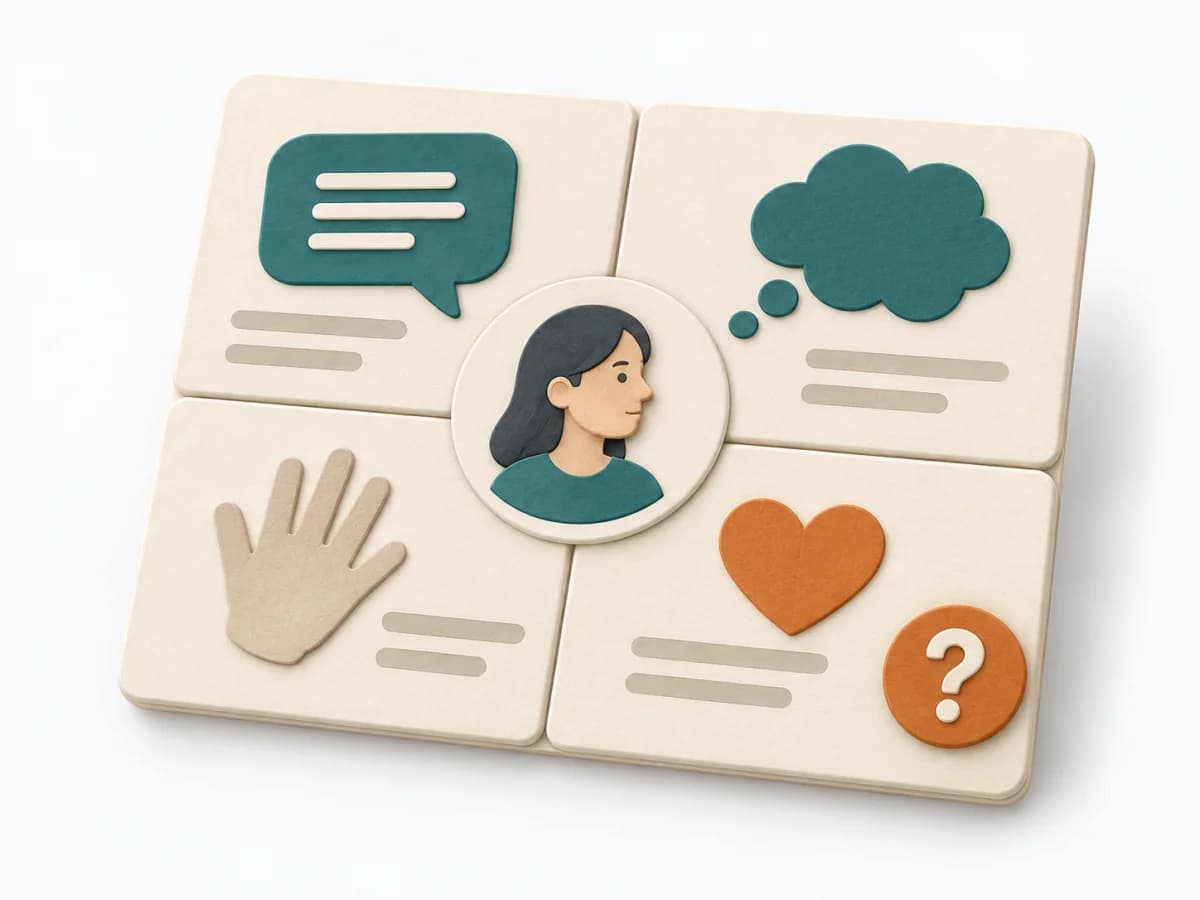 UX Research Empathy Mapping | 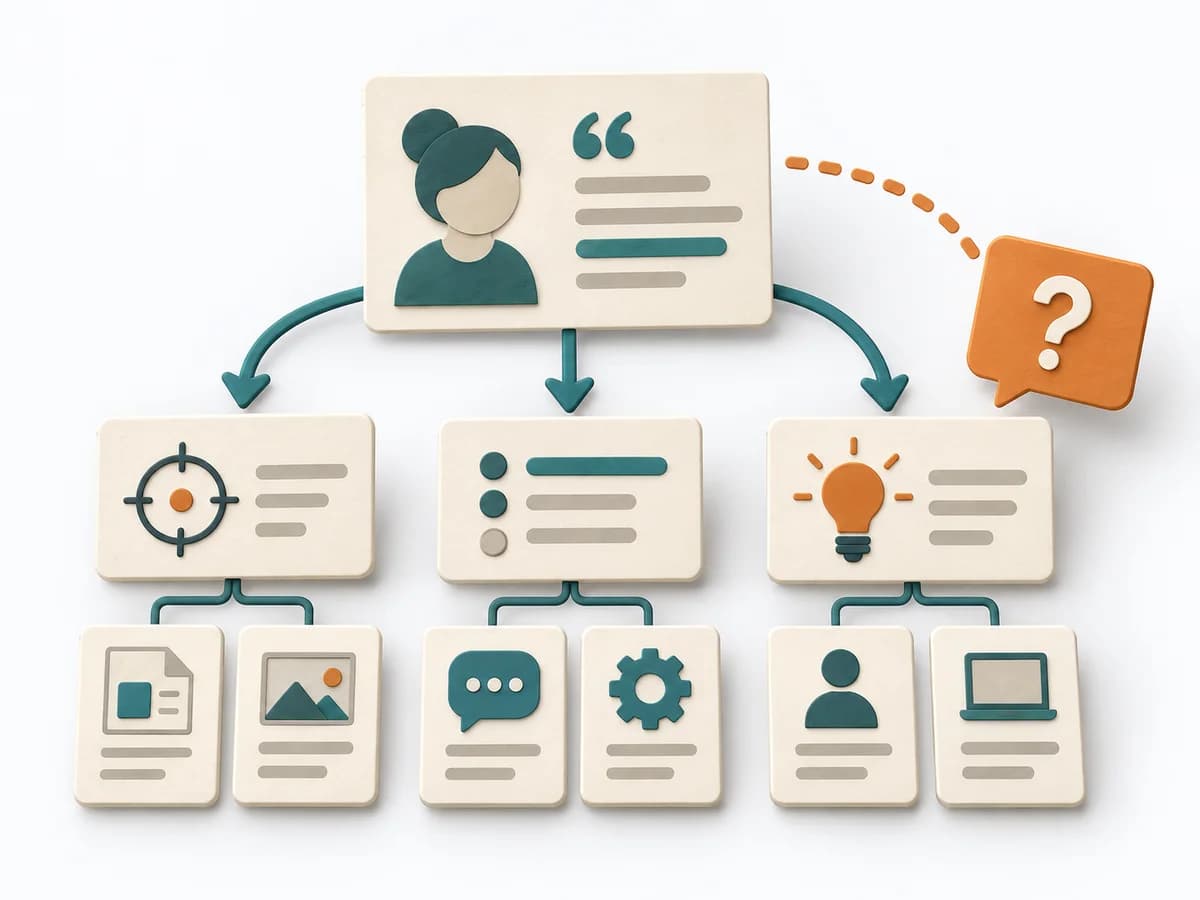 Agile Example Mapping | 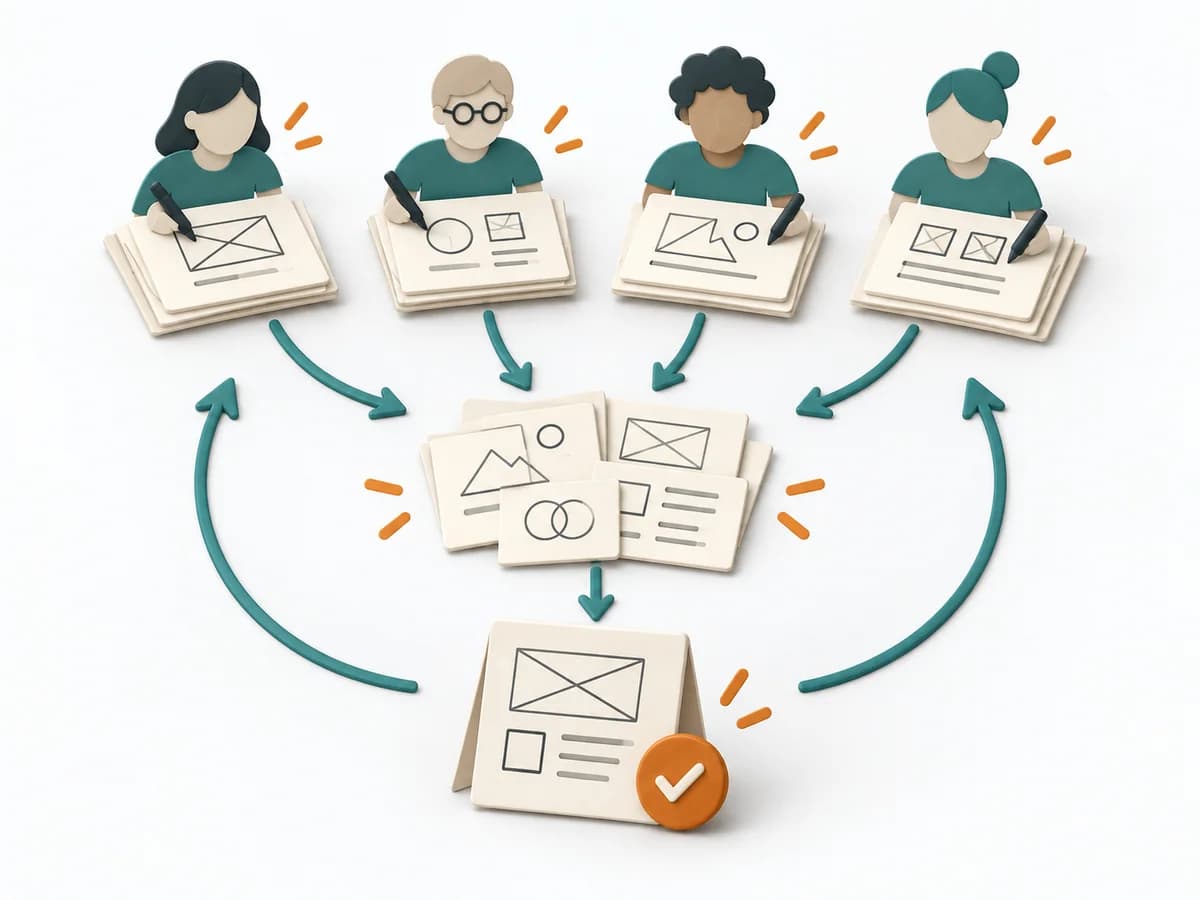 Innovation Design Charrette | 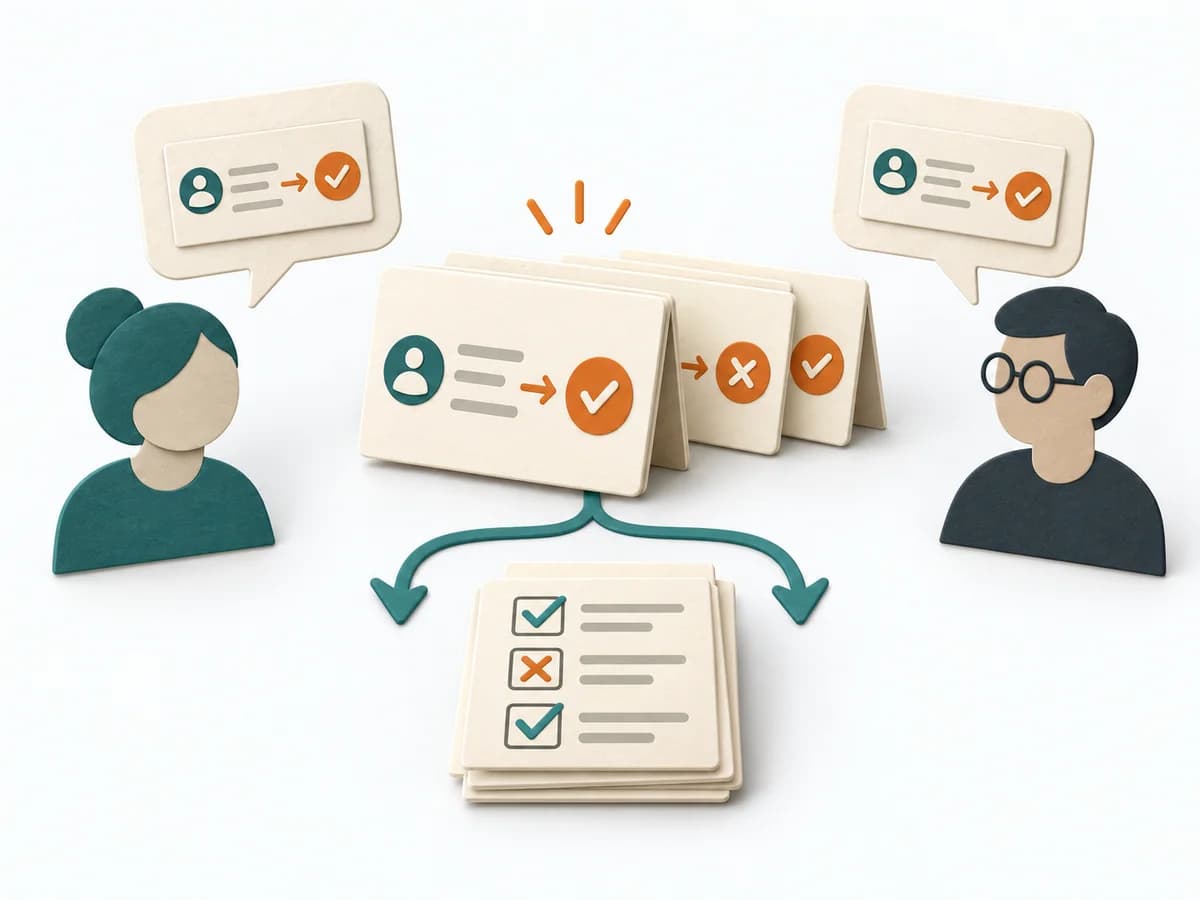 Agile Specification by Example |
|---|---|---|---|---|
Purposedifferent | When a lot is assumed about a target group but little is seen jointly, empathy mapping makes knowledge and gaps directly comparable. The picture also shows which assumptions hold up and where evidence is missing. | When a story carries business rules and exceptions, it brings clarity before implementation. It makes examples, open questions, and boundaries visible enough that the logic becomes jointly sound. | In a tightly timed design process with many participants, the method pools several lines of thinking in a short time. It brings parallel design energy without letting the discussion tip into endless coordination. This quickly produces solid directions for architecture or space. | When business rules need to become precise, it ties language, example, and test together. It sorts work by value, risk, and delivery ability. The result is captured as an Example Table and Acceptance Tests. |
Complexitydifferent | Low | Low | Medium | Medium |
Timedifferent | 30–60 min | 30-60 min | Halber Tag bis mehrere Tage | 60-90 min pro Feature |
Participantsdifferent | 4-8 | 3-7 | 10-50 | 3-6 |
Formatsame | Workshop | Workshop | Workshop | Workshop |
Outputdifferent | Empathy Map, Assumptions List, Research Gaps | Example Map, Acceptance Criteria, Open Questions | Sketches and Concepts, Consolidated Solution Sketch, Prioritized Direction | Example Table, Acceptance Tests |
Tagsno overlap | SynthesisQualitativeWorkshop | Behavior-Driven DevelopmentRequirementsExamplesRefinement | BrainstormingWorkshopCollaborationIdeation | AgileRequirementsExamplesBehavior-Driven Development |