View methods side by side.
Choose up to four methods. Add them using the search and share the comparison by copying its link.
| Criterion |  UX Research Empathy Mapping | 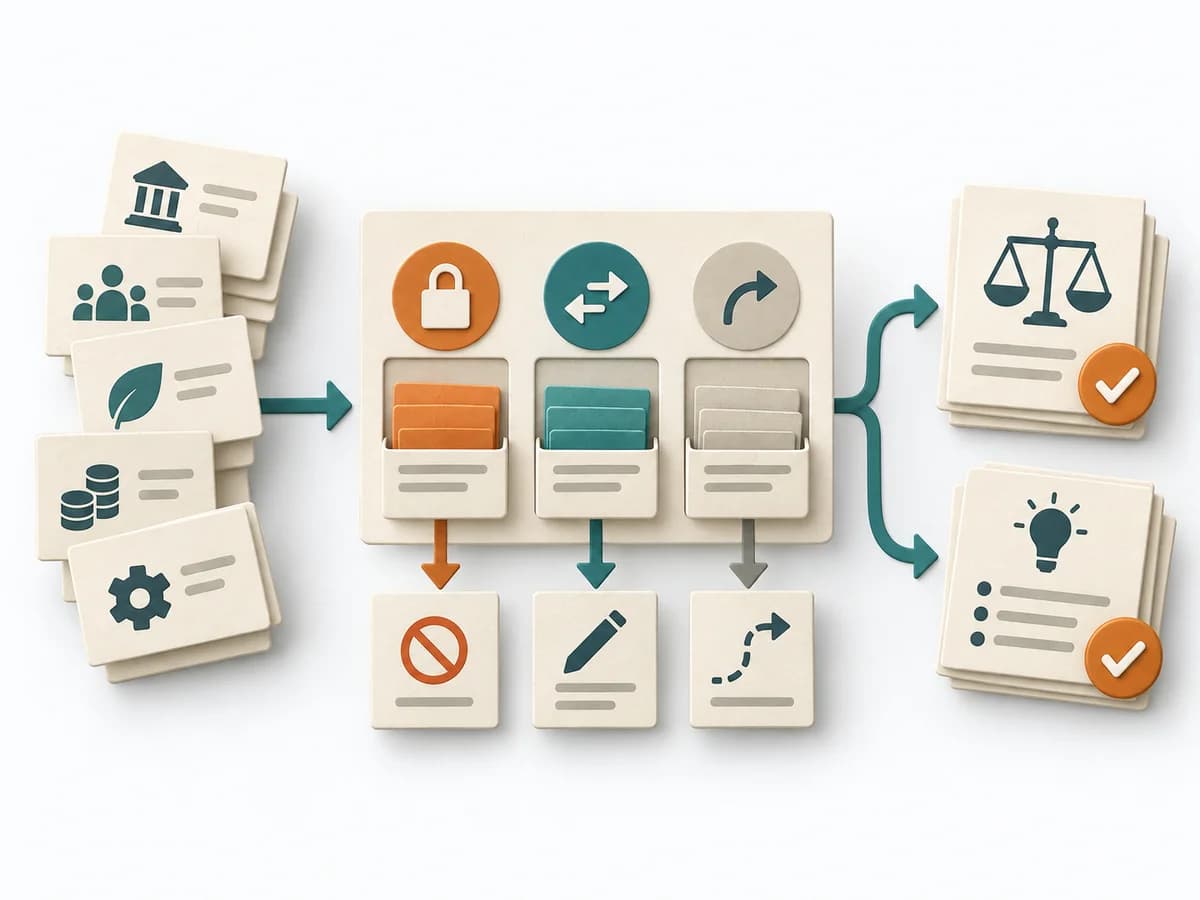 Decision Making Constraint Analysis | 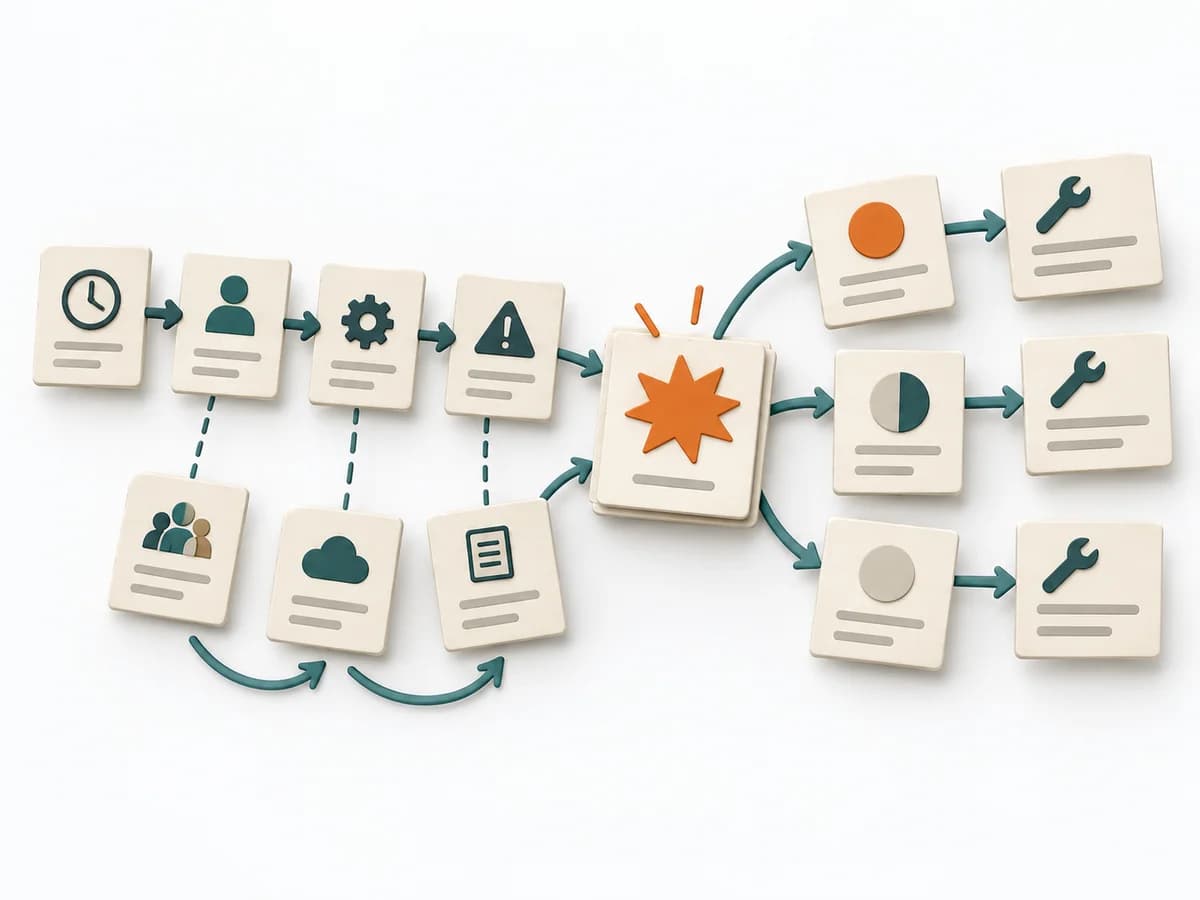 Operations Causal Factor Analysis |  Operations Barrier Analysis |
|---|---|---|---|---|
Purposedifferent | When a lot is assumed about a target group but little is seen jointly, empathy mapping makes knowledge and gaps directly comparable. The picture also shows which assumptions hold up and where evidence is missing. | When an initiative stalls, the limit often lies not in the idea but in hard or soft boundary conditions. Constraint Analysis separates these limits and shows which of them can actually be shaped. | For an event with a complicated course, the method breaks down the contributing factors along the timeline. It shows how conditions, decisions, and reactions together produce a course of events. | For a risk that can only be managed through multiple layers of protection, the method examines the effectiveness of each barrier. It shows where safeguards are missing, too weak, or fail under real conditions. |
Complexitydifferent | Low | Low | High | Medium |
Timedifferent | 30–60 min | 30-90 min | 2-6 h | 2-4 h |
Participantsdifferent | 4-8 | 2-8 | 3-10 | 2-6 |
Formatdifferent | Workshop | Workshop + async | Workshop + async | Workshop + async |
Outputdifferent | Empathy Map, Assumptions List, Research Gaps | Constraint List, Hard/Soft Classification, Option Impact Notes, Decision Boundaries | Event Timeline, Causal Factor Chart, Cause List, Corrective Actions | Barrier Inventory, Failure Analysis per Barrier, Action Backlog |
Tagsno overlap | SynthesisQualitativeWorkshop | ConstraintsDecisionPlanningOptions | CausalityIncidentRoot causeTimeline | Root causeSafetyIncident |