View methods side by side.
Choose up to four methods. Add them using the search and share the comparison by copying its link.
| Criterion |  Innovation Double Diamond | 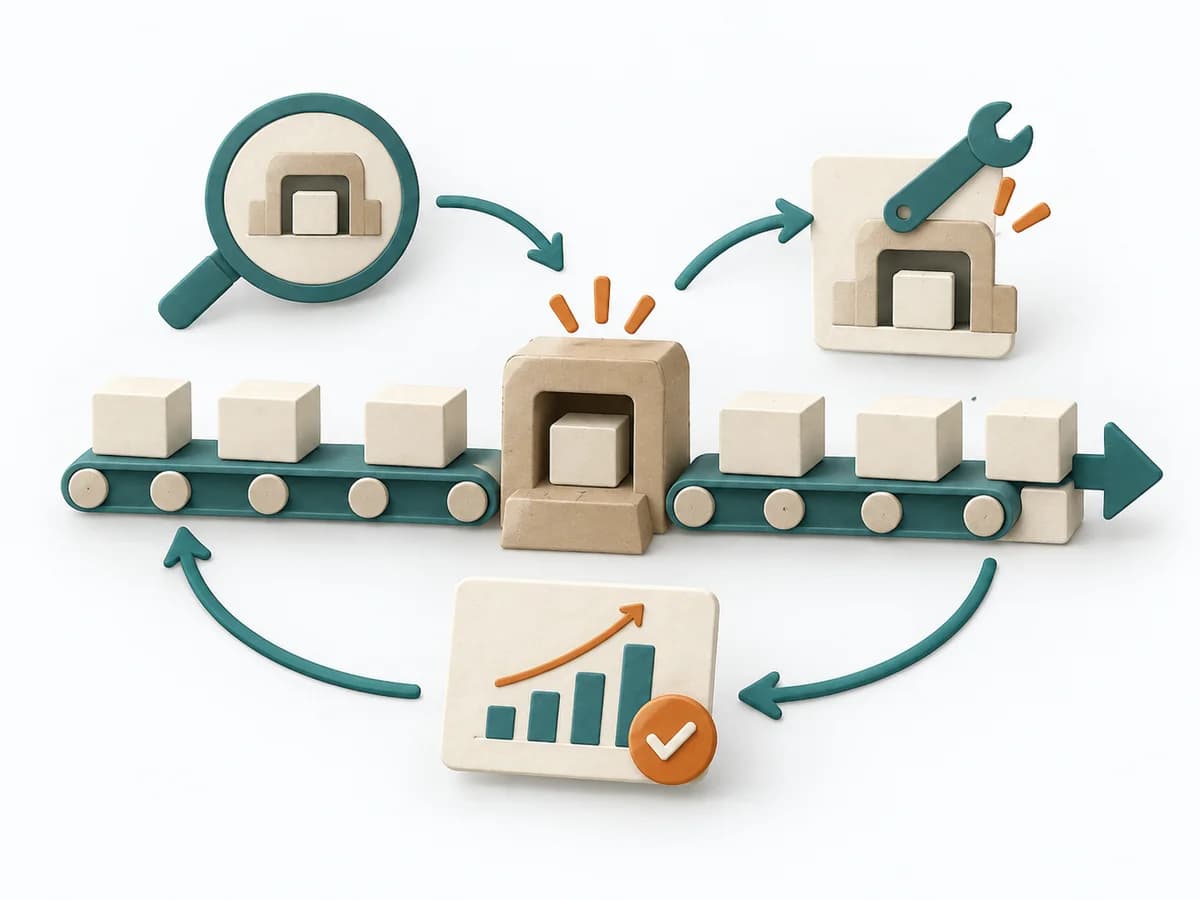 Operations Theory of Constraints |  Operations Gemba Walk | 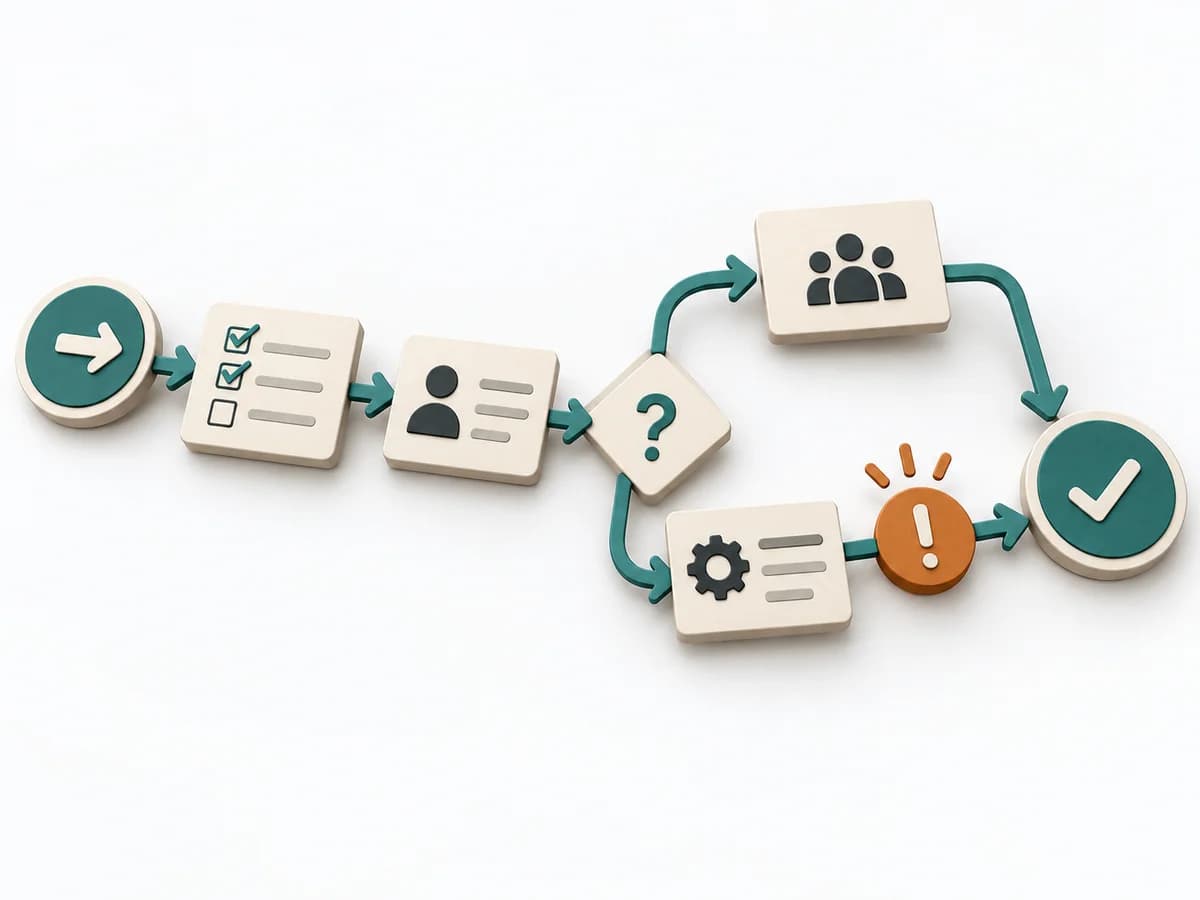 Operations Process Mapping |
|---|---|---|---|---|
Purposedifferent | For complex problems with a fuzzy situation, the method cleanly separates search space and decision. It first creates breadth in understanding and then focus in elaboration. This brings open questions, problem definition, and solution path into a traceable movement. | For a system that does not get faster despite effort, the method directs attention to the bottleneck. It concentrates improvement on the point that actually limits throughput. | When there is uncertainty about the real course of a process, the method brings observation to the place where work happens. It combines perception, follow-up questions, and process knowledge so decisions rest on actual workflows instead of assumptions. | With a confusing workflow that has many handoffs, the method makes the actual process visible. It shows where work is passed on, delayed, or duplicated, so improvement targets the right spots. |
Complexitydifferent | Medium | High | Low | Medium |
Timedifferent | Wochen bis Monate | 2-4 h Analyse, laufend | 30-120 min | 1-3 h |
Participantsdifferent | 3-12 | 3-12 | 2-6 | 3-10 |
Formatdifferent | Workshop + async | Workshop + async | Workshop | Workshop |
Outputdifferent | Problem Statement, Solution Options, Prototypes, Deliverables per Phase | Constraint Map, Improvement Plan, Flow Metrics | Observation Notes, Improvement Ideas | Process Map, Handoff List, Improvement Backlog |
Tagsno overlap | ProcessDivergenceInnovation | OperationsConstraintsFlowImprovement | LeanObservationProcessOperations | ProcessOperationsImprovement |