View methods side by side.
Choose up to four methods. Add them using the search and share the comparison by copying its link.
| Criterion |  Innovation Double Diamond | 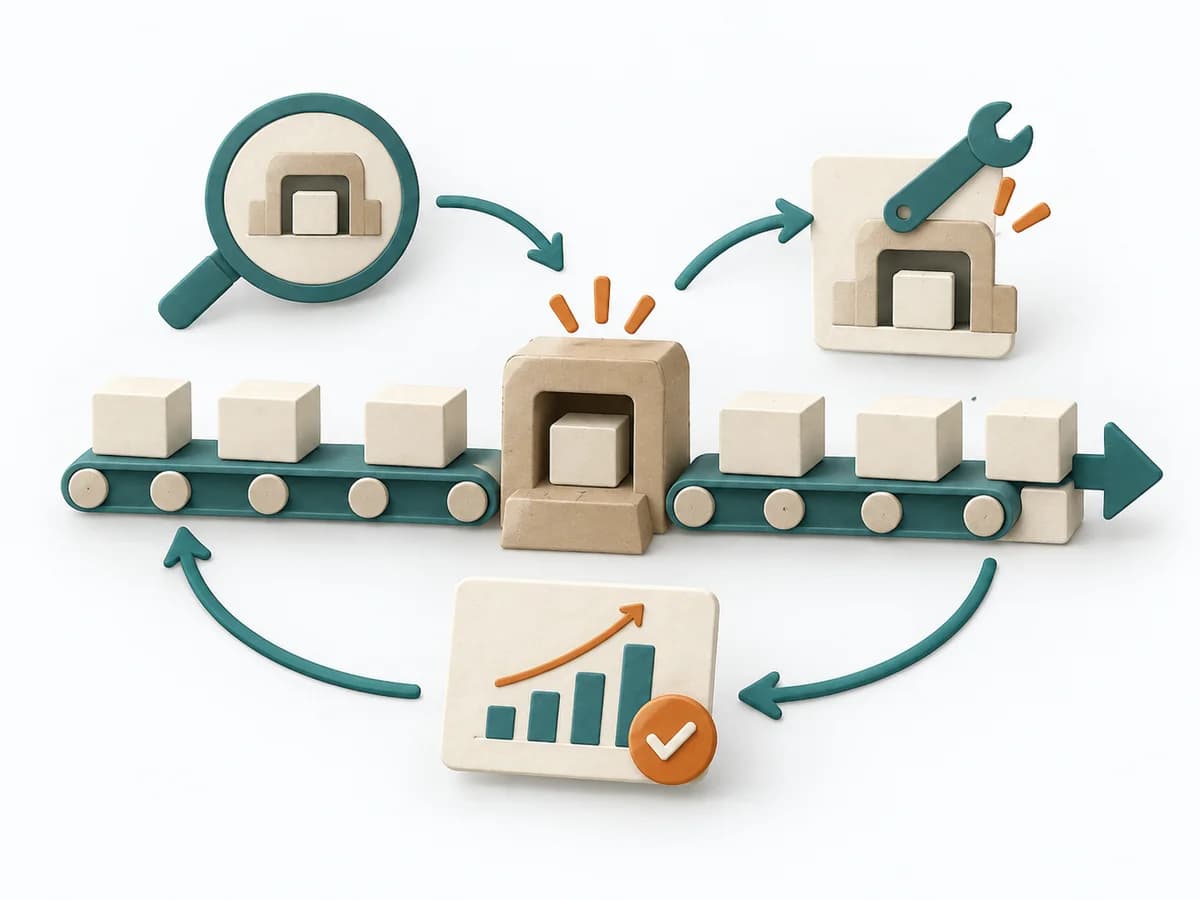 Operations Theory of Constraints |  Agile 4Ls Retrospective | 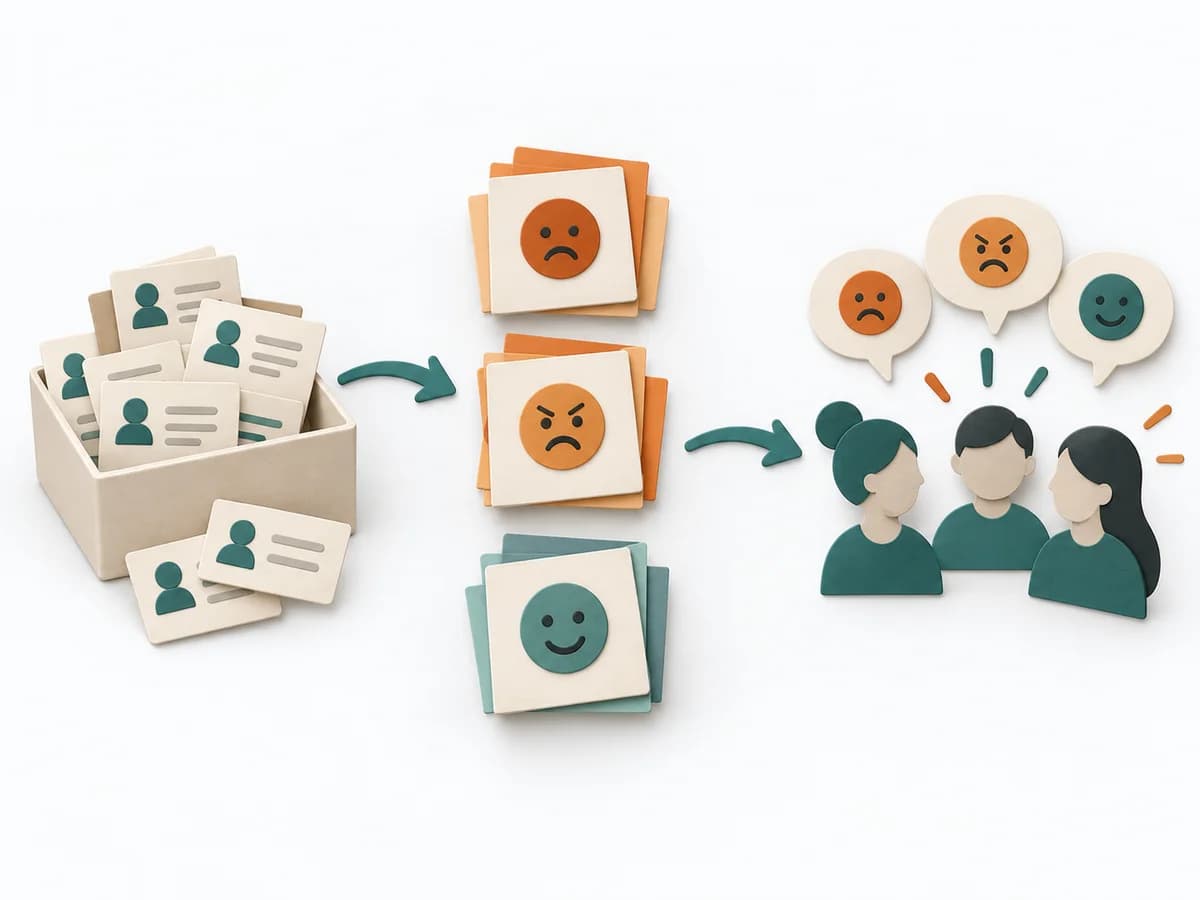 Agile Mad Sad Glad |
|---|---|---|---|---|
Purposedifferent | For complex problems with a fuzzy situation, the method cleanly separates search space and decision. It first creates breadth in understanding and then focus in elaboration. This brings open questions, problem definition, and solution path into a traceable movement. | For a system that does not get faster despite effort, the method directs attention to the bottleneck. It concentrates improvement on the point that actually limits throughput. | When a sprint should not only be assessed but also learned from, it captures experience in clear learning categories. It records what worked, what's missing, and what should run differently next time. | When a team's or workshop's mood needs to become readable, it structures emotional signals with little setup. It makes strain, relief, and sources of energy tangible. |
Complexitydifferent | Medium | High | Low | Low |
Timedifferent | Wochen bis Monate | 2-4 h Analyse, laufend | 45–75 min | 30-60 min |
Participantsdifferent | 3-12 | 3-12 | Team members involved | 3-10 |
Formatdifferent | Workshop + async | Workshop + async | Workshop | Workshop |
Outputdifferent | Problem Statement, Solution Options, Prototypes, Deliverables per Phase | Constraint Map, Improvement Plan, Flow Metrics | 4Ls Board, Learning Themes, Improvement Actions | Emotion Board, Themes, Action Items |
Tagsno overlap | ProcessDivergenceInnovation | OperationsConstraintsFlowImprovement | RetrospectiveLearningReflectionTeam | RetrospectiveTeamReflection |