View methods side by side.
Choose up to four methods. Add them using the search and share the comparison by copying its link.
| Criterion |  Innovation Double Diamond | 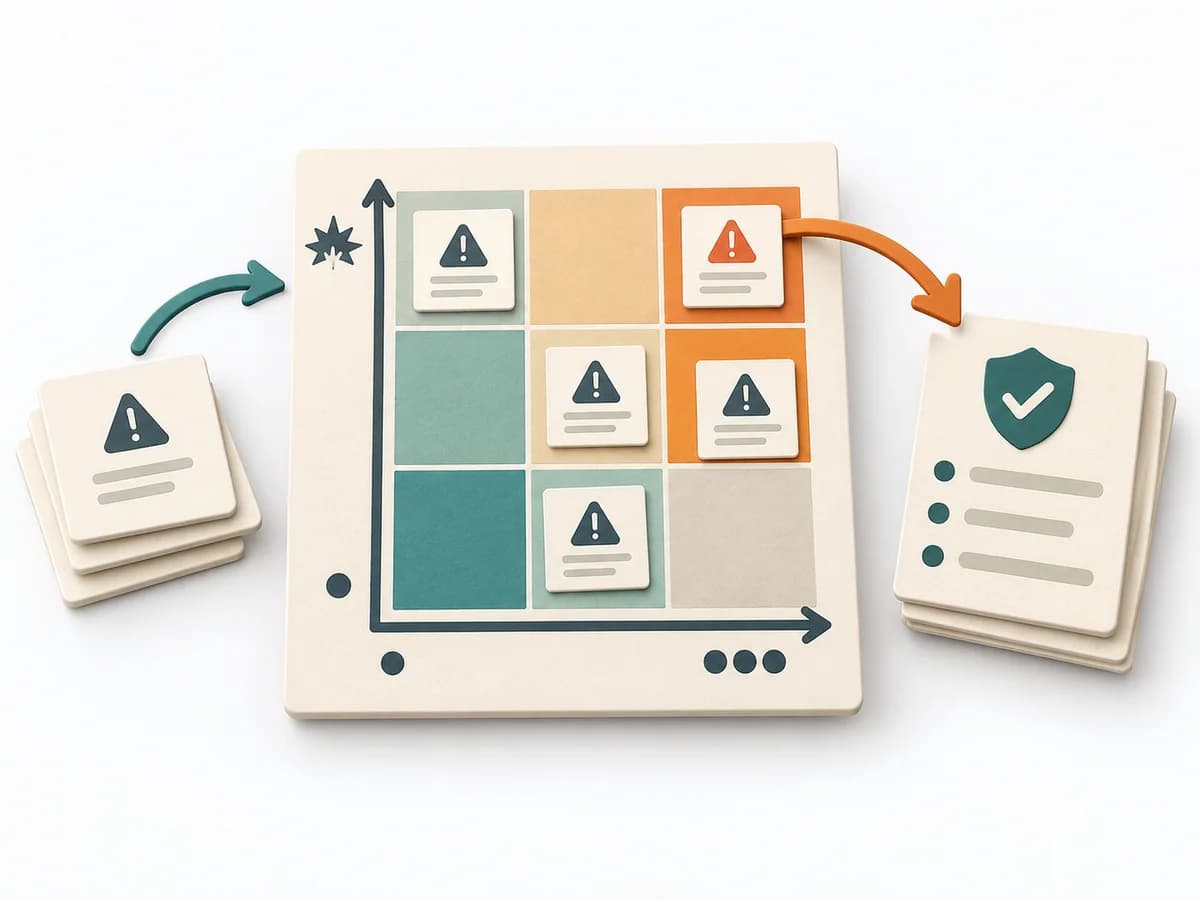 Decision Making Risk Matrix | 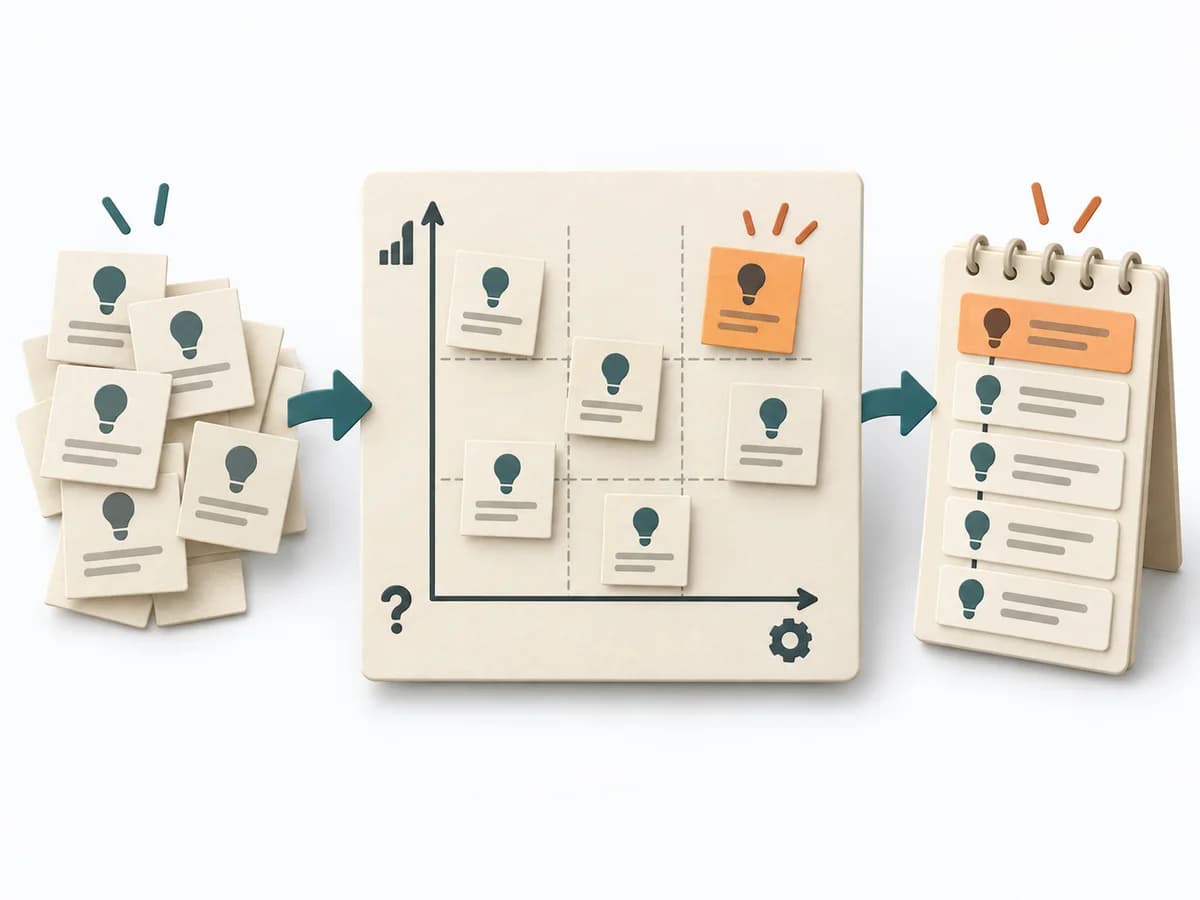 Product Discovery Hypothesis Prioritization Canvas | 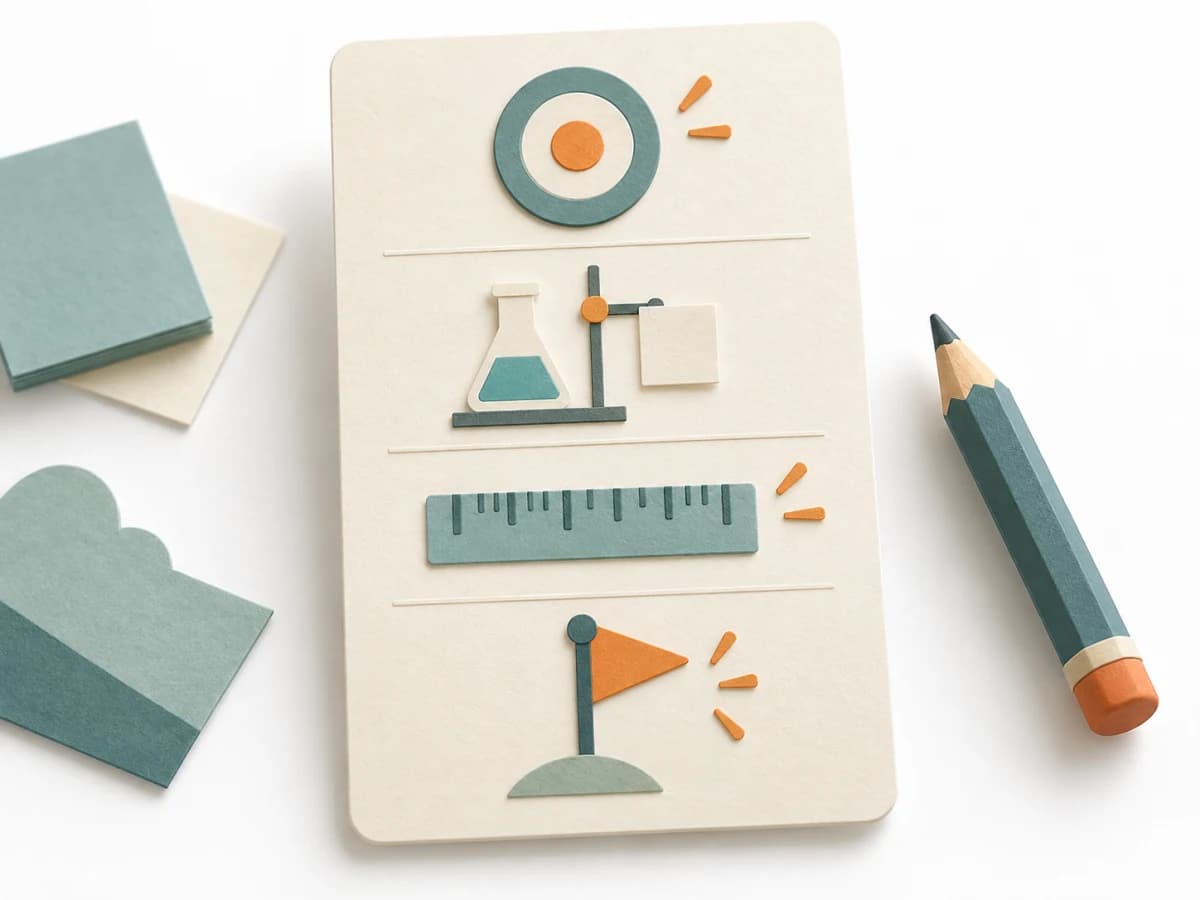 Product Discovery Test Card |
|---|---|---|---|---|
Purposedifferent | For complex problems with a fuzzy situation, the method cleanly separates search space and decision. It first creates breadth in understanding and then focus in elaboration. This brings open questions, problem definition, and solution path into a traceable movement. | When a project faces many possible disruptions, it quickly becomes unclear which risks deserve attention first. It separates options, evaluation criteria, and open risks. The result is captured as a Risk Matrix and a Top Risk List. | When many hypotheses compete for attention, it brings order to their learning sequence and importance. It separates problem, assumption, solution, and evidence. The result is captured as a prioritization canvas and a hypothesis backlog. | The Test Card turns a critical assumption into a testable claim and specifies in advance which result counts as success. |
Complexitydifferent | Medium | Low | Medium | Low |
Timedifferent | Wochen bis Monate | 30-60 min | 60-90 min | 20-35 min |
Participantsdifferent | 3-12 | 3-10 | 3-8 | 1-5 |
Formatdifferent | Workshop + async | Workshop + async | Workshop | Workshop + async |
Outputdifferent | Problem Statement, Solution Options, Prototypes, Deliverables per Phase | Risk Matrix, Top Risk List | Prioritization Canvas, Hypothesis Backlog | Test Card with a pre-set threshold |
Tagsno overlap | ProcessDivergenceInnovation | RiskDecisionPrioritizationAssessment | ExperimentsPrioritizationDiscoveryHypothesis | ExperimentsValidationDiscoveryHypothesis |