View methods side by side.
Choose up to four methods. Add them using the search and share the comparison by copying its link.
| Criterion |  Facilitation Dot Voting |  UX Research Empathy Mapping | 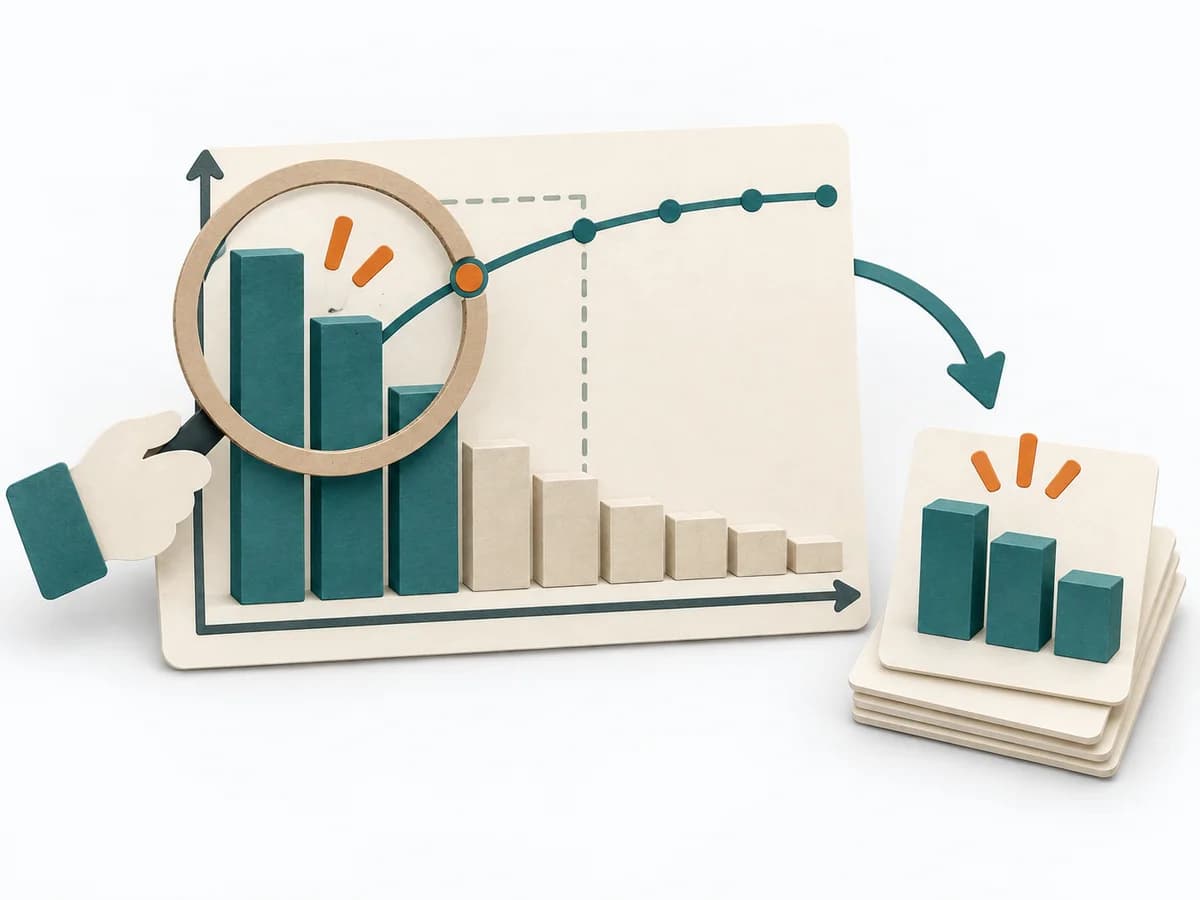 Decision Making Pareto Analysis |
|---|---|---|---|
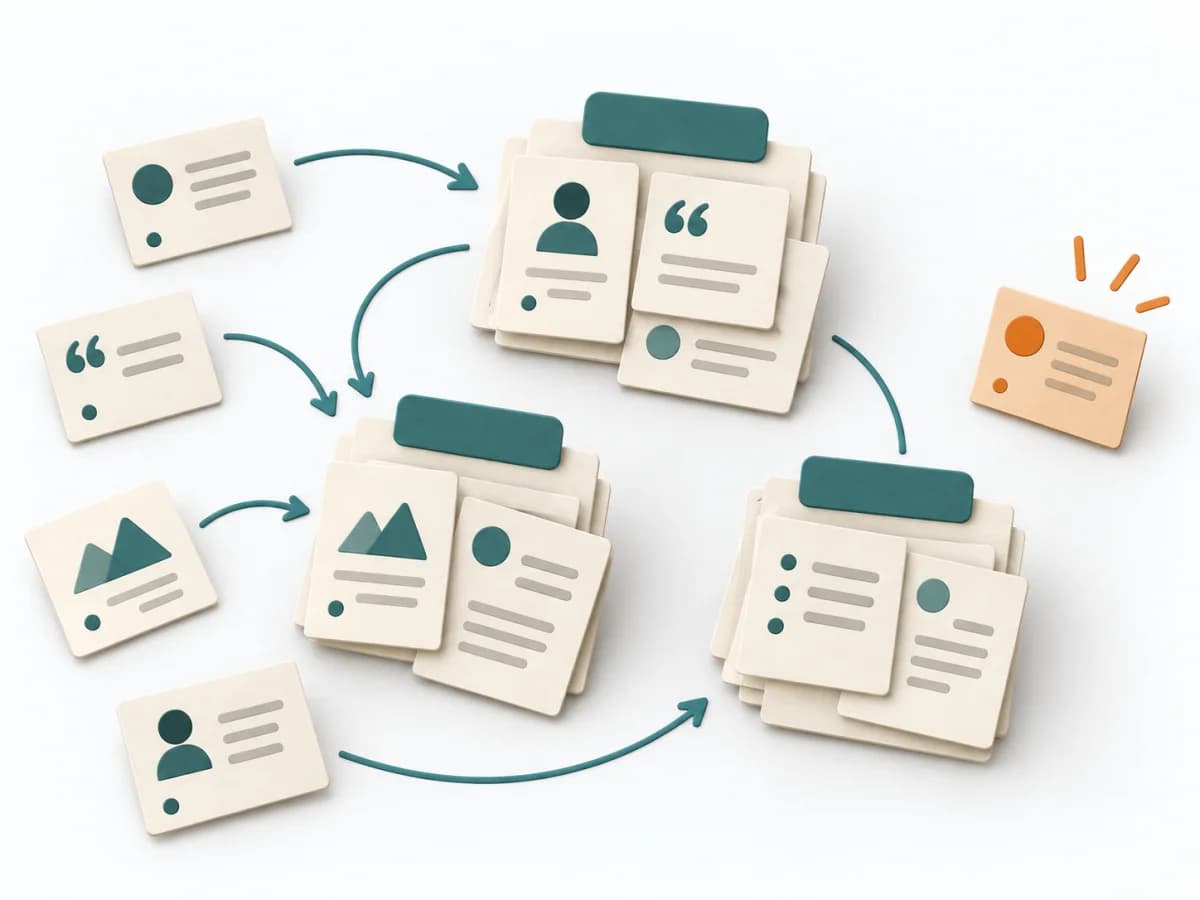
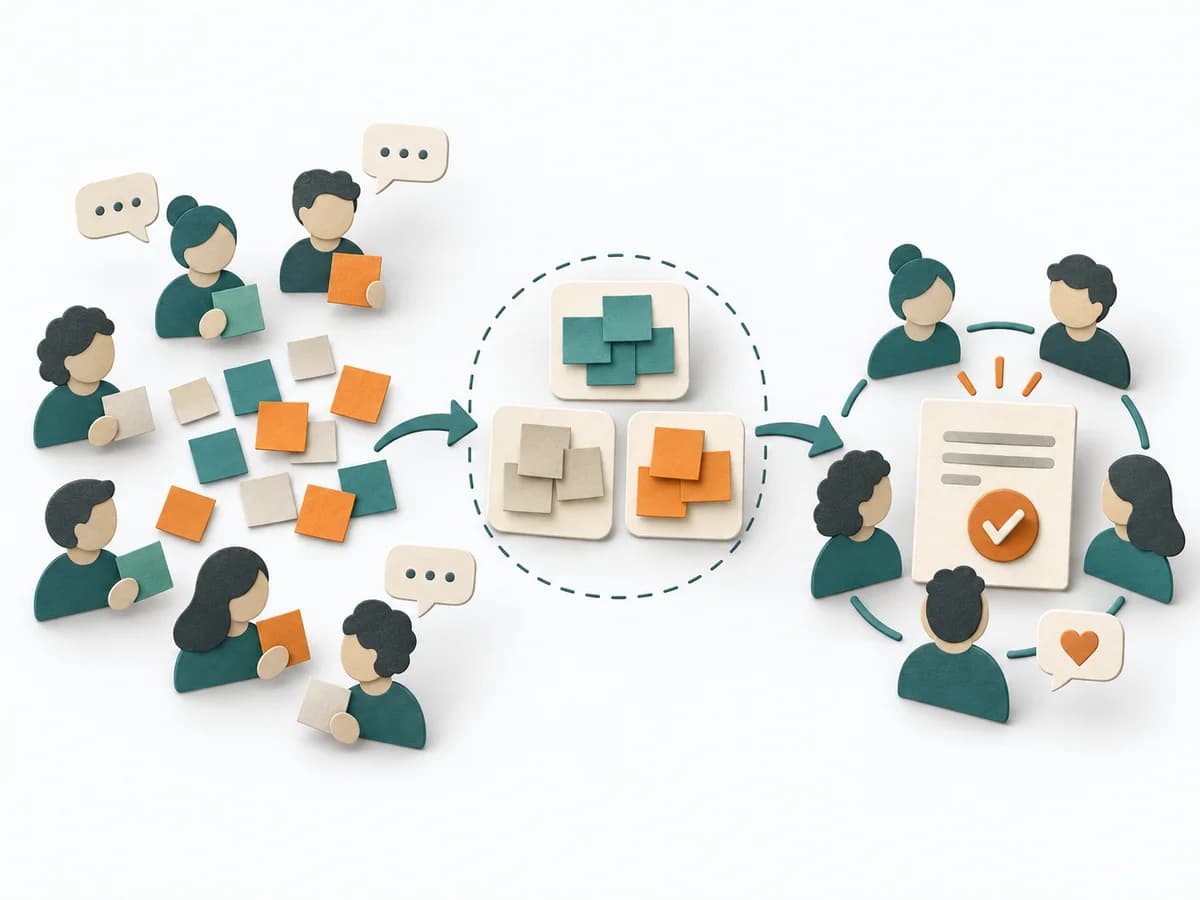
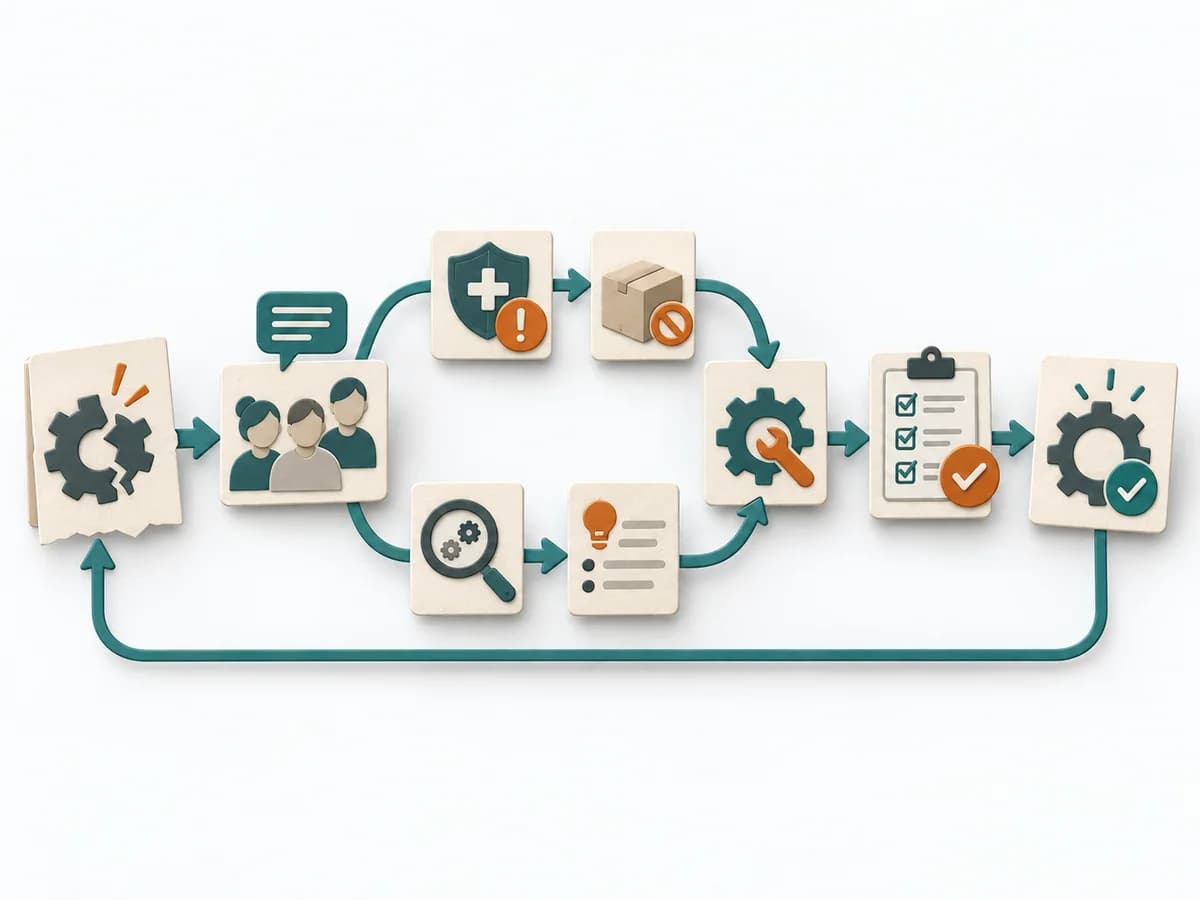
Purposedifferent | When a workshop has produced too many options and the group needs to condense quickly, dot voting makes preferences visible in a short time. It bundles individual votes into a solid signal for the next selection. | When a lot is assumed about a target group but little is seen jointly, empathy mapping makes knowledge and gaps directly comparable. The picture also shows which assumptions hold up and where evidence is missing. | In many problem situations, effect is distributed unequally across many causes. A Pareto Analysis separates the few drivers with high leverage from the long remainder and focuses attention on what measurably moves the needle. |
Complexitysame | Low | Low | Low |
Timedifferent | 5-15 min | 30–60 min | 30-60 min |
Participantsdifferent | 3-20 | 4-8 | 1-6 |
Formatdifferent | Workshop | Workshop | Workshop + async |
Outputdifferent | Ranked list, Consensus signal, Shortlist | Empathy Map, Assumptions List, Research Gaps | Pareto Chart, Top Causes, Focus List |
Tagsno overlap | FacilitationVotingConsensusPrioritization | SynthesisQualitativeWorkshop | PrioritizationQualityFocusRoot cause |
Often compared together
Methods with strong topical overlap with the current selection, not yet in the comparison.