View methods side by side.
Choose up to four methods. Add them using the search and share the comparison by copying its link.
| Criterion |  Knowledge Modeling Domain Storytelling | 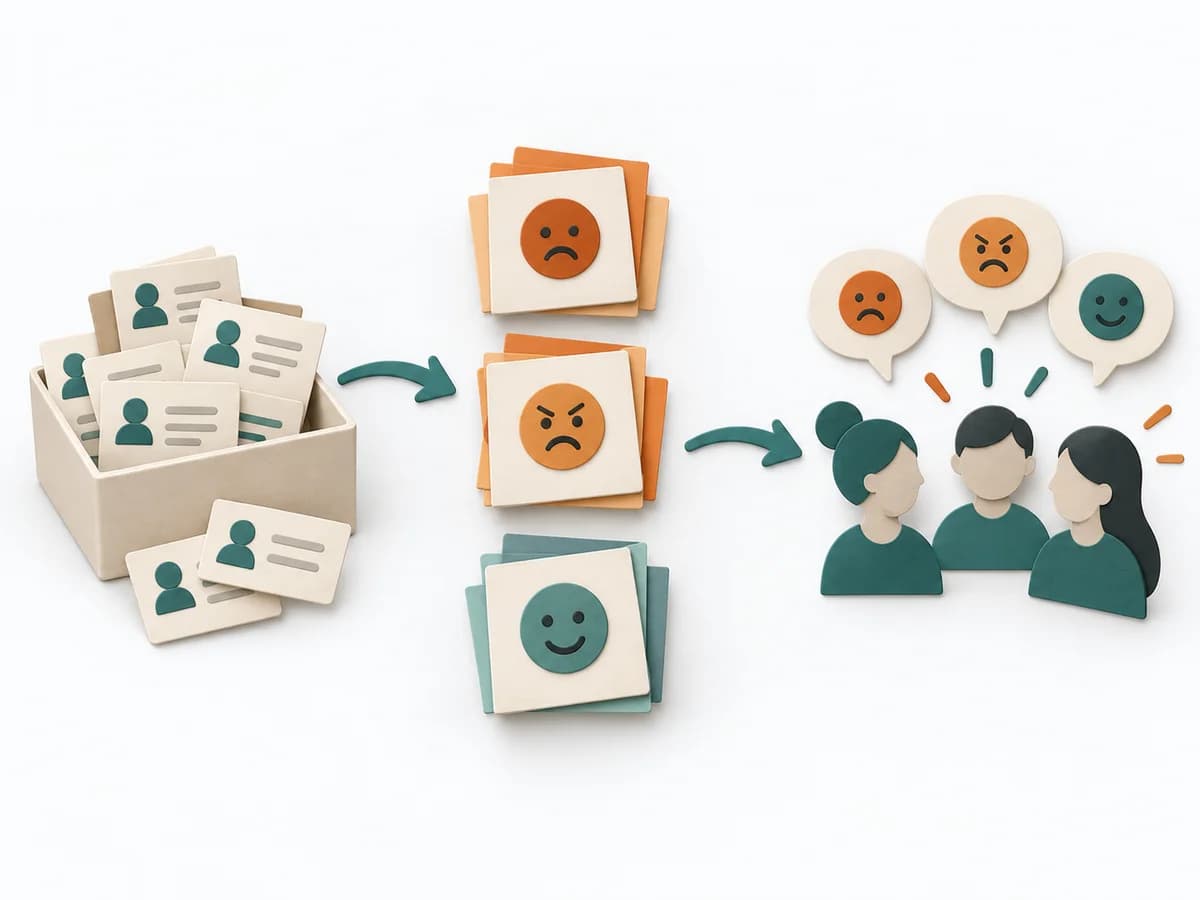 Agile Mad Sad Glad |  DevOps Blameless Postmortem | 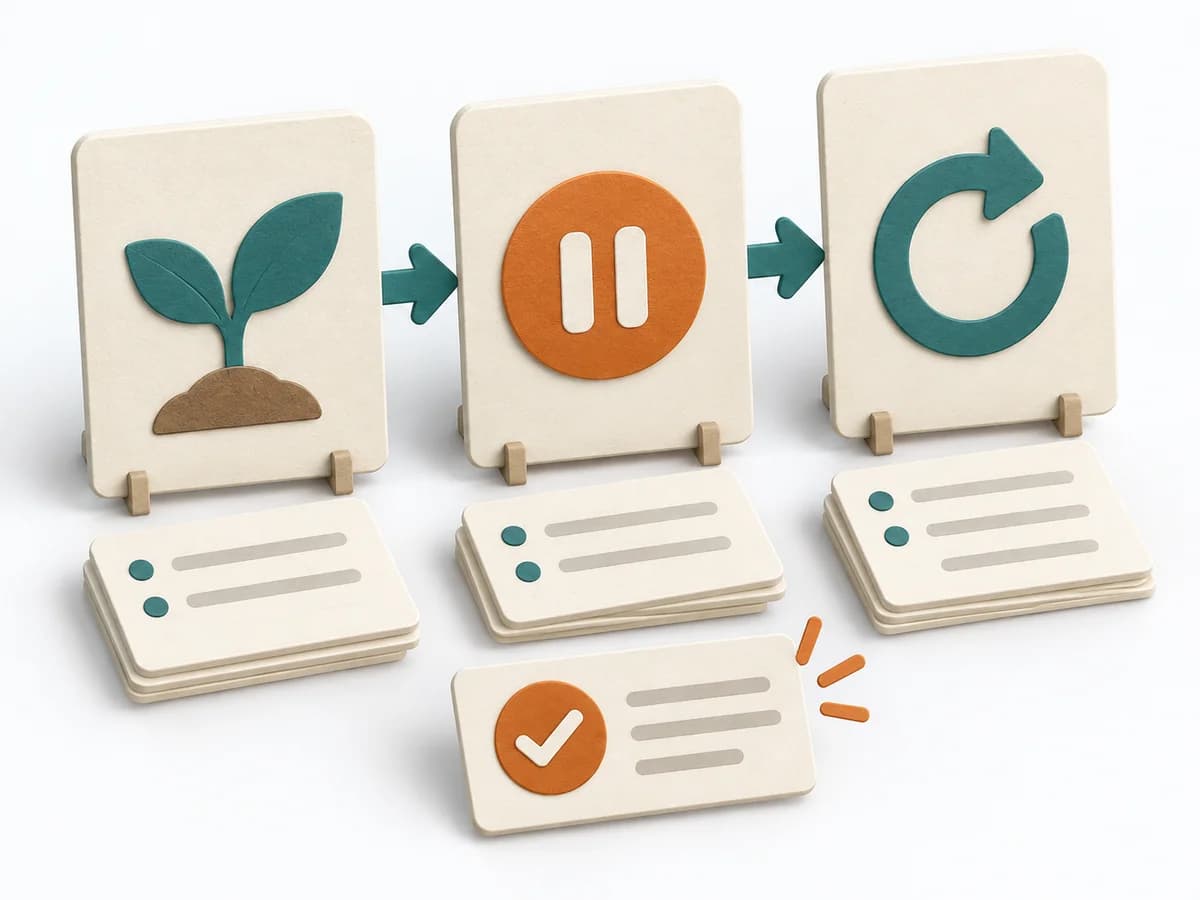 Agile Start Stop Continue |
|---|---|---|---|---|
Purposedifferent | Domain Storytelling translates domain knowledge into a shared narrative of actors, objects, and workflows. It is especially useful when language, rules, and process understanding must be tightly connected. | When a team's or workshop's mood needs to become readable, it structures emotional signals with little setup. It makes strain, relief, and sources of energy tangible. | After an incident with damage or a near miss, the method creates a sober field for learning without assigning blame. It directs attention to the course of events, conditions, and effective countermeasures. | When a team wants to deliberately adjust its working behavior, it makes habits visible and assessable. It focuses on concrete changes instead of diffuse mood. |
Complexitydifferent | Low | Low | Medium | Low |
Timedifferent | 1-2 h | 30-60 min | 30-90 min | 30-60 min |
Participantsdifferent | 2-8 | 3-10 | 3-12 | 3-12 |
Formatdifferent | Workshop | Workshop | Workshop + async | Workshop |
Outputdifferent | Domain Story, Glossary Notes, Process Narrative | Emotion Board, Themes, Action Items | Postmortem Doc, Action Items, Timeline | Start Stop Continue Board, Improvement Actions |
Tagsno overlap | KnowledgeDomain-Driven DesignProcess | RetrospectiveTeamReflection | Site Reliability EngineeringIncidentLearningReliability | RetrospectiveImprovementTeamReflection |