View methods side by side.
Choose up to four methods. Add them using the search and share the comparison by copying its link.
| Criterion |  Knowledge Modeling Domain Storytelling |  Operations Gemba Walk | 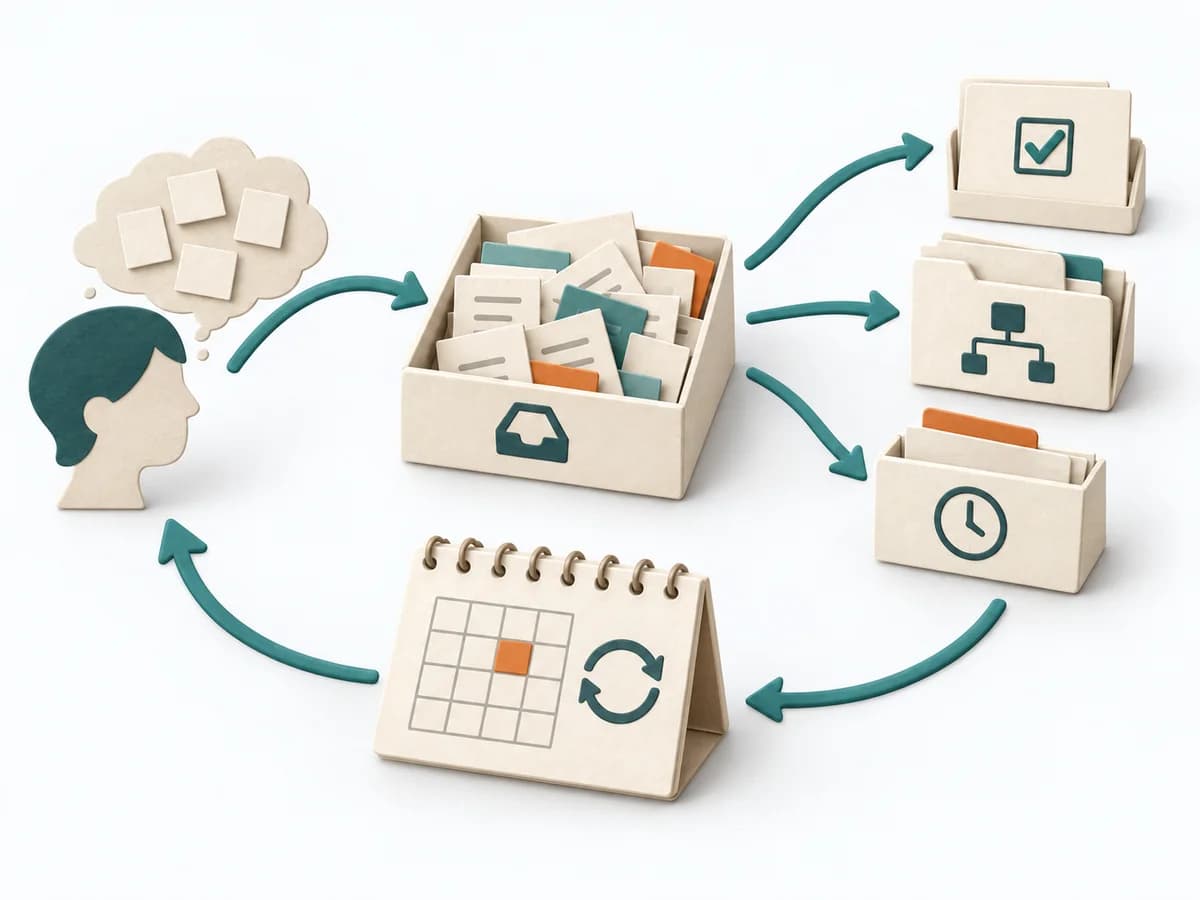 Operations Getting Things Done | 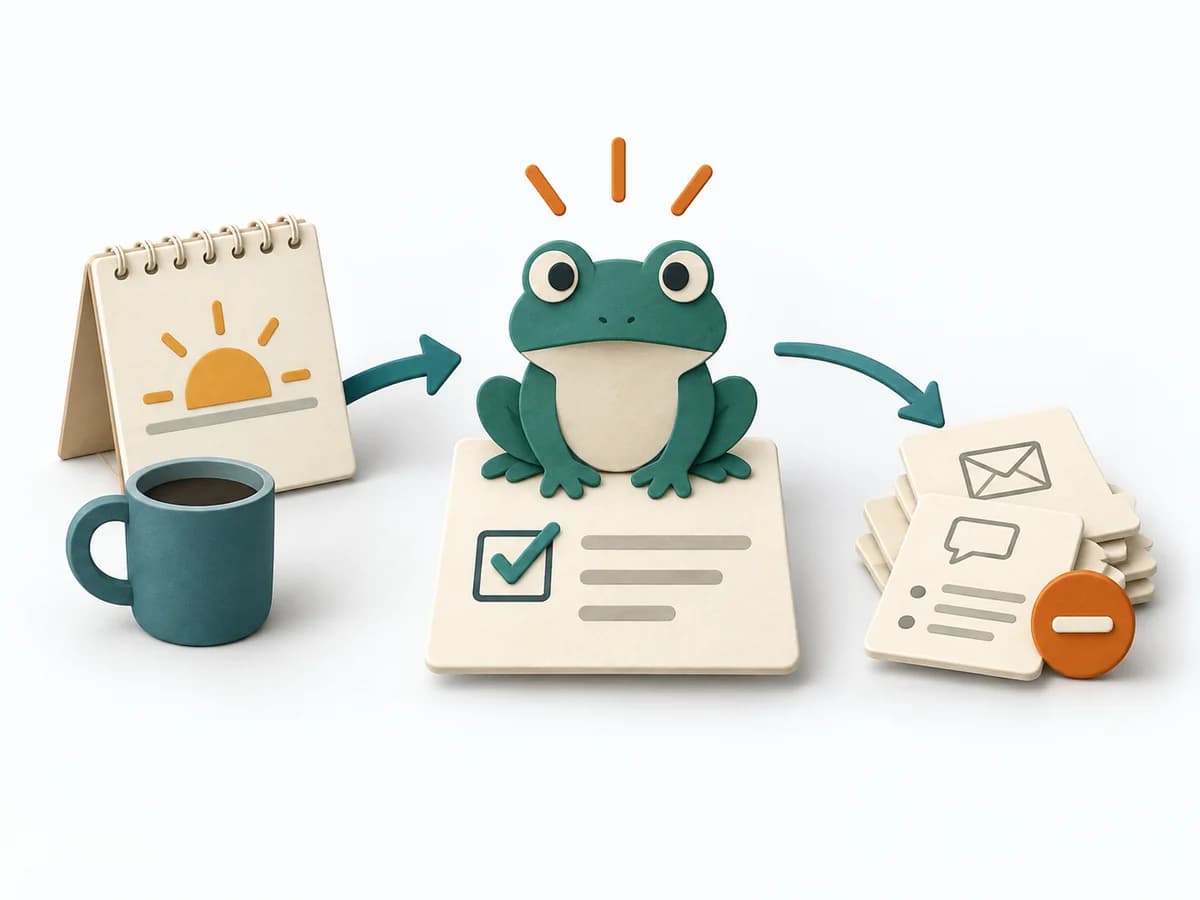 Operations Eat the Frog |
|---|---|---|---|---|
Purposedifferent | Domain Storytelling translates domain knowledge into a shared narrative of actors, objects, and workflows. It is especially useful when language, rules, and process understanding must be tightly connected. | When there is uncertainty about the real course of a process, the method brings observation to the place where work happens. It combines perception, follow-up questions, and process knowledge so decisions rest on actual workflows instead of assumptions. | With many open commitments and ideas in daily life, a reliable external storage system emerges. The method relieves the mind so priority and context don't have to compete in memory. | The method protects energy and attention for the task that creates the largest progress and is often postponed. |
Complexitydifferent | Low | Low | Medium | Low |
Timedifferent | 1-2 h | 30-120 min | 1-2 h Setup, laufend | 15-90 min daily |
Participantsdifferent | 2-8 | 2-6 | 1 | 1 |
Formatdifferent | Workshop | Workshop | Async | Async |
Outputdifferent | Domain Story, Glossary Notes, Process Narrative | Observation Notes, Improvement Ideas | Action Lists, Project List, Review Routine | Priority Task, Completion Note, Daily Focus |
Tagsno overlap | KnowledgeDomain-Driven DesignProcess | LeanObservationProcessOperations | ProductivityPlanningTasksExecution | PrioritizationProductivityFocusExecution |