View methods side by side.
Choose up to four methods. Add them using the search and share the comparison by copying its link.
| Criterion | 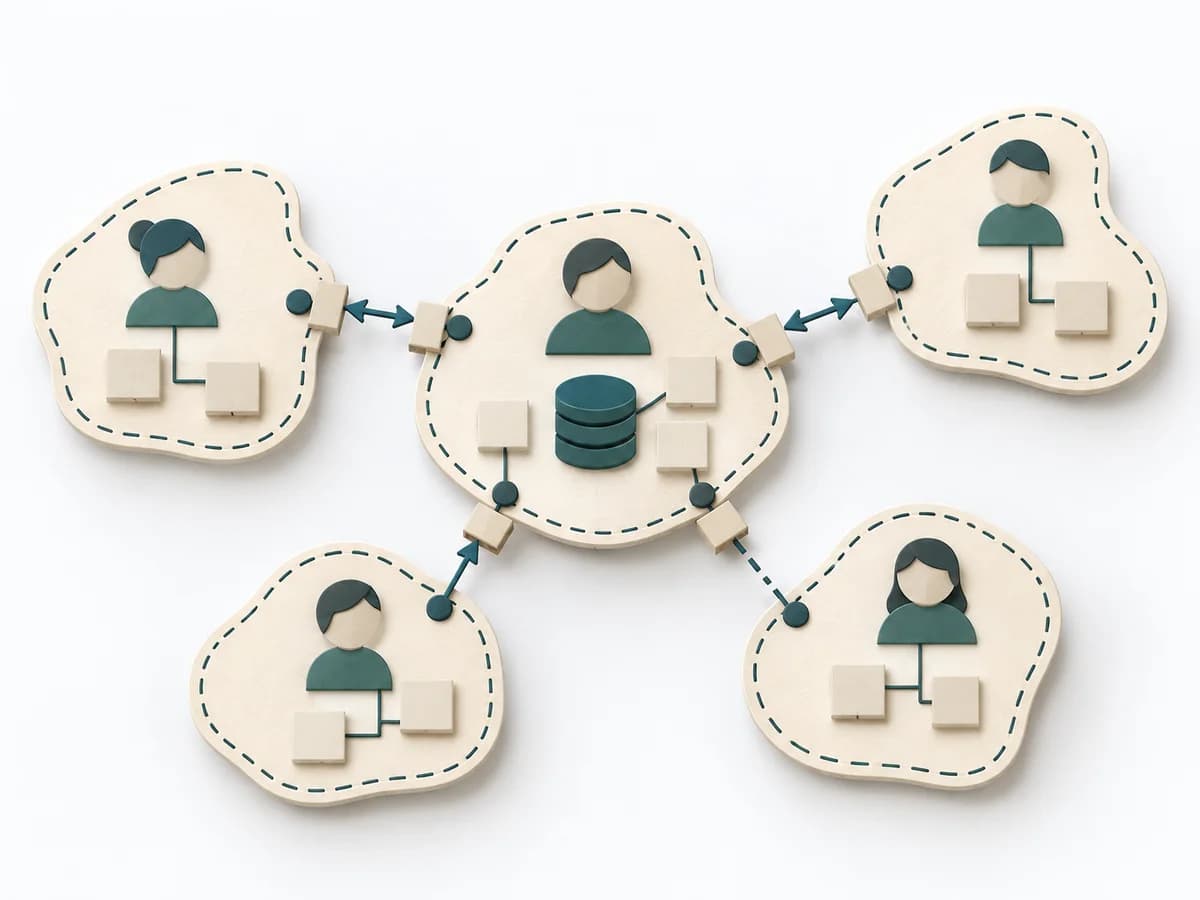 Domain Modeling Domain Context Map | 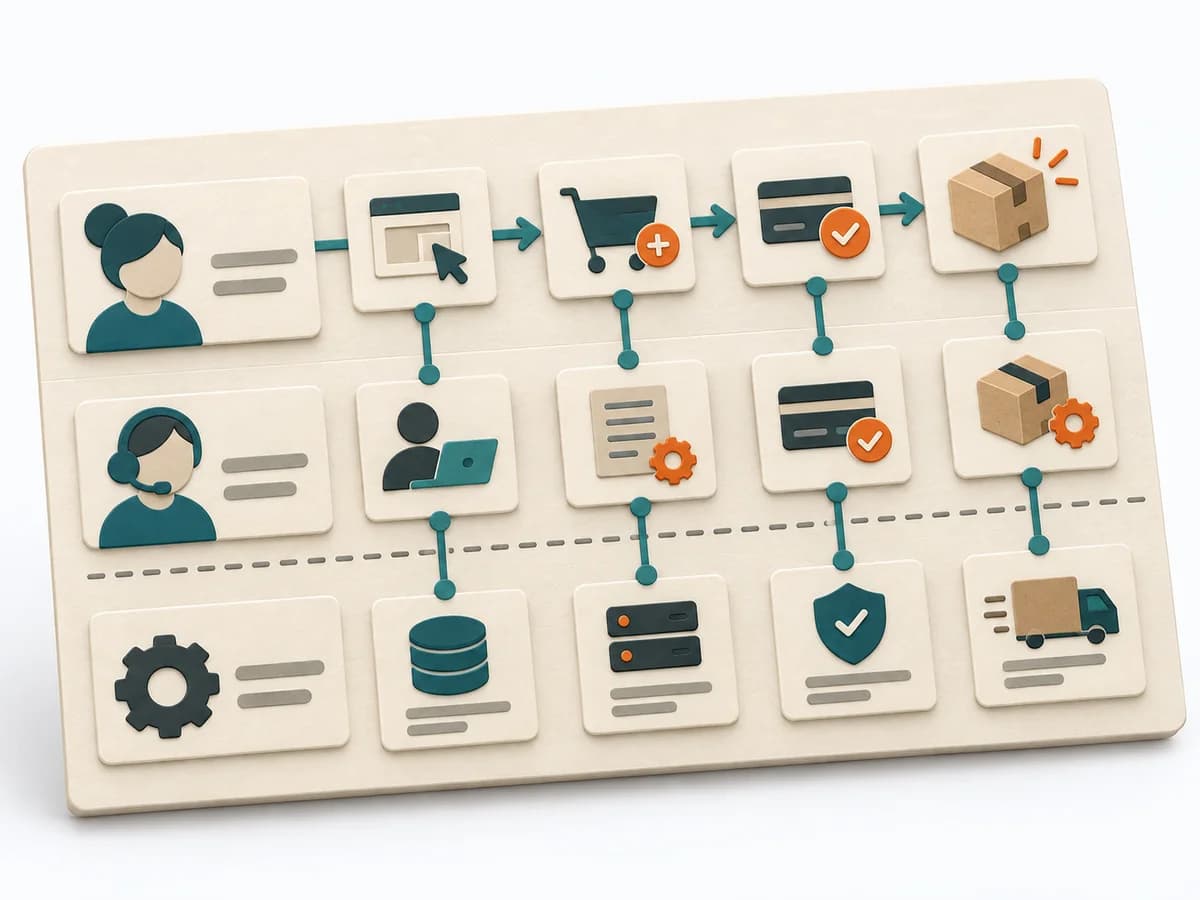 UX Design Service Blueprinting |  Knowledge Modeling Event Modeling | 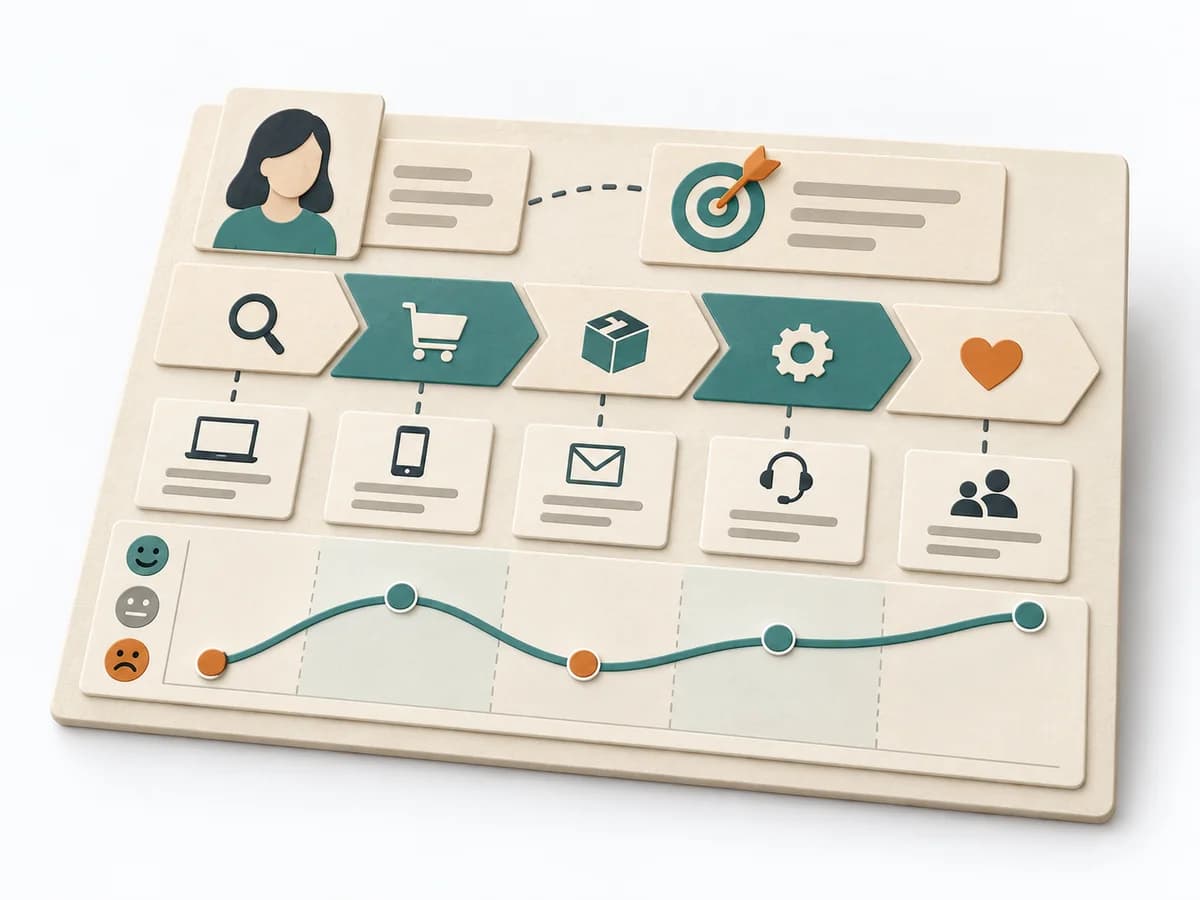 UX Design Customer Journey Canvas |
|---|---|---|---|---|
Purposedifferent | When a domain model and its associated contexts need to be thought through together, it creates a shared overview. It connects the business view and organizational boundary into a readable whole. | When a service experience is spread across several touchpoints, it brings frontstage and backstage together. It shows where user contact and internal responsibility must fit. | Event Modeling connects business workflows with commands, events, and views into one coherent mental model. It helps design behavior, UI, and technical slices from the same underlying logic. | When a journey needs to be understood across several phases, it arranges experience, touchpoints, and opportunities into one picture. It makes gaps and friction along the user path clear. |
Complexitydifferent | Medium | High | Medium | Medium |
Timedifferent | 1-3 h | 0.5-2 Tage | 2-6 h | 1-3 h |
Participantsdifferent | 3-10 | 6-12 | 2-8 | 3-10 |
Formatdifferent | Workshop | Workshop | Workshop + async | Workshop |
Outputdifferent | Domain Context Map, Boundary Notes, Ownership Map | Service Blueprint, Fail Points, Ownership Map | Event Model, UI Flow, Commands, Read Models | Customer Journey Canvas, Pain Points, Experience Opportunities |
Tagsno overlap | Domain-Driven DesignContextBoundaries | Service designOperationsJourneyBlueprint | EventsBlueprintDomain-Driven DesignBehavior | JourneyCustomerService designCanvas |