View methods side by side.
Choose up to four methods. Add them using the search and share the comparison by copying its link.
| Criterion | 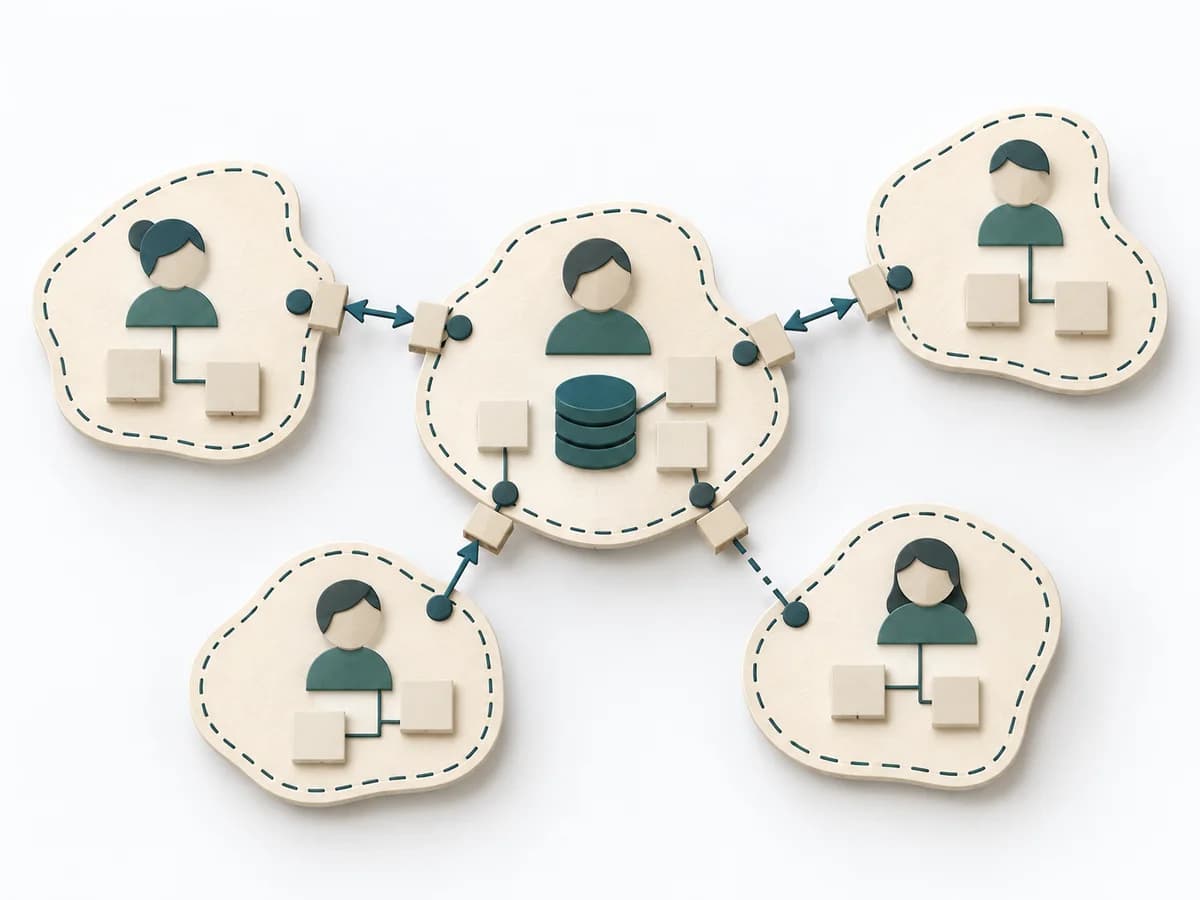 Domain Modeling Domain Context Map | 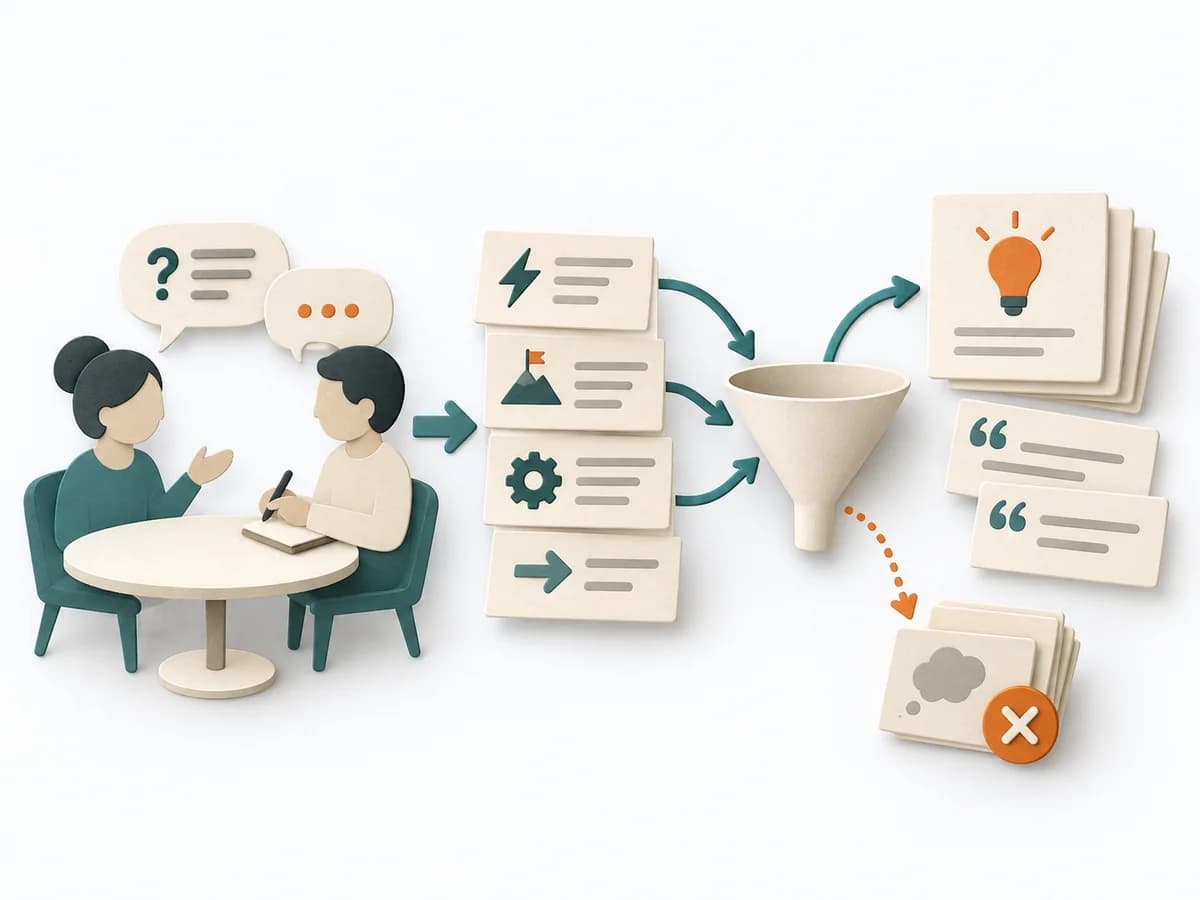 Product Discovery Opportunity Interview | 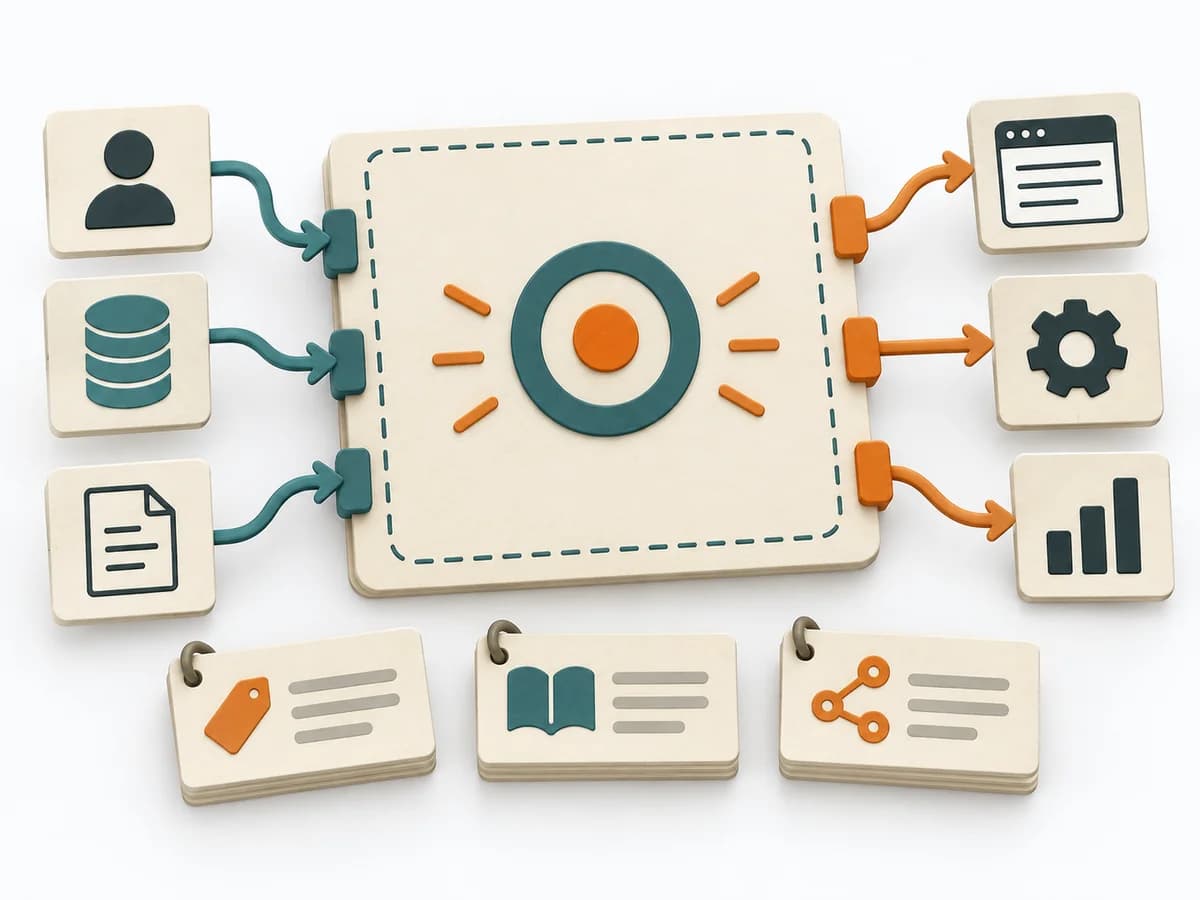 Domain Modeling Bounded Context Canvas | 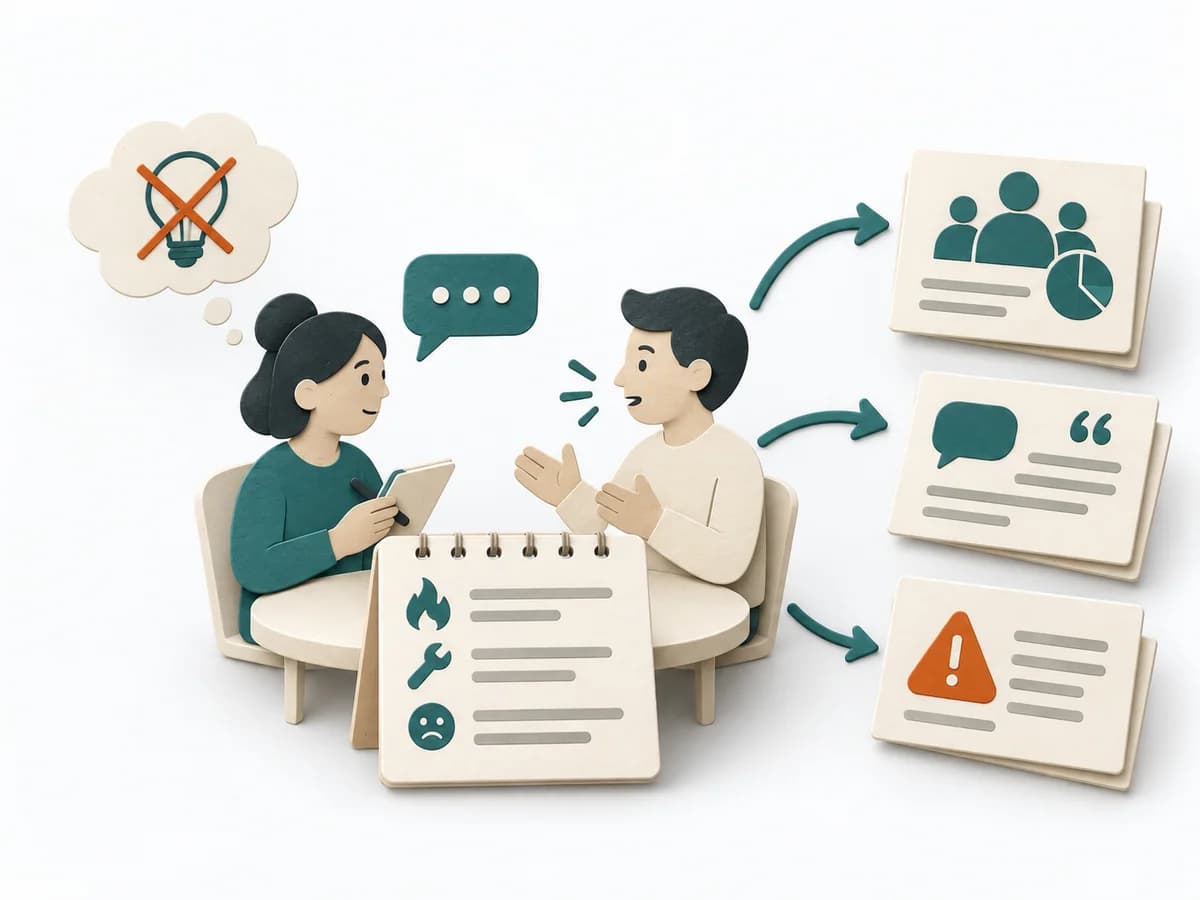 Product Discovery Problem Interview |
|---|---|---|---|---|
Purposedifferent | When a domain model and its associated contexts need to be thought through together, it creates a shared overview. It connects the business view and organizational boundary into a readable whole. | When opportunities are still hidden behind signals of need, it structures conversations around needs and obstacles. It looks for patterns that lead to new product opportunities. | When a business context is still loosely outlined, it shapes language, responsibility, and integration space. It clarifies what belongs together and where a boundary needs to hold. | When the picture of the problem still needs to become solid, it asks about real situations and consequences. It separates genuine suffering from mere interest in a solution. |
Complexitysame | Medium | Medium | Medium | Medium |
Timedifferent | 1-3 h | 30-60 min je Interview | 1-3 h | 30-60 min je Interview |
Participantsdifferent | 3-10 | 5-12 Interviews | 3-8 | 5-12 Interviews |
Formatdifferent | Workshop | Workshop + async | Workshop + async | Workshop + async |
Outputdifferent | Domain Context Map, Boundary Notes, Ownership Map | Interview Notes, Opportunity Themes, Customer Quotes | Context Canvas, Glossary, Integration Notes | Problem Evidence, Risk Notes, Customer Segments |
Tagsno overlap | Domain-Driven DesignContextBoundaries | DiscoveryInterviewsOpportunityCustomer | Domain-Driven DesignBoundariesModeling | DiscoveryInterviewsValidation |