View methods side by side.
Choose up to four methods. Add them using the search and share the comparison by copying its link.
| Criterion | 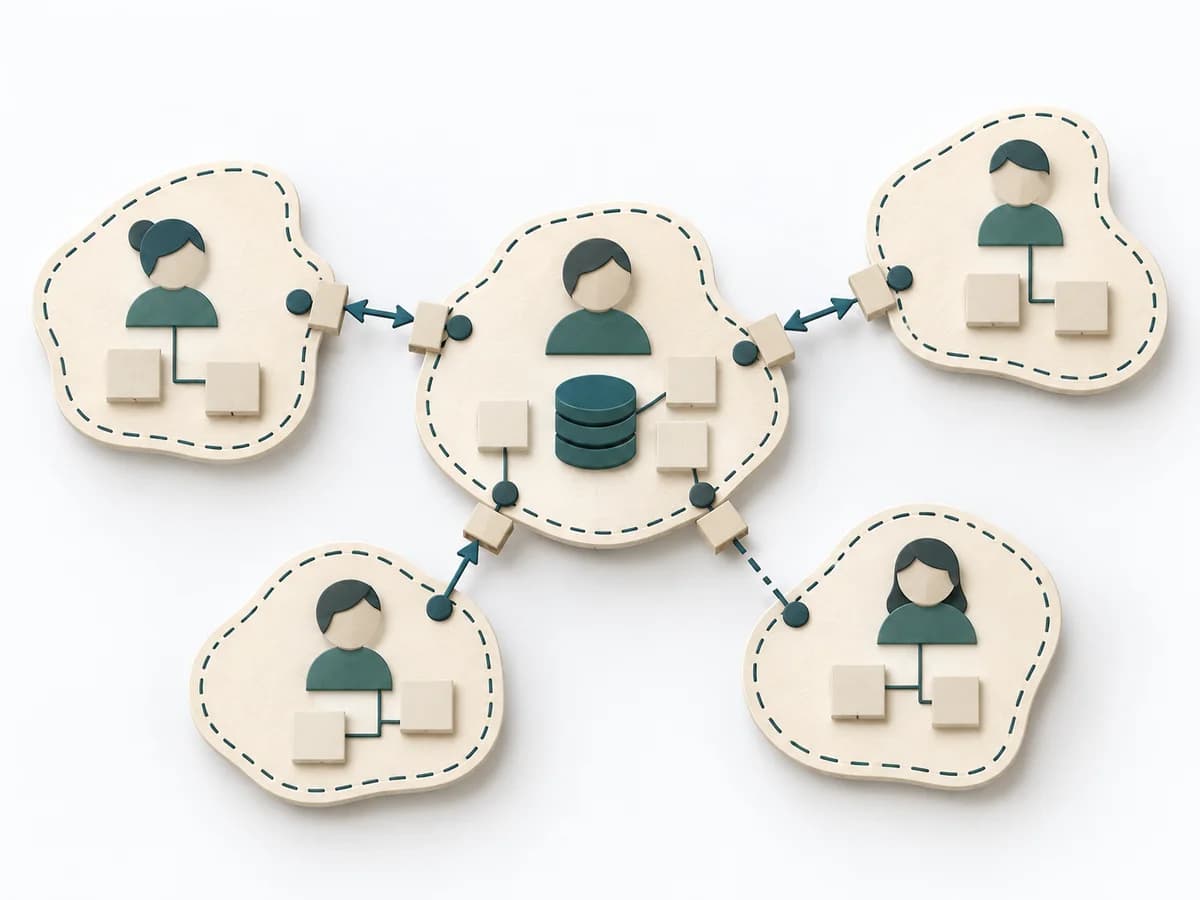 Domain Modeling Domain Context Map | 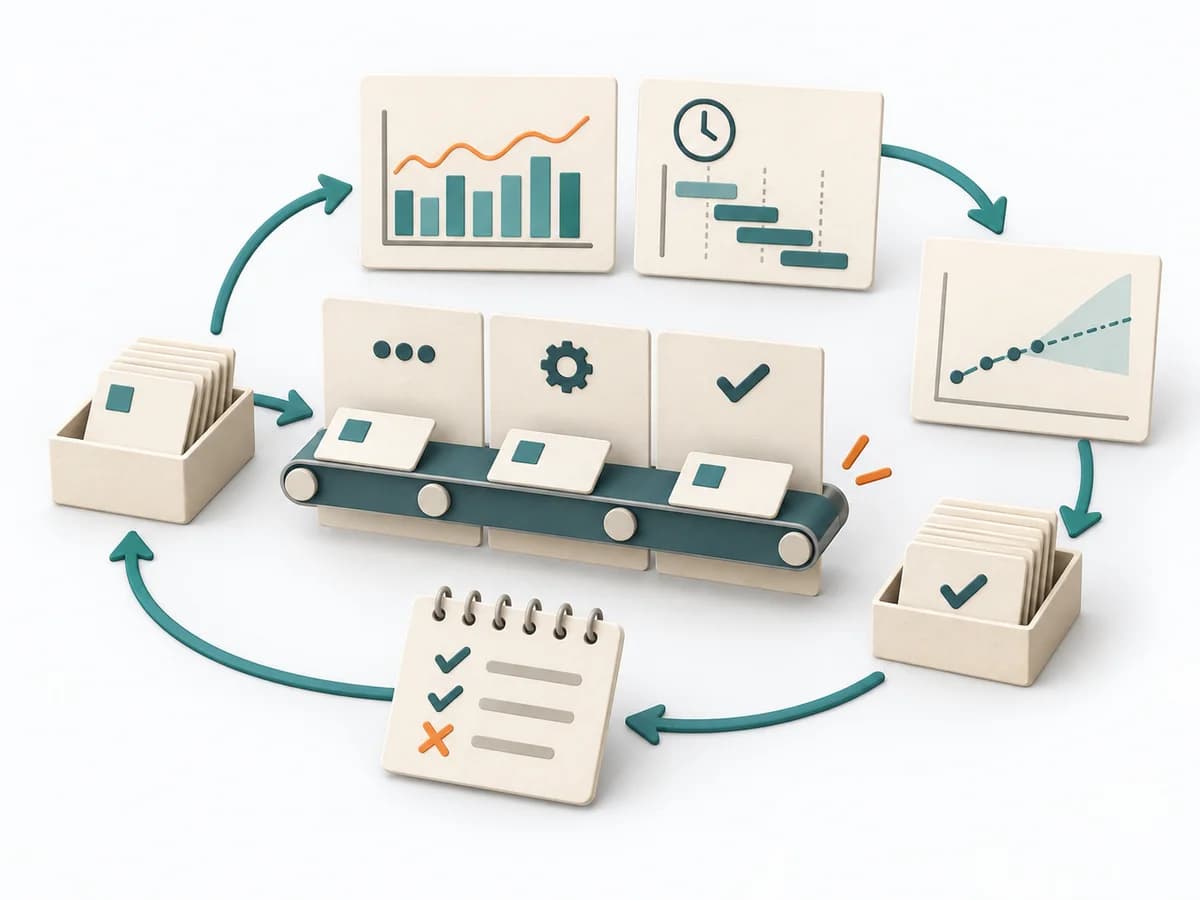 Agile NoEstimates | 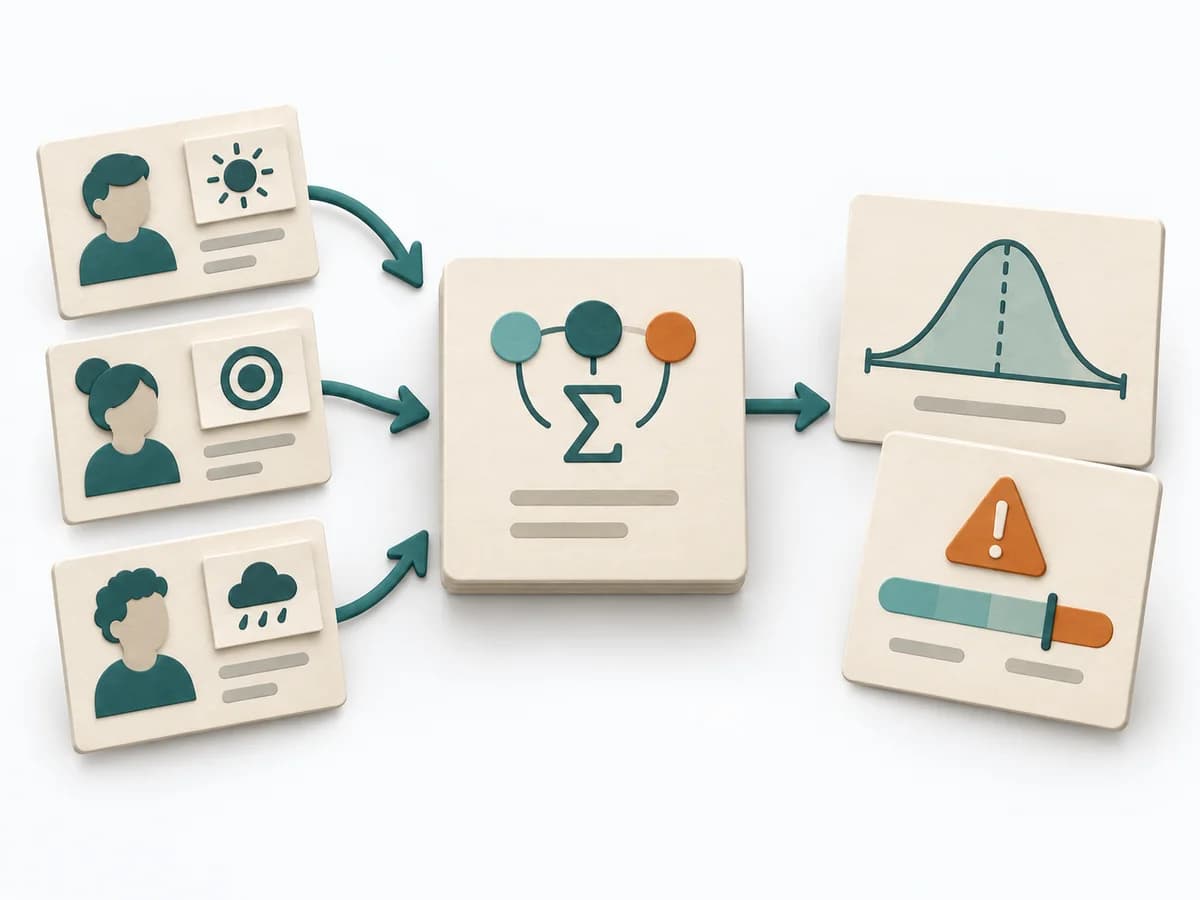 Decision Making PERT Estimation | 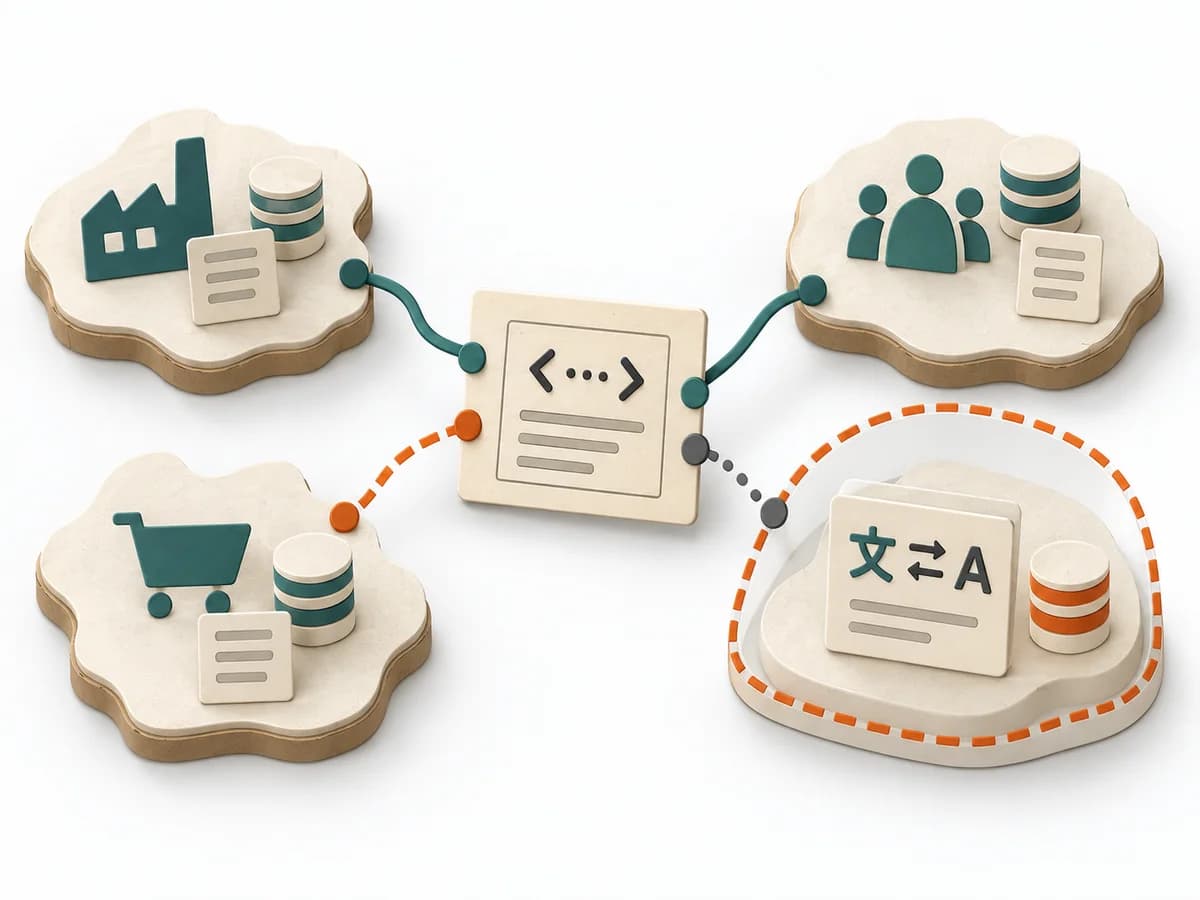 Domain Modeling Context Map |
|---|---|---|---|---|
Purposedifferent | When a domain model and its associated contexts need to be thought through together, it creates a shared overview. It connects the business view and organizational boundary into a readable whole. | When estimating slows a team down more than it helps, it shifts the focus to flow, small slices, and real lead time. It sorts work by value, risk, and delivery ability. The result is captured as Throughput Data, Flow Forecast, and Slicing Rules. | On complex initiatives, a plain average tends to understate just how uncertain the outcome really is. It separates options, evaluation criteria, and open risks. The result is captured as a PERT Estimate, Expected Value, and Risk Notes. | When several contexts need to talk to each other, it makes their relationships and dependencies legible. It helps sort integration pressure and responsibilities across system boundaries. |
Complexitysame | Medium | Medium | Medium | Medium |
Timedifferent | 1-3 h | laufend | 15-45 min | 1-3 h |
Participantsdifferent | 3-10 | 2-12 | 1-8 | 2-8 |
Formatdifferent | Workshop | Workshop + async | Workshop + async | Workshop + async |
Outputdifferent | Domain Context Map, Boundary Notes, Ownership Map | Throughput Data, Flow Forecast, Slicing Rules | PERT Estimate, Expected Value, Risk Notes | Context Map, Integration Patterns, Boundary Notes |
Tagsno overlap | Domain-Driven DesignContextBoundaries | EstimationForecastingFlow | EstimationUncertaintyRisk | Domain-Driven DesignBoundariesStrategy |