View methods side by side.
Choose up to four methods. Add them using the search and share the comparison by copying its link.
| Criterion | 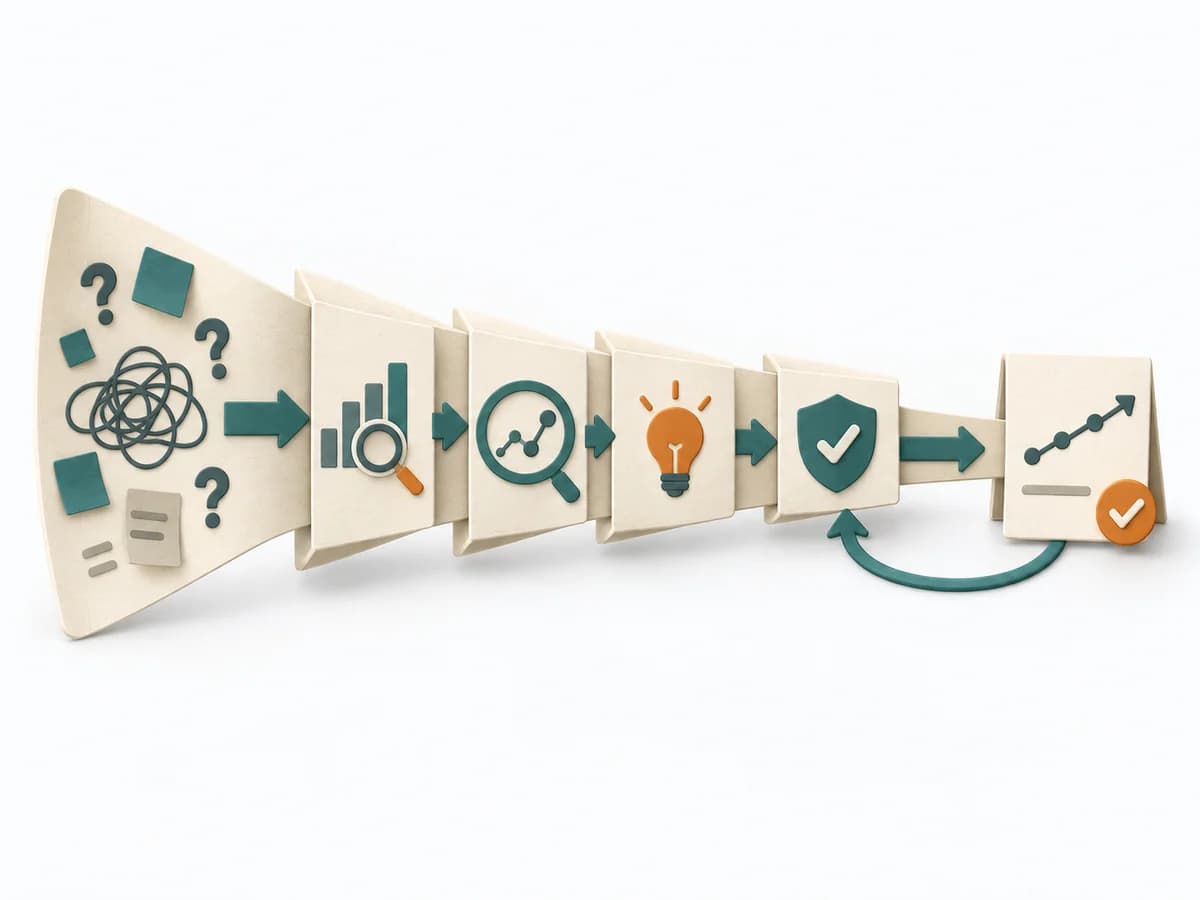 Operations DMAIC |  Facilitation Alignment Mapping | 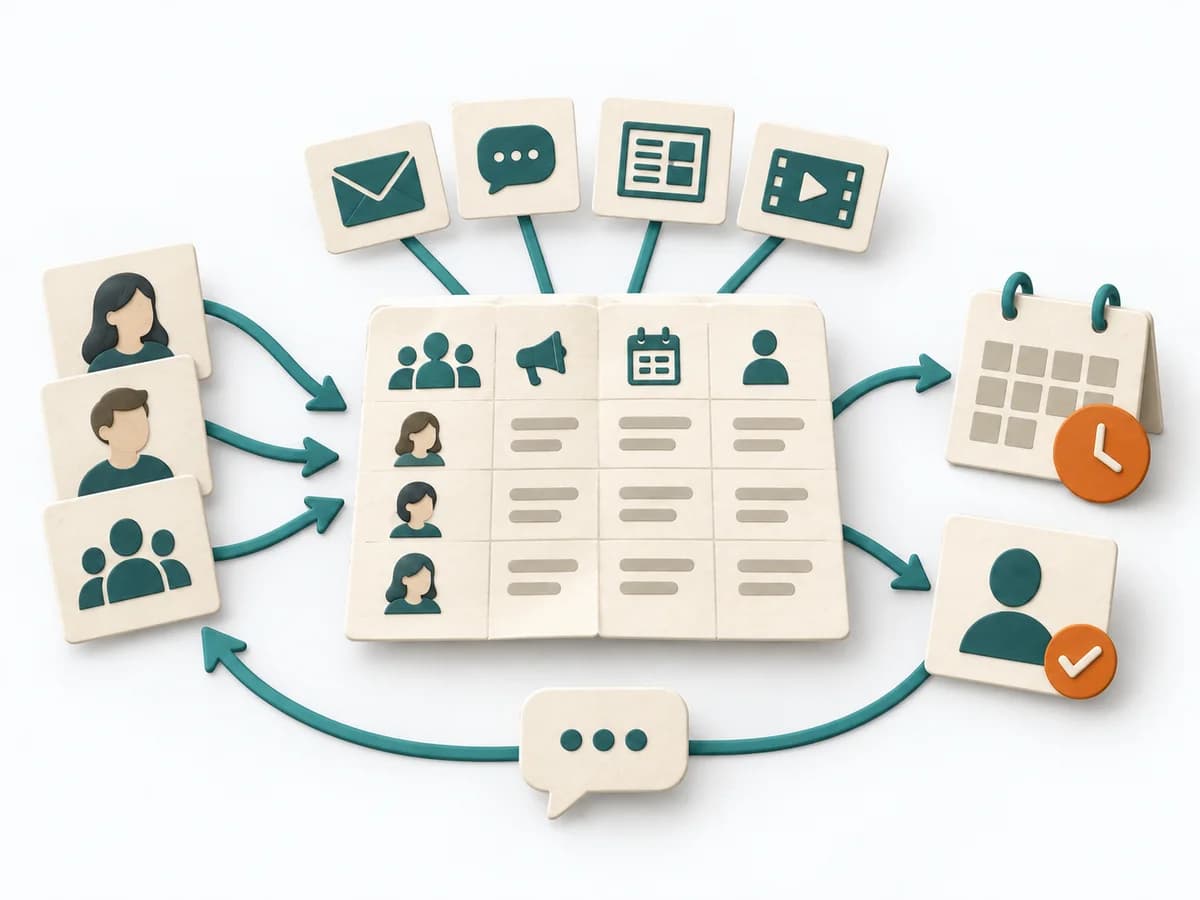 Delivery Communication Plan |  Facilitation Stakeholder Salience Model |
|---|---|---|---|---|
Purposedifferent | For a process problem with fluctuating performance, the method brings analysis and improvement into a disciplined sequence. It creates a framework in which numbers, causes, and control come together. | When several people work toward one goal but hold different mental maps, Alignment Mapping makes the discrepancies visible. It arranges goals, assumptions, and priorities so shared direction becomes verifiable. | When many people need to be informed in parallel and messages would otherwise arrive unevenly or too late, a Communication Plan orders communication reliably. Channels, audiences, and cadences interlock so important information doesn't get lost. | When stakeholders appear to matter very differently, the Stakeholder Salience Model rates their actual priority through power, legitimacy, and urgency. It turns individual contributions into a visible selection. The result is captured as a Salience diagram and a class-based strategy. |
Complexitydifferent | High | Medium | Low | Medium |
Timedifferent | 2-12 Wochen | 1-2 h | 45-90 min | 60-90 min |
Participantsdifferent | 3-10 | 4-12 | 2-6 | 3-6 |
Formatdifferent | Workshop + async | Workshop | Workshop + async | Workshop |
Outputdifferent | Project Charter, Measurement Plan, Cause Analysis, Control Plan | Alignment Map, Open Issues, Decision Questions | Communication Plan, Channel Matrix, Message Cadence | Salience Diagram, Strategy per Class |
Tagsno overlap | Continuous improvementQualityProcess improvement | AlignmentStakeholdersStrategyFacilitation | CommunicationStakeholdersDeliveryPlanning | StakeholdersFacilitationAlignmentGovernance |