View methods side by side.
Choose up to four methods. Add them using the search and share the comparison by copying its link.
| Criterion |  Product Strategy DIBB | 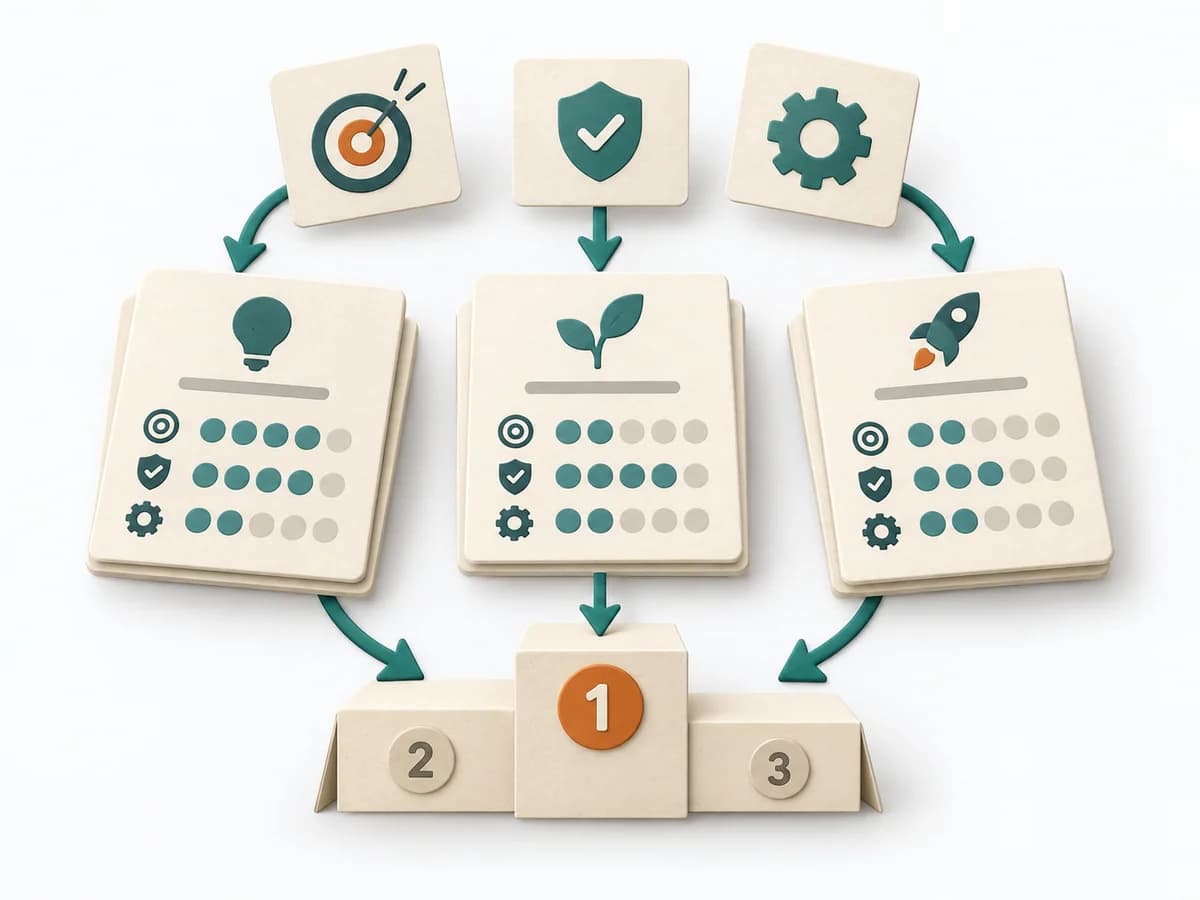 Product Strategy ICE Scoring | 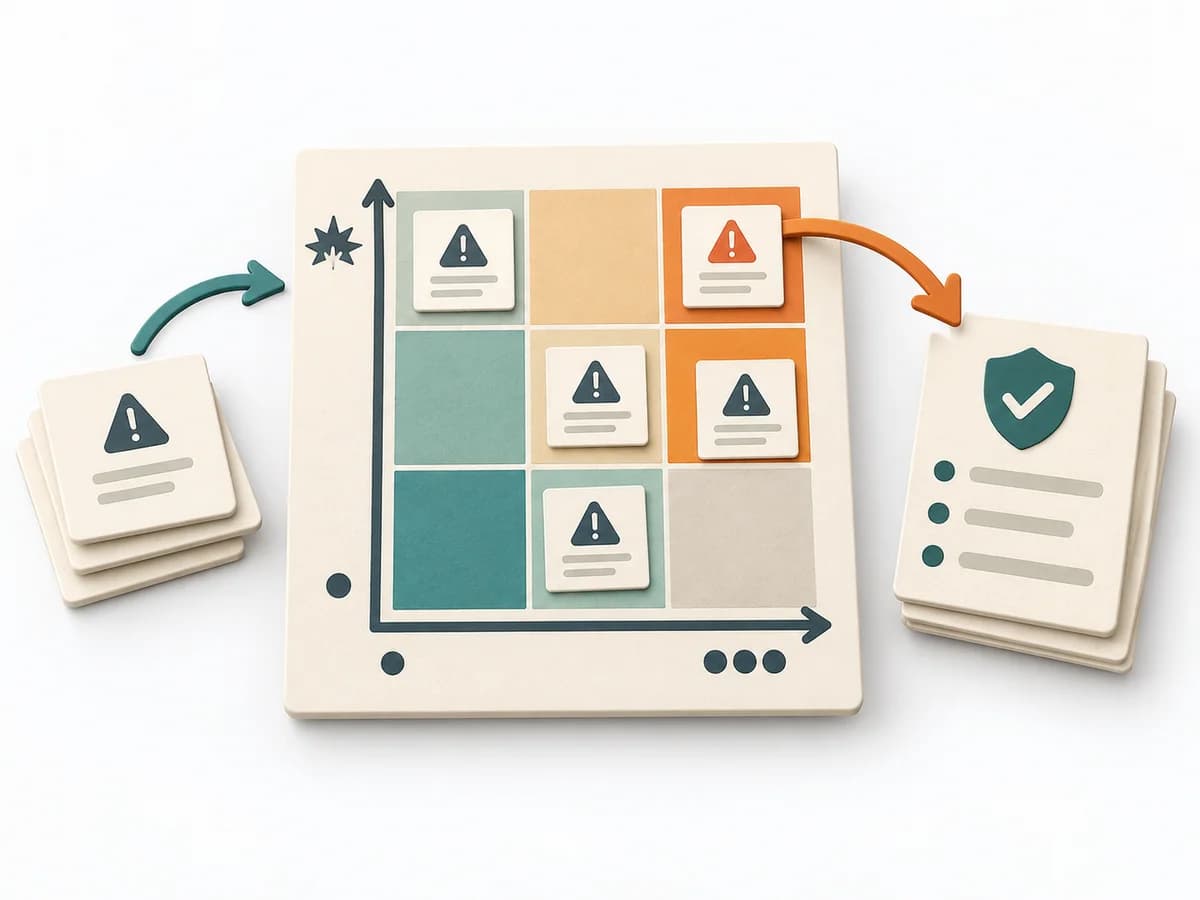 Decision Making Risk Matrix | 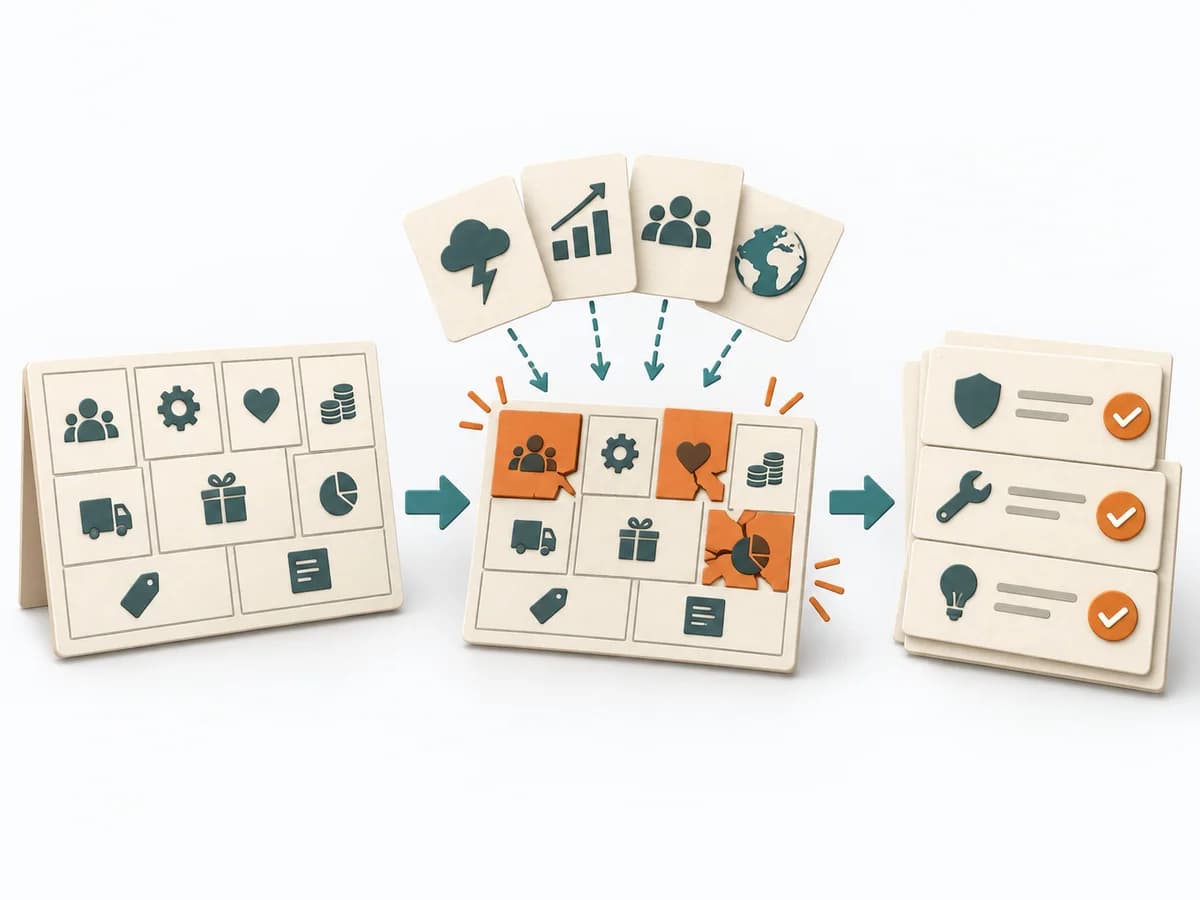 Business Strategy Business Model Stress Test |
|---|---|---|---|---|
Purposedifferent | DIBB helps clarify target groups, value, goals, and priorities by making the logic behind a decision explicit. It captures results as a DIBB document, belief list, bet list, and learning report. | When ideas need sorting quickly, it condenses impact, confidence, and effort into one compact score. It connects customer value, product logic, and decision priorities. The result is captured as an ICE table and top-ideas list. | When a project faces many possible disruptions, it quickly becomes unclear which risks deserve attention first. It separates options, evaluation criteria, and open risks. The result is captured as a Risk Matrix and a Top Risk List. | A Business Model Stress Test checks how well a business model holds up under pressure and headwinds. It compares strengths, risks, market logic, and courses of action. The result is captured as a stress-test report and action plan per scenario. |
Complexitydifferent | Low | Low | Low | High |
Timedifferent | 1-2 h | 30-60 min | 30-60 min | Half day |
Participantsdifferent | 2-8 | 2-8 | 3-10 | 3-8 |
Formatdifferent | Workshop + async | Workshop + async | Workshop + async | Workshop |
Outputdifferent | DIBB document, Belief list, Bet list, Learning report | ICE Table, Top Idea List | Risk Matrix, Top Risk List | Stress Test Report, Action Plan per Scenario |
Tagsno overlap | StrategyDecisionAssumptionsHypothesis | PrioritizationScoringGrowthDecision | RiskDecisionPrioritizationAssessment | StrategyBusiness modelRiskDiagnosis |