View methods side by side.
Choose up to four methods. Add them using the search and share the comparison by copying its link.
| Criterion |  UX Research Diary Study | 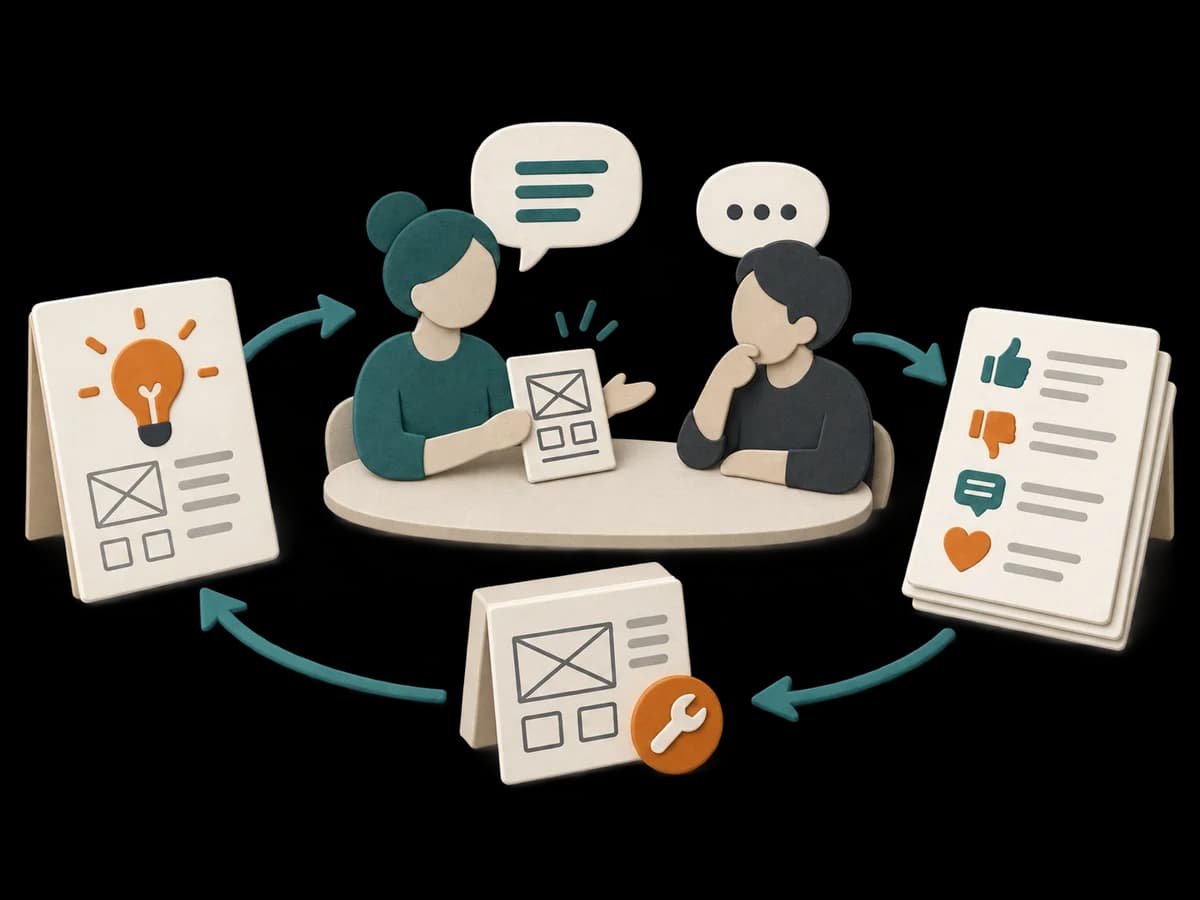 Product Discovery Solution Interview | 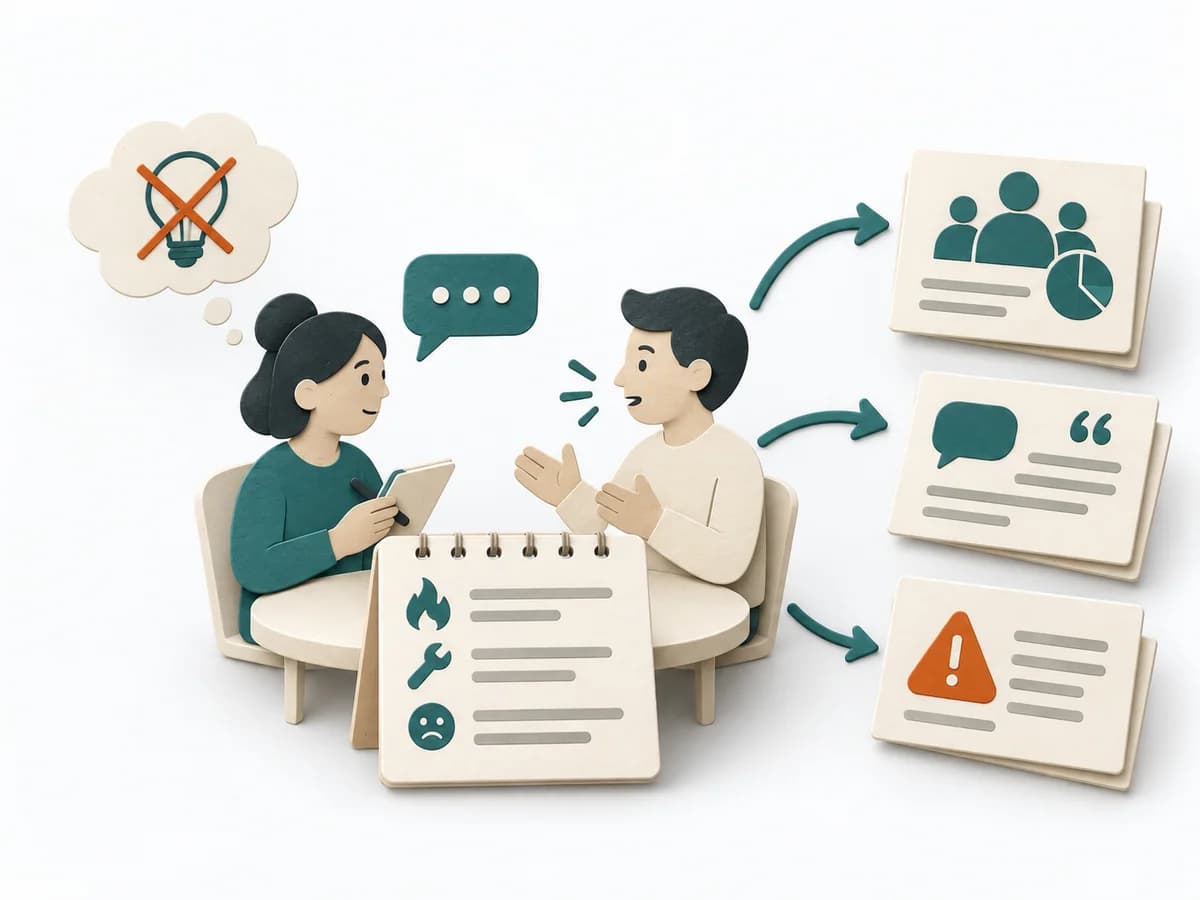 Product Discovery Problem Interview | 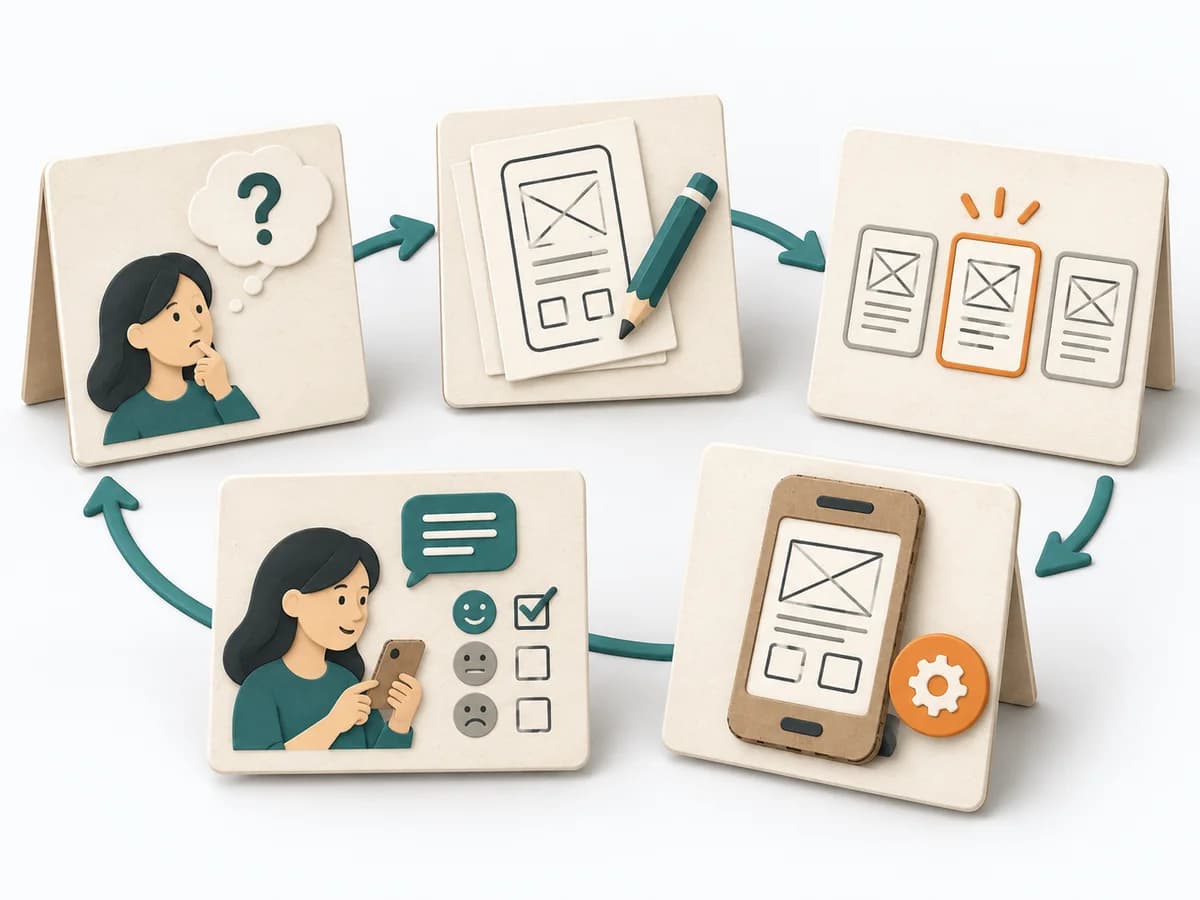 Innovation Design Sprint |
|---|---|---|---|---|
Purposedifferent | When experiences build up over days or weeks and a single session cannot capture them, Diary Study records the course of everyday life. Recurring triggers, moods, and habits become visible this way, beyond the sharpness of memory. | When a solution idea is already on the table, it checks how it is understood and evaluated. It looks for resonance, objections, and missing fit early in the conversation. | When the picture of the problem still needs to become solid, it asks about real situations and consequences. It separates genuine suffering from mere interest in a solution. | When the product question is unclear and time pressure is high, the method takes a team from an open idea to a testable solution. It connects problem understanding, decision, and learning in one compact format, lowering the risk of spending a lot of energy on a mere guess. |
Complexitydifferent | Medium | Medium | Medium | High |
Timedifferent | 1-4 Wochen | 30-60 min je Interview | 30-60 min je Interview | 4-5 Tage |
Participantsdifferent | 5-20 | 5-10 Interviews | 5-12 Interviews | 5-8 |
Formatdifferent | Async | Workshop + async | Workshop + async | Workshop |
Outputdifferent | Diary Entries, Longitudinal Patterns, Experience Timeline | Solution Feedback, Objection List, Validation Notes | Problem Evidence, Risk Notes, Customer Segments | Prototype, Test Findings, Decision Rationale |
Tagsno overlap | UX researchTrackingBehavior | ValidationInterviewsPrototype | DiscoveryInterviewsValidation | Design sprintPrototypeValidationInnovation |