View methods side by side.
Choose up to four methods. Add them using the search and share the comparison by copying its link.
| Criterion |  UX Research Diary Study | 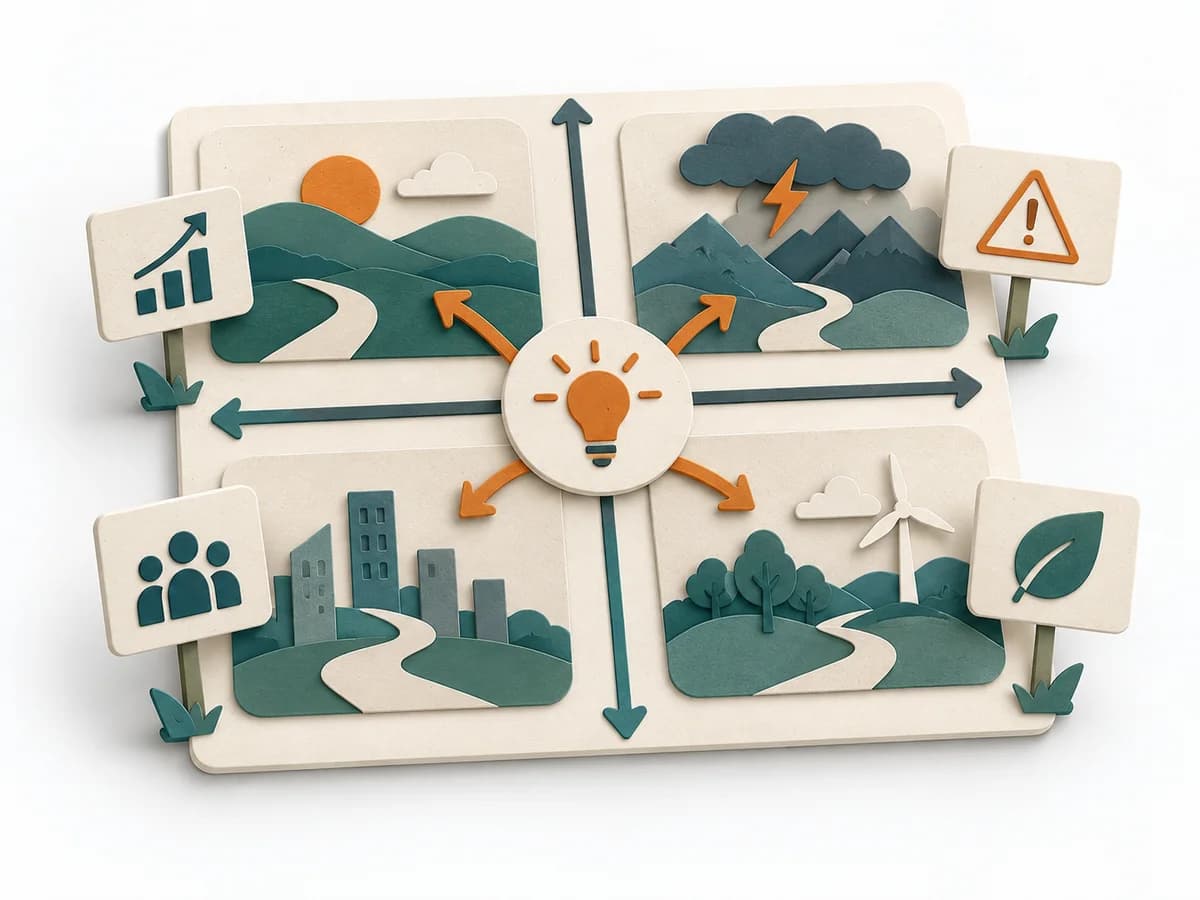 Business Strategy Scenario Planning |  Facilitation Stakeholder Salience Model | 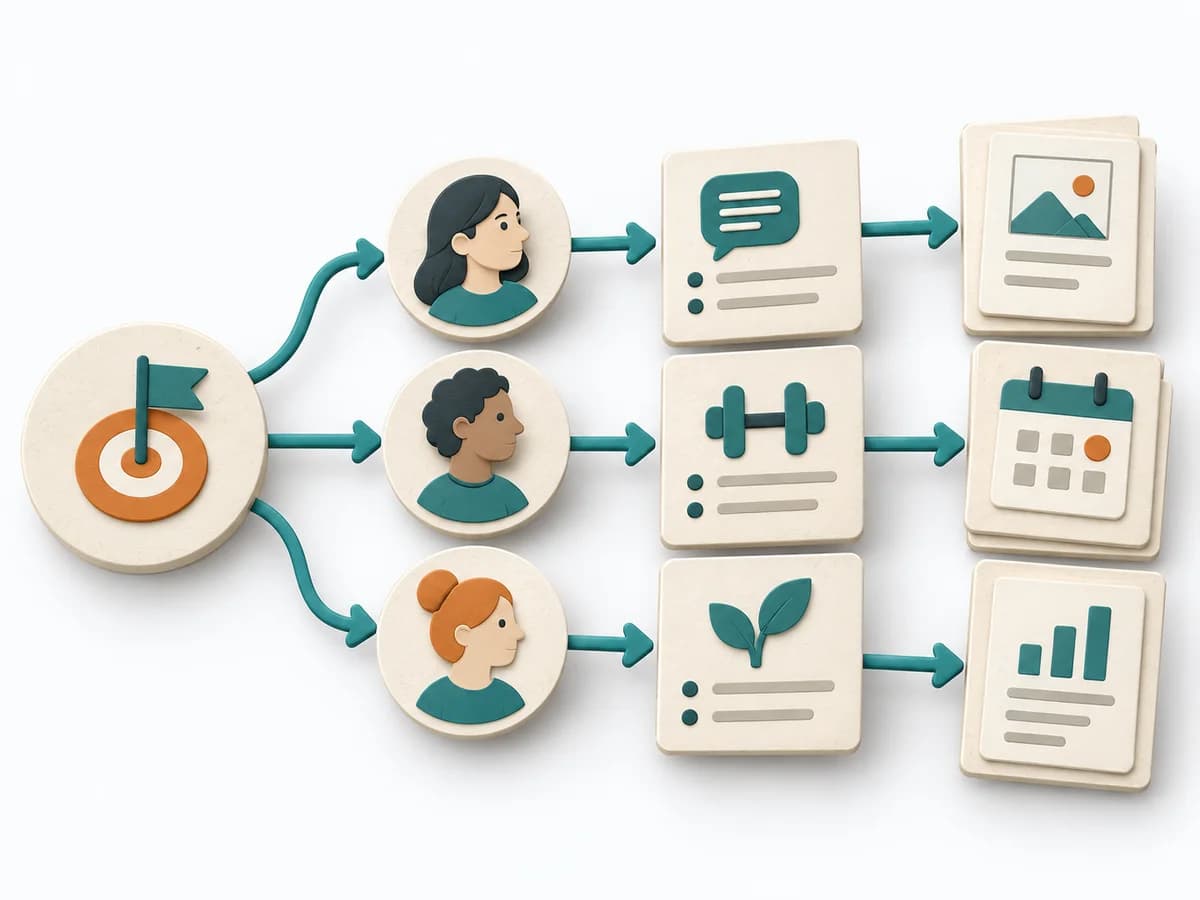 Product Strategy Impact Mapping |
|---|---|---|---|---|
Purposedifferent | When experiences build up over days or weeks and a single session cannot capture them, Diary Study records the course of everyday life. Recurring triggers, moods, and habits become visible this way, beyond the sharpness of memory. | Scenario Planning opens the view to several plausible futures instead of a single forecast. The method protects strategies from depending on too narrow an expected path. | When stakeholders appear to matter very differently, the Stakeholder Salience Model rates their actual priority through power, legitimacy, and urgency. It turns individual contributions into a visible selection. The result is captured as a Salience diagram and a class-based strategy. | When a goal needs to be connected to several possible paths, it shows chains of impact instead of feature lists. It connects business goal, behavior change, and measures. |
Complexitydifferent | Medium | High | Medium | Medium |
Timedifferent | 1-4 Wochen | 0.5-2 Tage | 60-90 min | 45-90 min |
Participantsdifferent | 5-20 | 4-12 | 3-6 | 3-8 |
Formatdifferent | Async | Workshop | Workshop | Workshop |
Outputdifferent | Diary Entries, Longitudinal Patterns, Experience Timeline | Scenario Set, Strategic Implications, Robust Options | Salience Diagram, Strategy per Class | Impact Map, Outcome Hypotheses, Delivery Options |
Tagsno overlap | UX researchTrackingBehavior | StrategyUncertaintyPlanning | StakeholdersFacilitationAlignmentGovernance | OutcomesStrategyBehaviorPlanning |