View methods side by side.
Choose up to four methods. Add them using the search and share the comparison by copying its link.
| Criterion |  UX Research Diary Study | 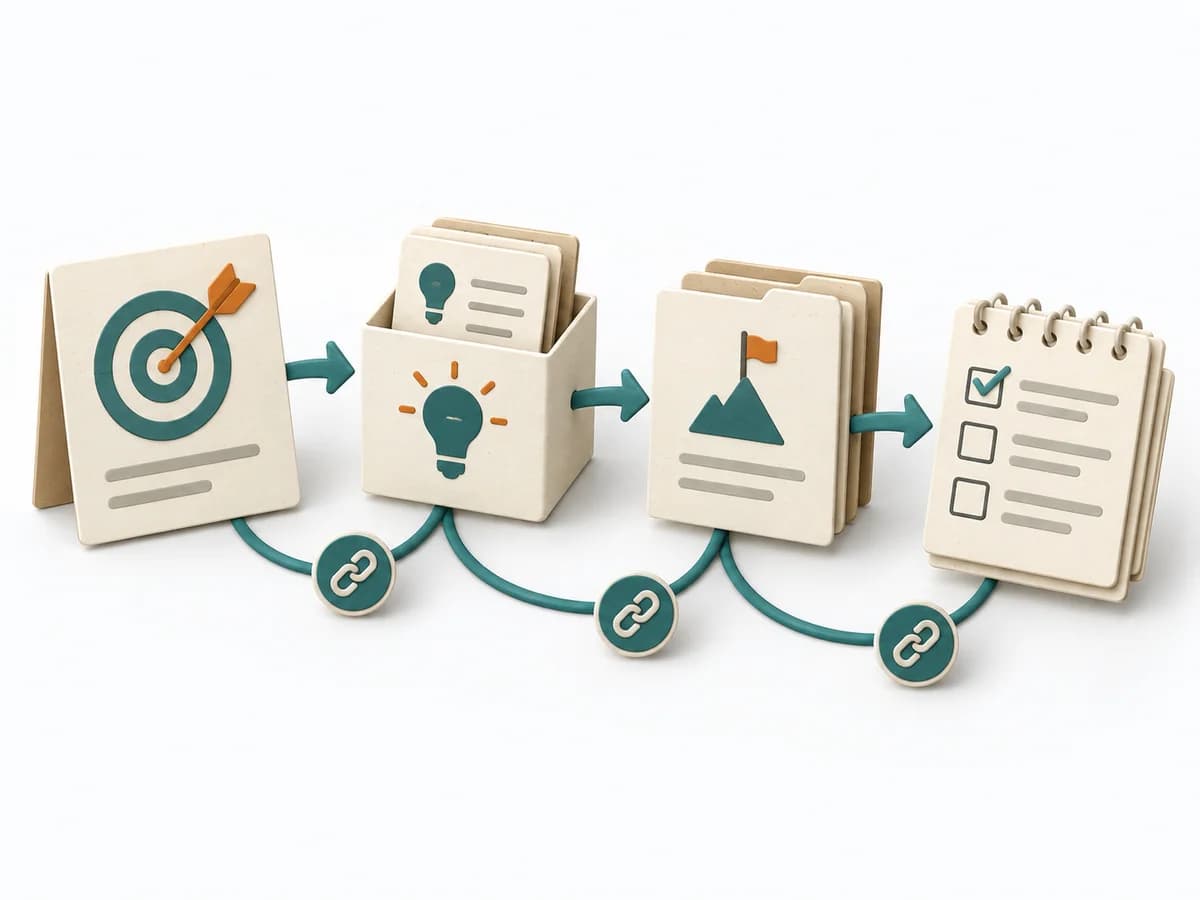 Product Strategy GIST Planning | 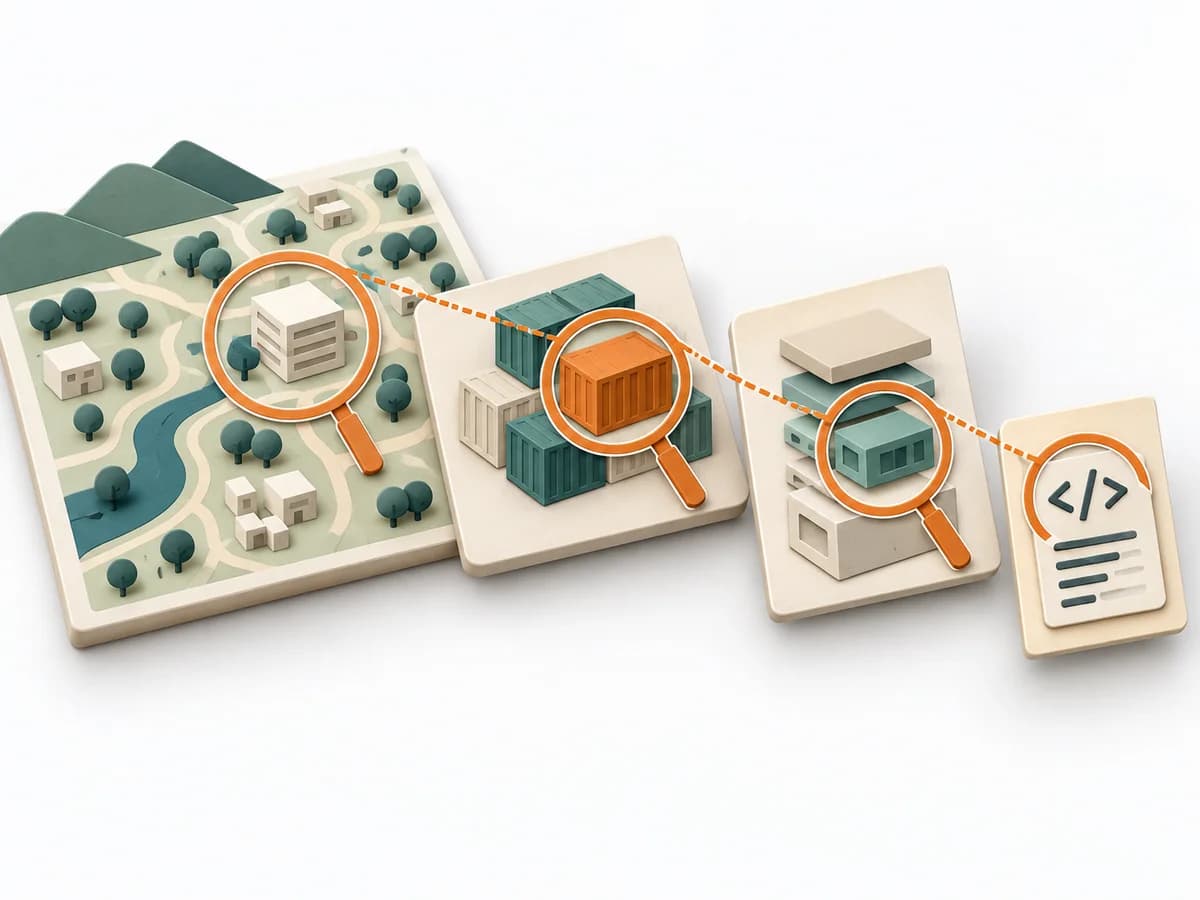 Architecture C4 Model | 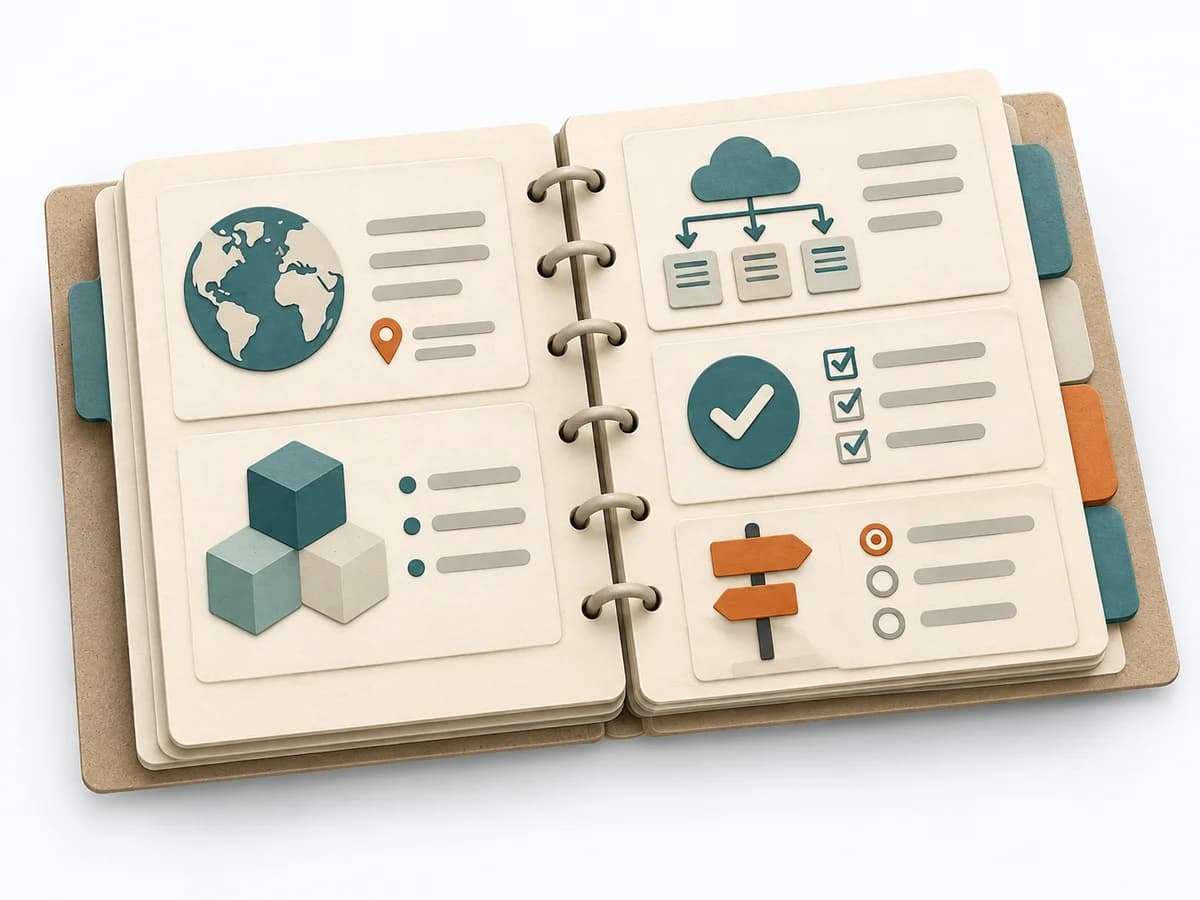 Architecture arc42 |
|---|---|---|---|---|
Purposedifferent | When experiences build up over days or weeks and a single session cannot capture them, Diary Study records the course of everyday life. Recurring triggers, moods, and habits become visible this way, beyond the sharpness of memory. | GIST Planning helps clarify target groups, value, goals, and priorities. It links customer value, product logic, and decision priorities, and captures the result as goals, an idea bank, and a step-project list. | The C4 Model makes a system legible across several resolution levels, from context down to code. It suits situations where different audiences need to understand the same architecture from different altitudes. | arc42 structures architecture knowledge so teams can document system, decisions, and risks consistently. The template builds a living understanding of the architecture instead of scattered notes. |
Complexitydifferent | Medium | Medium | Low | Low |
Timedifferent | 1-4 Wochen | Wochen bis Monate je Goal | 1-4 h | 1-2 Tage |
Participantsdifferent | 5-20 | 3-10 | 1-5 | 1-4 |
Formatdifferent | Async | Workshop + async | Workshop + async | Workshop + async |
Outputdifferent | Diary Entries, Longitudinal Patterns, Experience Timeline | Goals, Idea bank, Step-project list, Tasks, Learning reports | Context Diagram, Container Diagram, Component Diagram | Architecture Document, Context View, Runtime View, Deployment View |
Tagsno overlap | UX researchTrackingBehavior | RoadmapOutcomesPlanningExperiments | ArchitectureCommunicationVisualization | ArchitectureDocumentationCommunication |