View methods side by side.
Choose up to four methods. Add them using the search and share the comparison by copying its link.
| Criterion | 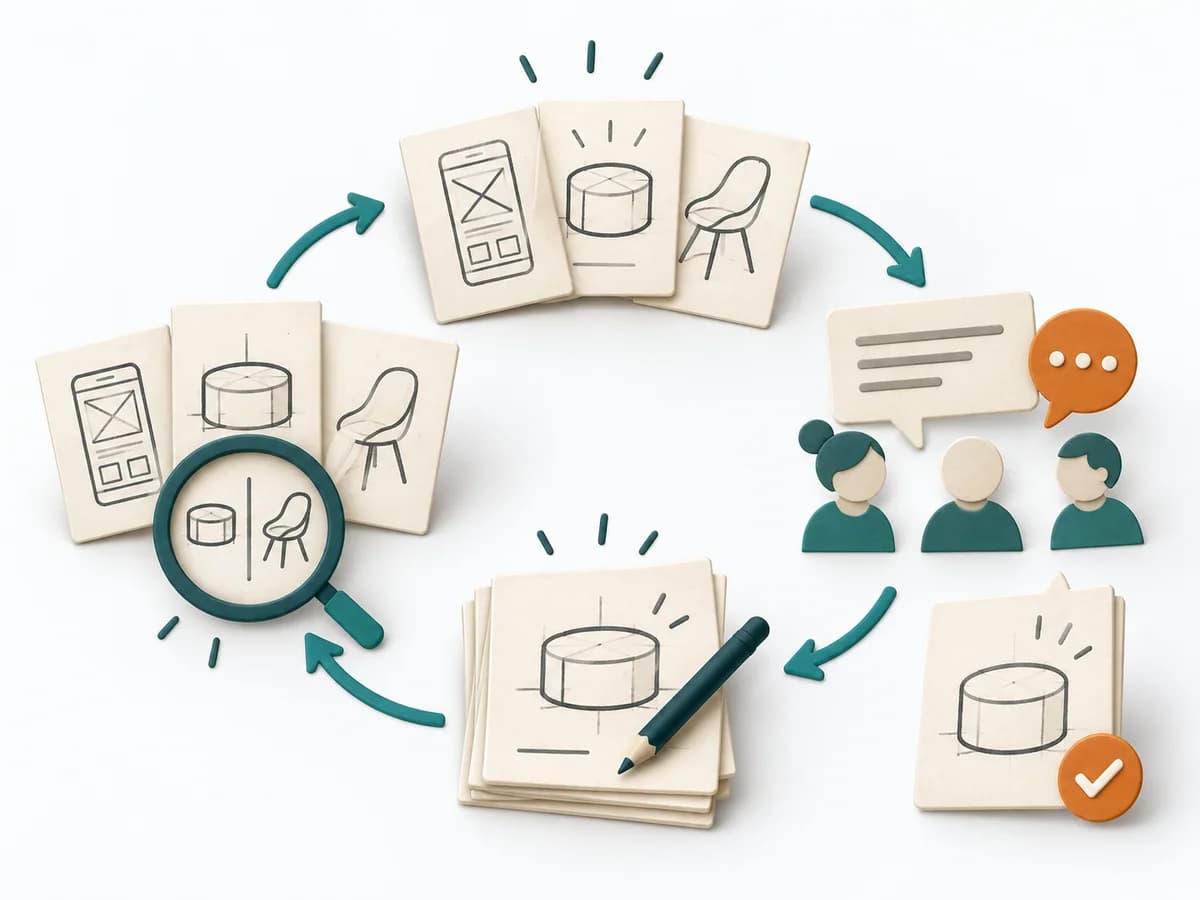 UX Design Design Studio |  Systems Thinking Leverage Points | 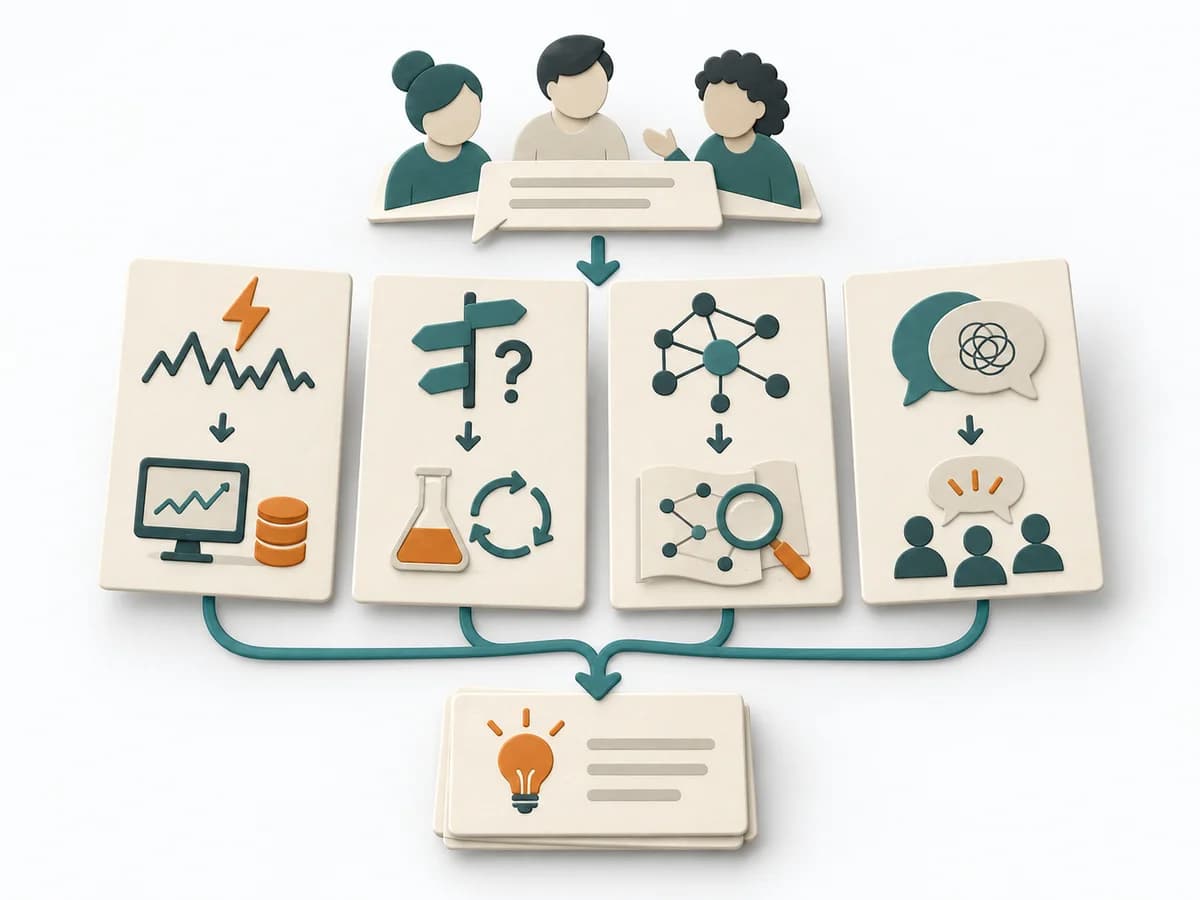 Systems Thinking VUCA Scan | 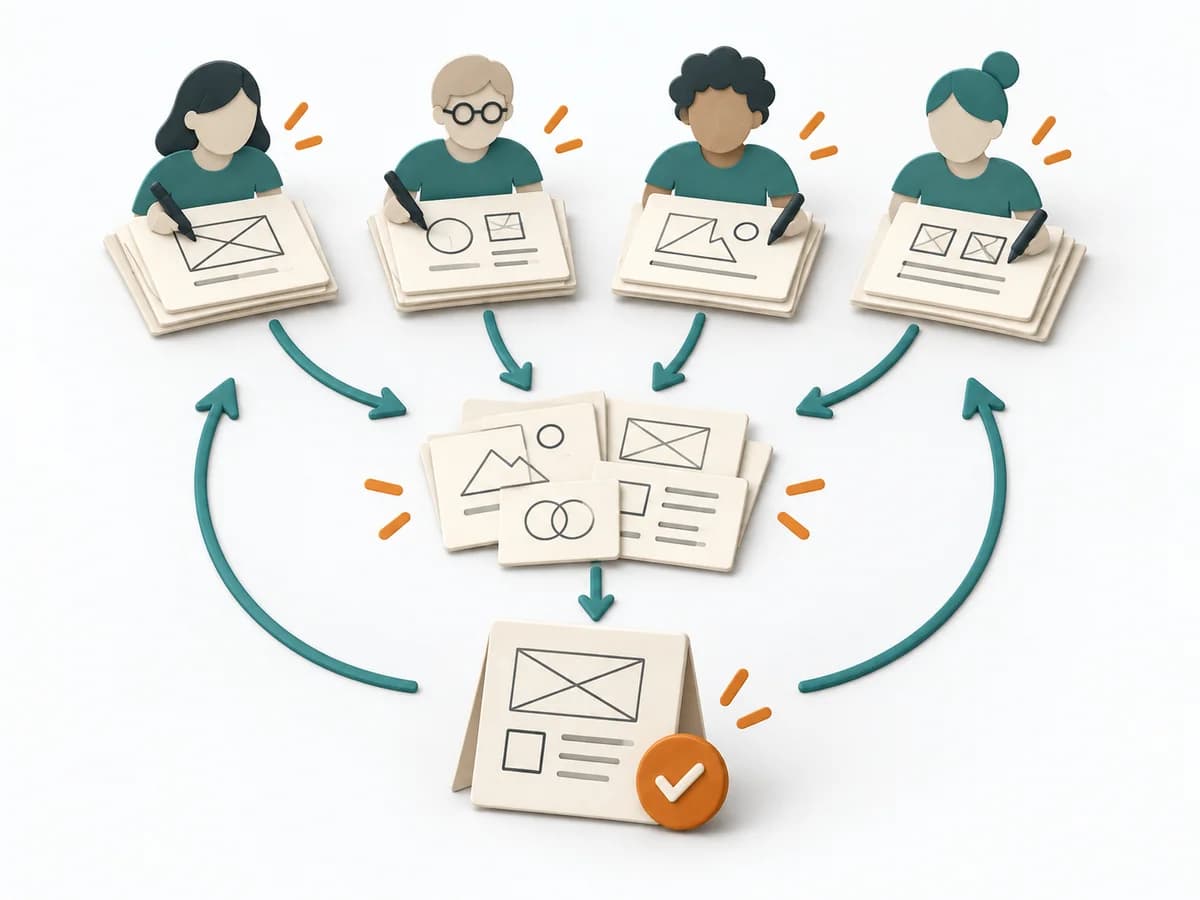 Innovation Design Charrette |
|---|---|---|---|---|
Purposedifferent | When several designs need to be quickly put in relation to each other, it makes ideas visible and comparable. It encourages early variants instead of long upfront debates. | Leverage Points show exactly where interventions in a system produce a disproportionate effect. It draws relationships, patterns, and feedback loops. The result is captured as a leverage map and action strategy. | The VUCA Scan helps read difficult situations more precisely. Instead of treating unclarity as generally complicated, the method separates fast change, missing knowledge, systemic entanglement, and ambiguous interpretation. | In a tightly timed design process with many participants, the method pools several lines of thinking in a short time. It brings parallel design energy without letting the discussion tip into endless coordination. This quickly produces solid directions for architecture or space. |
Complexitydifferent | Medium | High | Low | Medium |
Timedifferent | 1-3 h | Half day | 30-90 min | Halber Tag bis mehrere Tage |
Participantsdifferent | 3-8 | 3-12 | 1-10 | 10-50 |
Formatdifferent | Workshop | Workshop | Workshop + async | Workshop |
Outputdifferent | Sketches, Concept Directions, Design Decisions | Leverage Map, Action Strategy | VUCA Map, Response Options, Signal and Learning Plan | Sketches and Concepts, Consolidated Solution Sketch, Prioritized Direction |
Tagsno overlap | SketchingCollaborationIdeation | Systems thinkingChangeStrategy | SensemakingUncertaintyComplexityStrategyForesight | BrainstormingWorkshopCollaborationIdeation |