View methods side by side.
Choose up to four methods. Add them using the search and share the comparison by copying its link.
| Criterion | 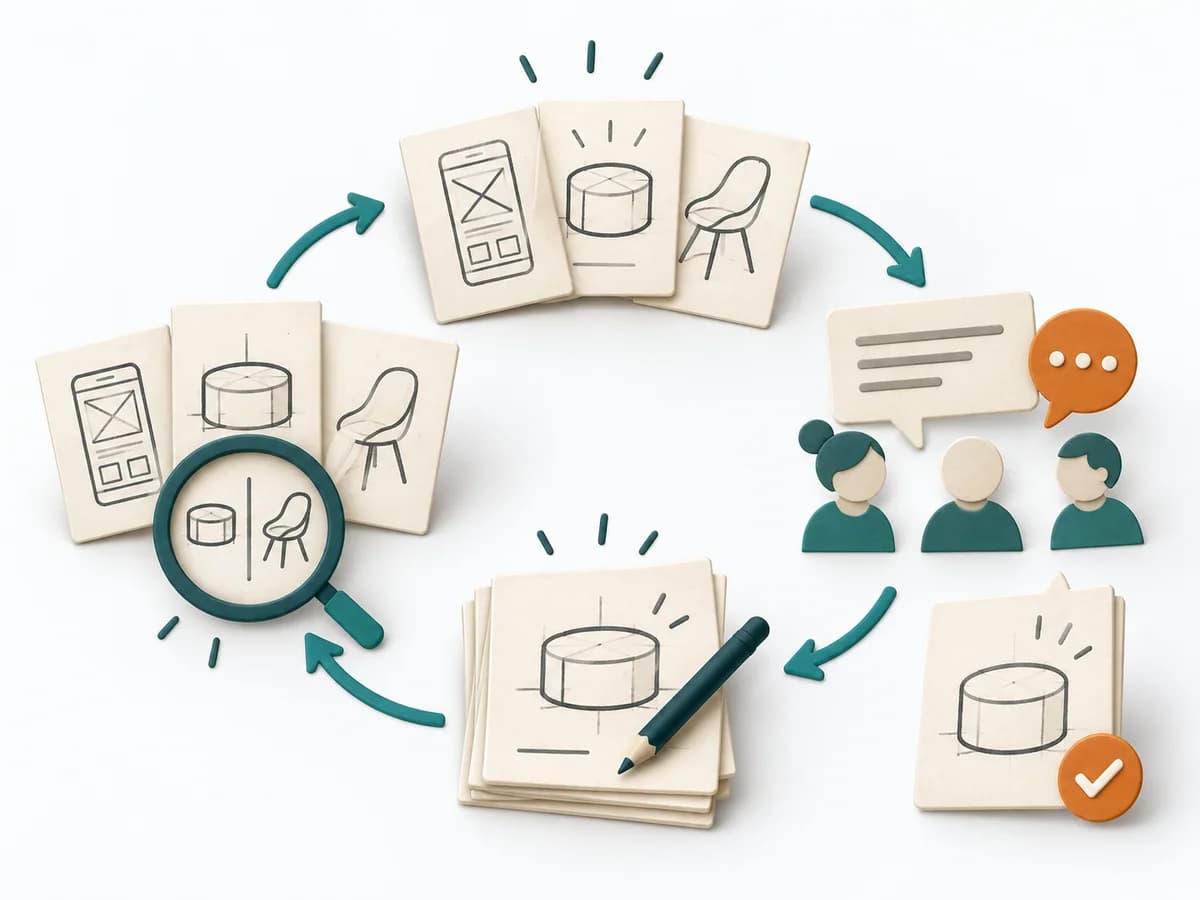 UX Design Design Studio |  Operations Fault Tree Analysis | 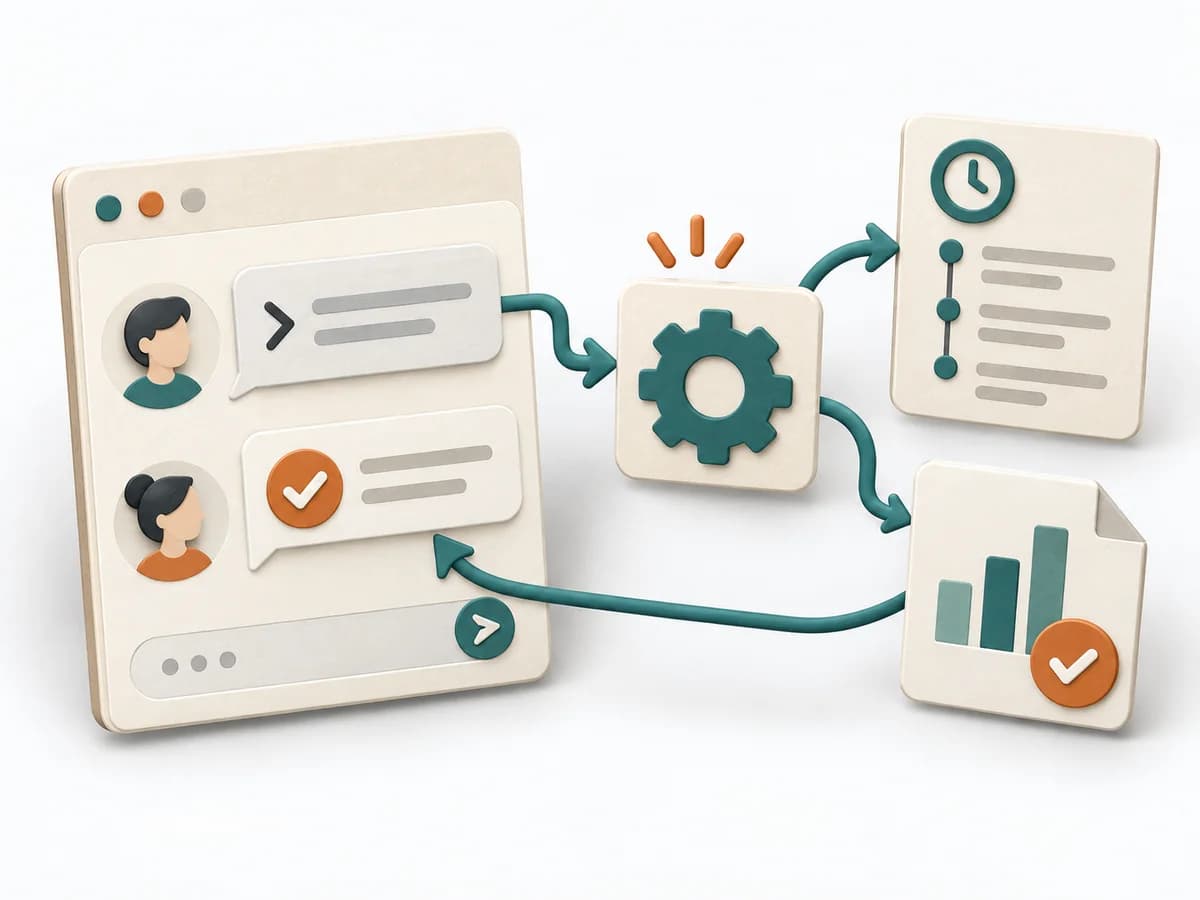 DevOps ChatOps |  Operations 5 Whys |
|---|---|---|---|---|
Purposedifferent | When several designs need to be quickly put in relation to each other, it makes ideas visible and comparable. It encourages early variants instead of long upfront debates. | For a critical top event with several possible triggers, the method logically models failure paths. It makes visible which combinations of conditions can lead to damage. | For operational work in a distributed team, the method links communication with direct system control. It records decisions right where the signal, the context, and the execution come together. | For a single, hard-to-explain deviation, the method exposes the causal chain behind the visible symptom. It keeps the cause open until a controllable condition emerges instead of a mere description. |
Complexitydifferent | Medium | High | Medium | Low |
Timedifferent | 1-3 h | 2-6 h | Ongoing | 15-30 min |
Participantsdifferent | 3-8 | 3-8 | 2-20 | 2-6 |
Formatdifferent | Workshop | Workshop + async | Workshop + async | Workshop |
Outputdifferent | Sketches, Concept Directions, Design Decisions | Fault Tree, Critical Paths, Cause Hypotheses, Control Actions | Chat Transcript, Action Log, Automations | Root cause notes, Countermeasures |
Tagsno overlap | SketchingCollaborationIdeation | RiskRoot causeSafety | CollaborationEngineeringIncident | Root causeIncidentLeanProblem solving |