View methods side by side.
Choose up to four methods. Add them using the search and share the comparison by copying its link.
| Criterion | 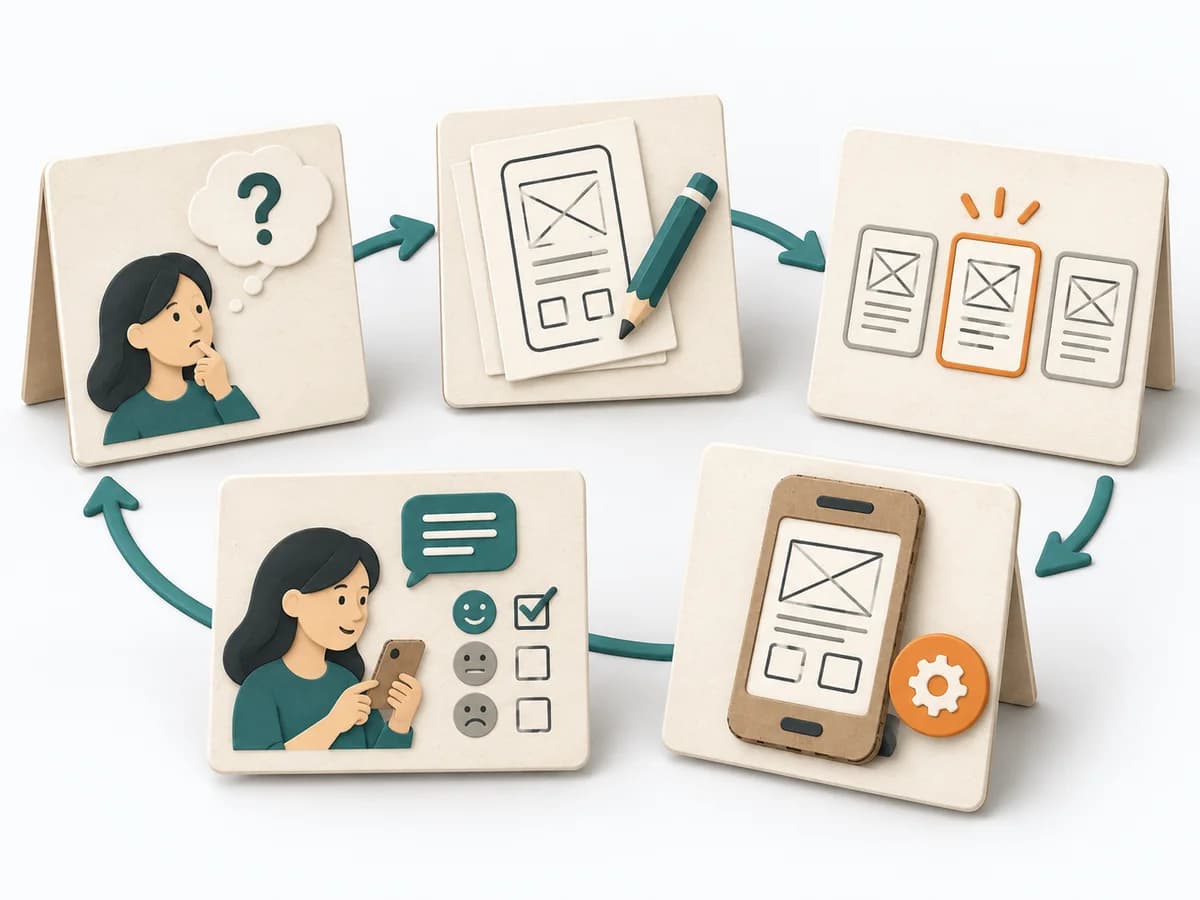 Innovation Design Sprint | 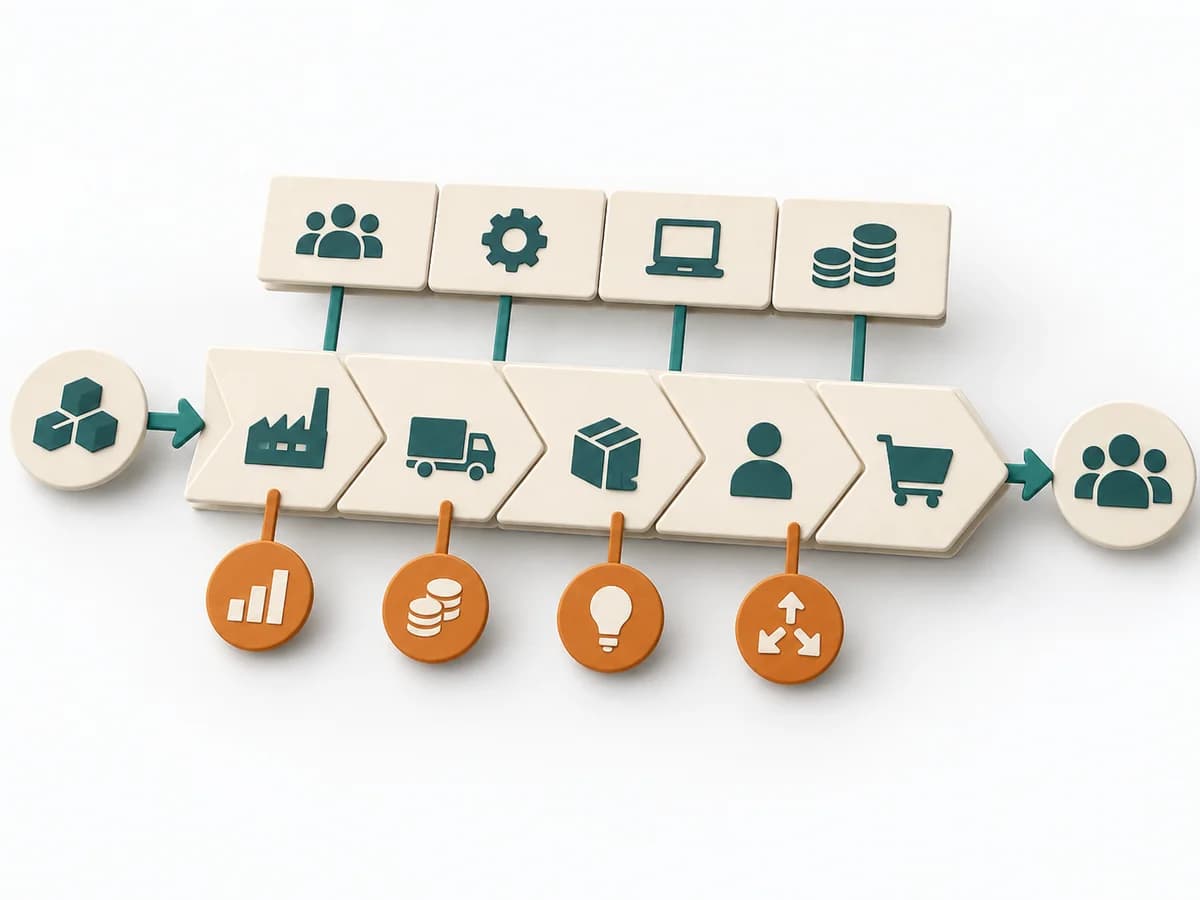 Business Strategy Value Chain Analysis | 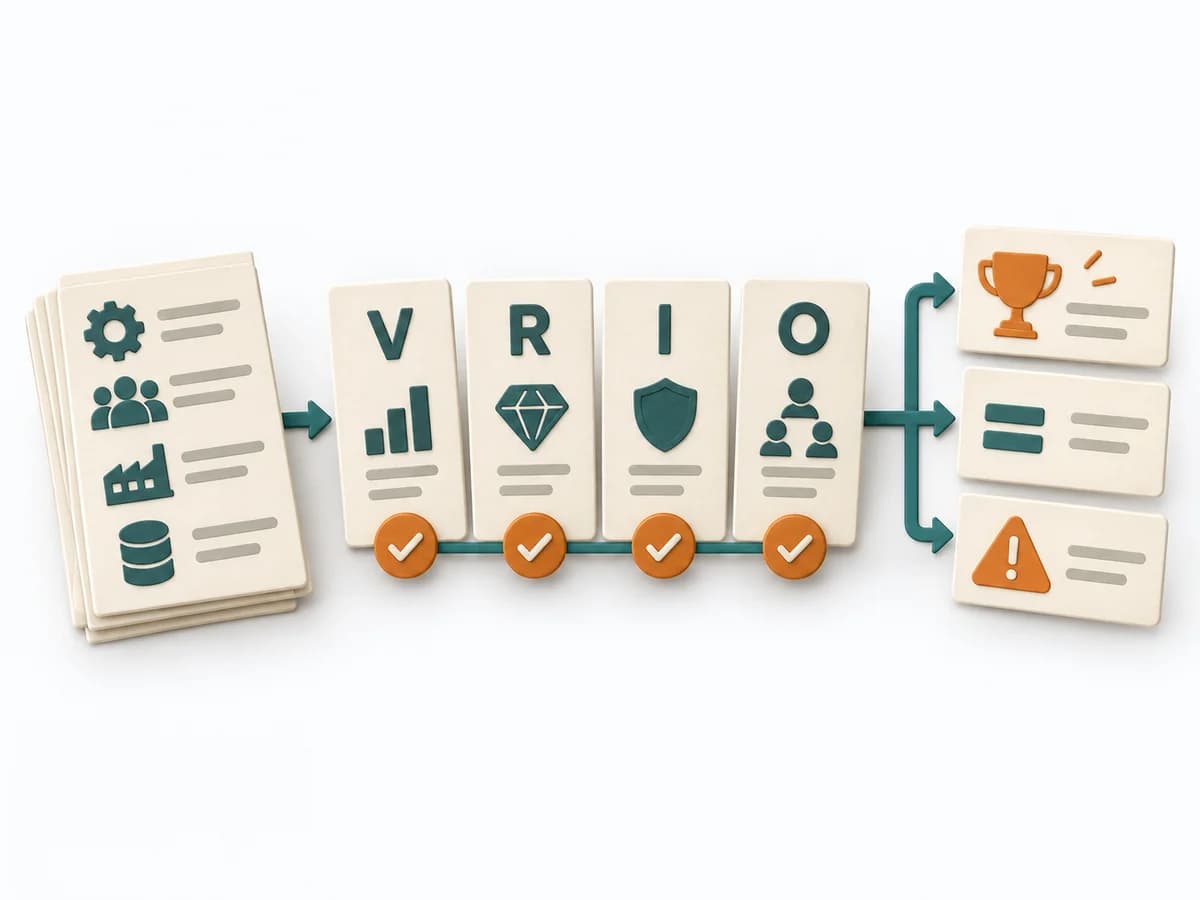 Business Strategy VRIO Framework | 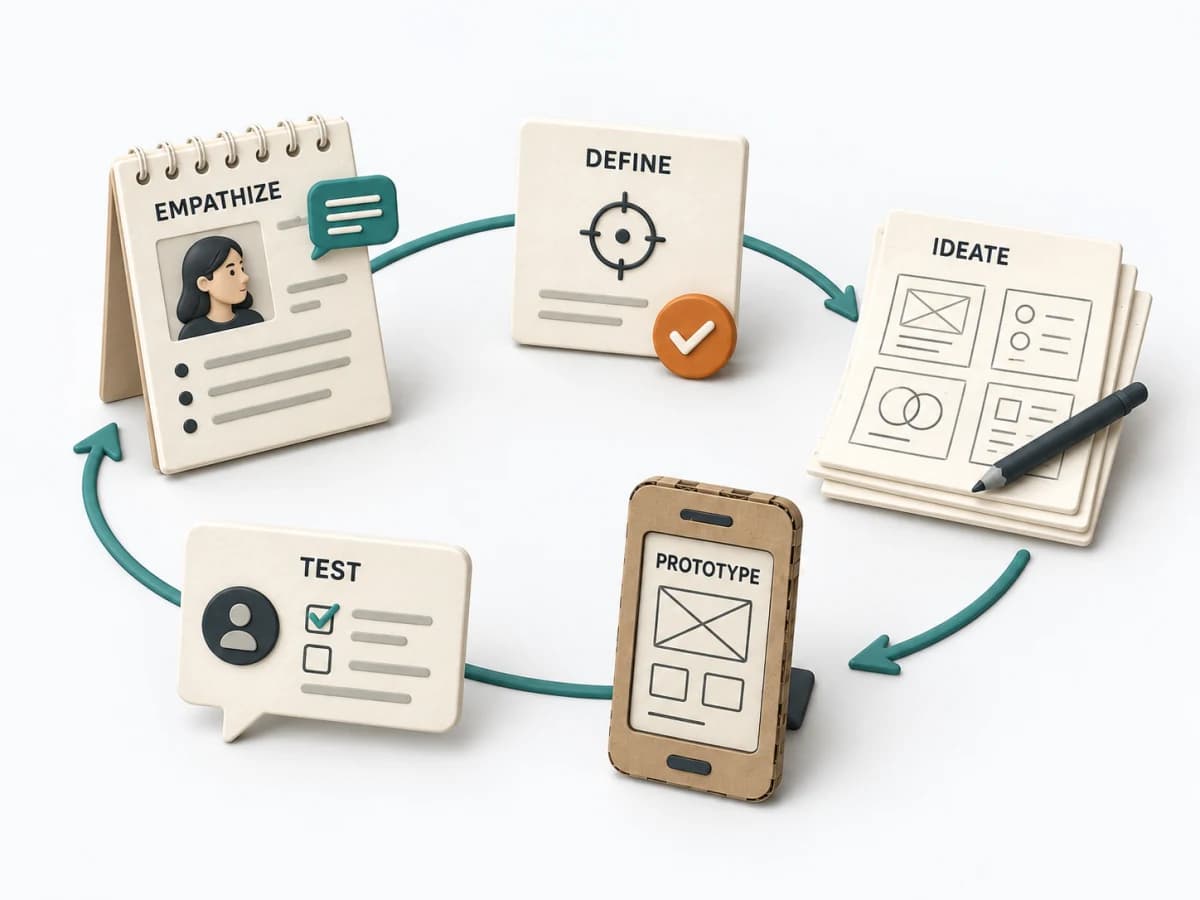 Innovation Design Thinking |
|---|---|---|---|---|
Purposedifferent | When the product question is unclear and time pressure is high, the method takes a team from an open idea to a testable solution. It connects problem understanding, decision, and learning in one compact format, lowering the risk of spending a lot of energy on a mere guess. | Value Chain Analysis shows where value is created, costs accrue, and differentiation becomes possible along the process. It compares strengths, risks, market logic, and courses of action. The result is captured as a value-chain map and lever list. | The VRIO Framework rates resources and capabilities on whether they are Valuable, Rare, Inimitable, and Organized. It compares strengths, risks, market logic, and courses of action. The result is captured as a VRIO table and strategic actions. | For complex user problems with an uncertain cause, the method connects observation, interpretation, and experiment into a learning cycle. It keeps the focus on real needs and avoids premature solution language. This produces robust decisions for product and service. |
Complexitydifferent | High | High | Medium | High |
Timedifferent | 4-5 Tage | Half day | 90-180 min | 1 Tag bis mehrere Wochen |
Participantsdifferent | 5-8 | 3-8 | 3-6 | 4-10 |
Formatsame | Workshop | Workshop | Workshop | Workshop |
Outputdifferent | Prototype, Test Findings, Decision Rationale | Value Chain Map, Lever List | VRIO Table, Strategic Actions | Problem Statement, Prototype, Test Learnings |
Tagsno overlap | Design sprintPrototypeValidationInnovation | StrategyBusiness modelDiagnosisAnalysis | StrategyDiagnosisBusiness modelCapability | InnovationPrototypeResearch |