View methods side by side.
Choose up to four methods. Add them using the search and share the comparison by copying its link.
| Criterion |  Innovation Design Sprint | 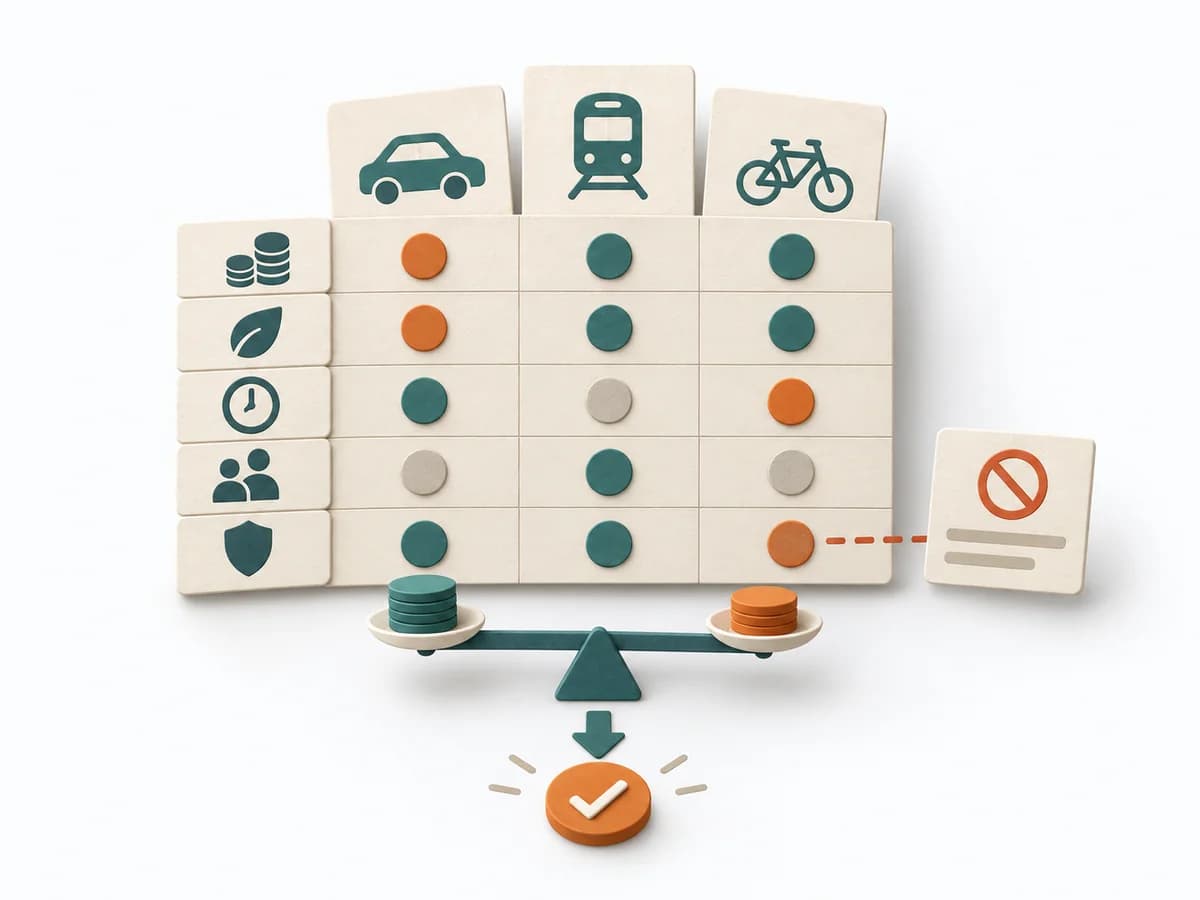 Decision Making Trade-off Analysis | 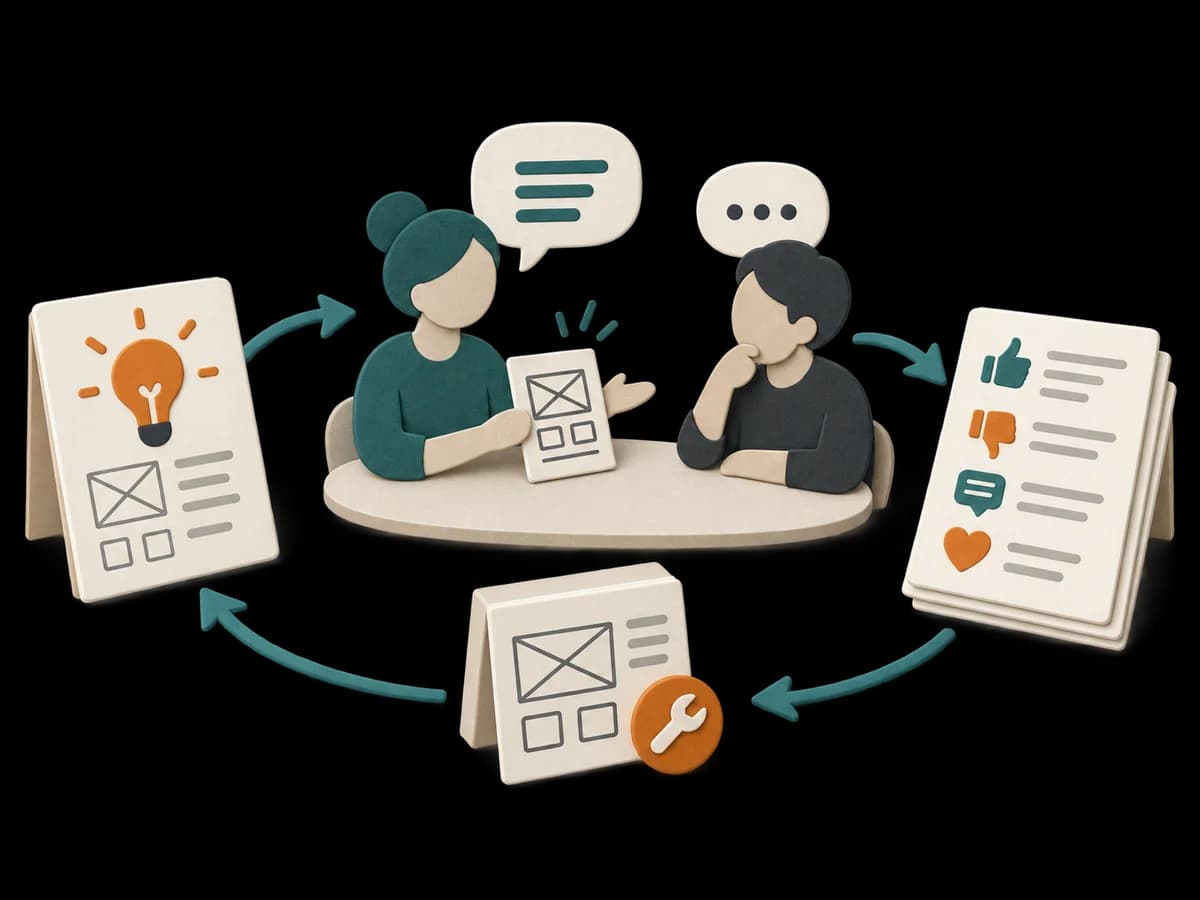 Product Discovery Solution Interview |  Decision Making Decision Tree |
|---|---|---|---|---|
Purposedifferent | When the product question is unclear and time pressure is high, the method takes a team from an open idea to a testable solution. It connects problem understanding, decision, and learning in one compact format, lowering the risk of spending a lot of energy on a mere guess. | With limited resources, quality, speed, cost, and risk almost always compete with each other. Trade-off Analysis makes these tensions explicit and prevents decisions from producing hidden side effects. | When a solution idea is already on the table, it checks how it is understood and evaluated. It looks for resonance, objections, and missing fit early in the conversation. | For decisions with follow-on paths and dependencies, a linear comparison is often not enough. A Decision Tree shows how options branch under conditions and which consequences hang on each branch. |
Complexitydifferent | High | Medium | Medium | Medium |
Timedifferent | 4-5 Tage | 45-120 min | 30-60 min je Interview | 30-90 min |
Participantsdifferent | 5-8 | 2-8 | 5-10 Interviews | 1-6 |
Formatdifferent | Workshop | Workshop + async | Workshop + async | Workshop + async |
Outputdifferent | Prototype, Test Findings, Decision Rationale | Trade-off Matrix, Criteria List, Decision Rationale, Accepted Downsides | Solution Feedback, Objection List, Validation Notes | Decision Tree, Option Map, Assumption List |
Tagsno overlap | Design sprintPrototypeValidationInnovation | TradeoffsDecisionCriteriaOptions | ValidationInterviewsPrototype | DecisionTreeOptions |