View methods side by side.
Choose up to four methods. Add them using the search and share the comparison by copying its link.
| Criterion |  Innovation Design Sprint | 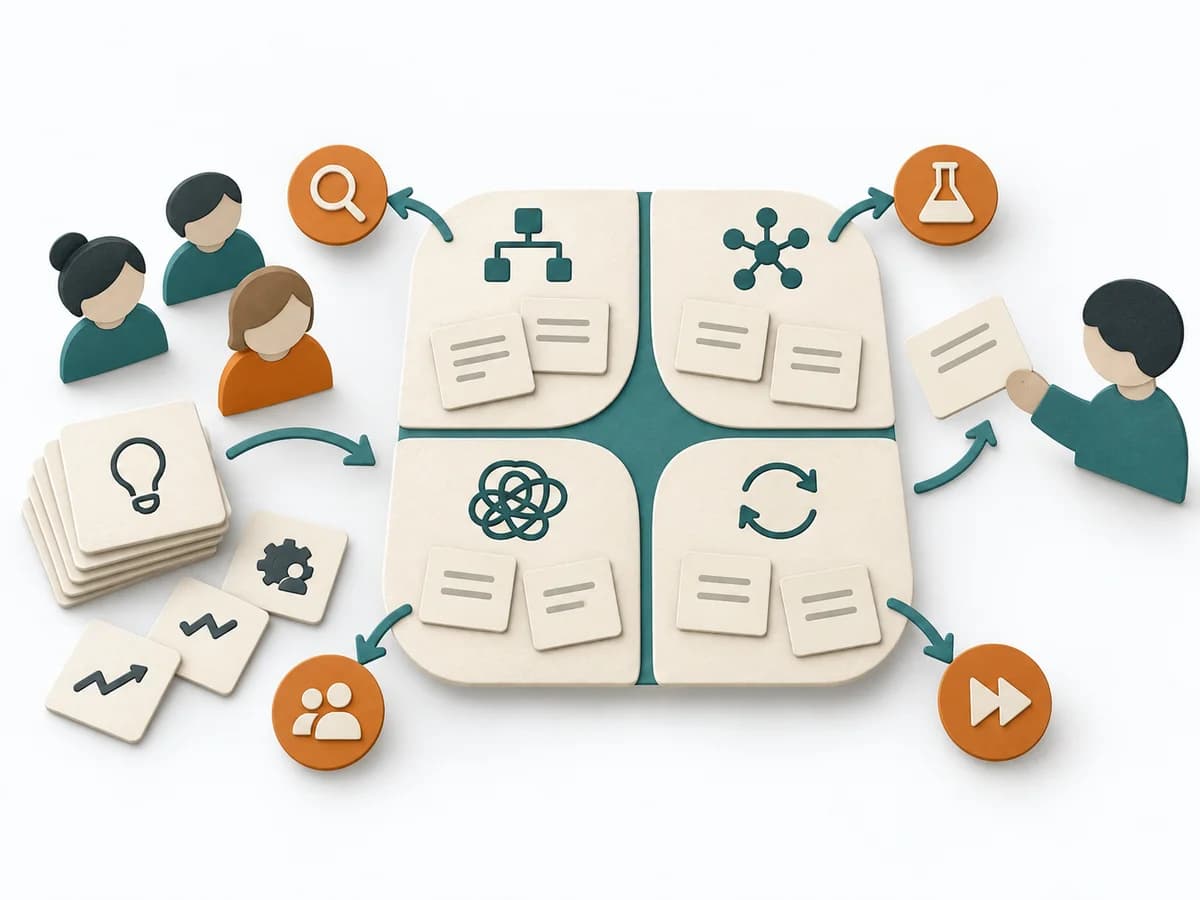 Decision Making Cynefin Workshop |  Product Discovery Assumption Mapping | 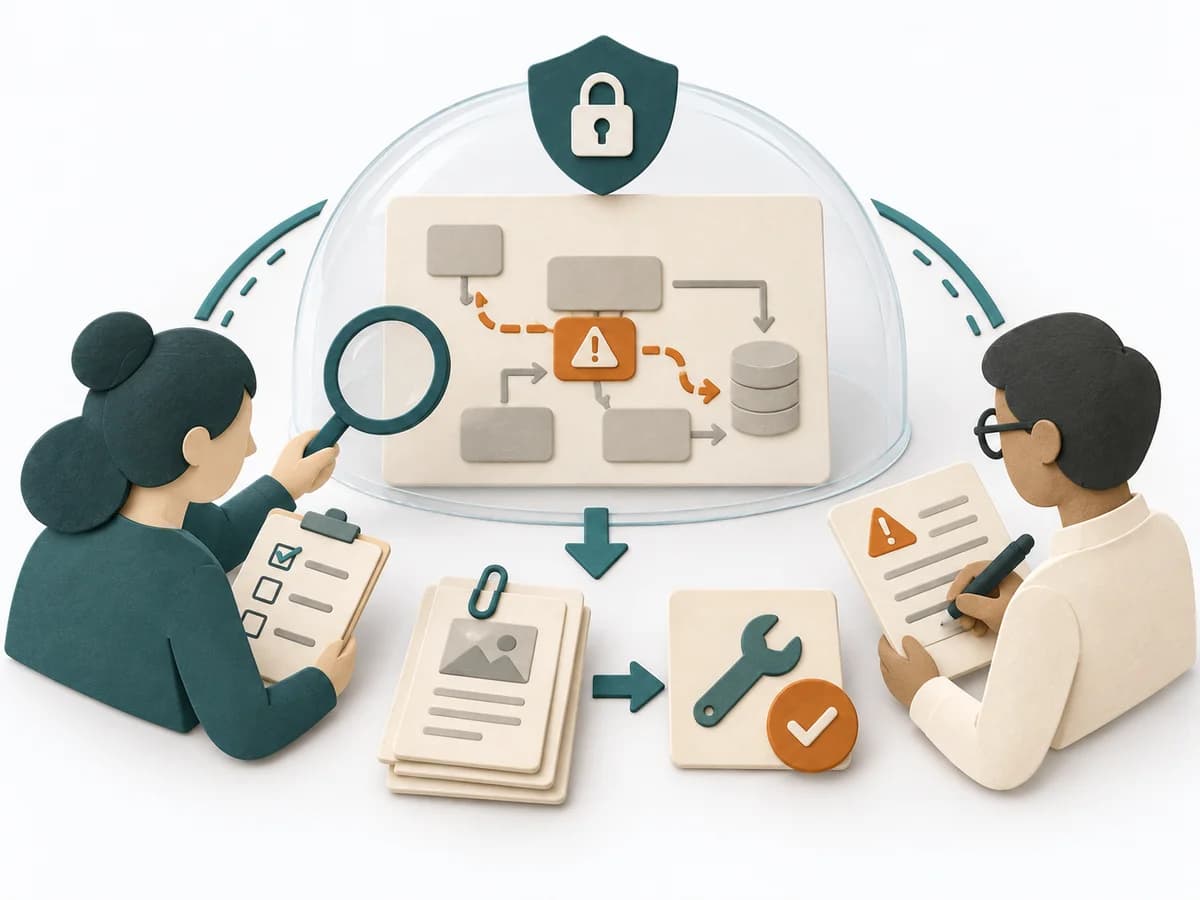 Decision Making Red Teaming |
|---|---|---|---|---|
Purposedifferent | When the product question is unclear and time pressure is high, the method takes a team from an open idea to a testable solution. It connects problem understanding, decision, and learning in one compact format, lowering the risk of spending a lot of energy on a mere guess. | When problems are unclear, chaotic, or only seemingly familiar, standard recipes fall short. A Cynefin Workshop sorts situations by the nature of their problem and connects them with matching action logic. | When assumptions still sit unordered in the room, it weighs uncertainty against leverage. It makes visible which hypotheses should be checked first. | For strategic decisions with high reach, agreement and gut feeling are often not enough. Red teaming brings deliberate opposition into the situation and tests where a plan breaks under real counterarguments. |
Complexitydifferent | High | Medium | Medium | High |
Timedifferent | 4-5 Tage | 60-180 min | 45-60 min | 1-4 h |
Participantsdifferent | 5-8 | 4-20 | 2-8 | 3-8 |
Formatdifferent | Workshop | Workshop | Workshop + async | Workshop |
Outputdifferent | Prototype, Test Findings, Decision Rationale | Cynefin Map, Domain-specific Actions, Sensemaking Notes | Assumption map, Test backlog, Risk ranking | Challenge Findings, Risk Register, Mitigation Plan |
Tagsno overlap | Design sprintPrototypeValidationInnovation | ComplexitySensemakingDecision | AssumptionsRiskExperimentsValidation | RiskDecisionSensemaking |