View methods side by side.
Choose up to four methods. Add them using the search and share the comparison by copying its link.
| Criterion |  Decision Making Delphi Method |  Systems Thinking Iceberg Model | 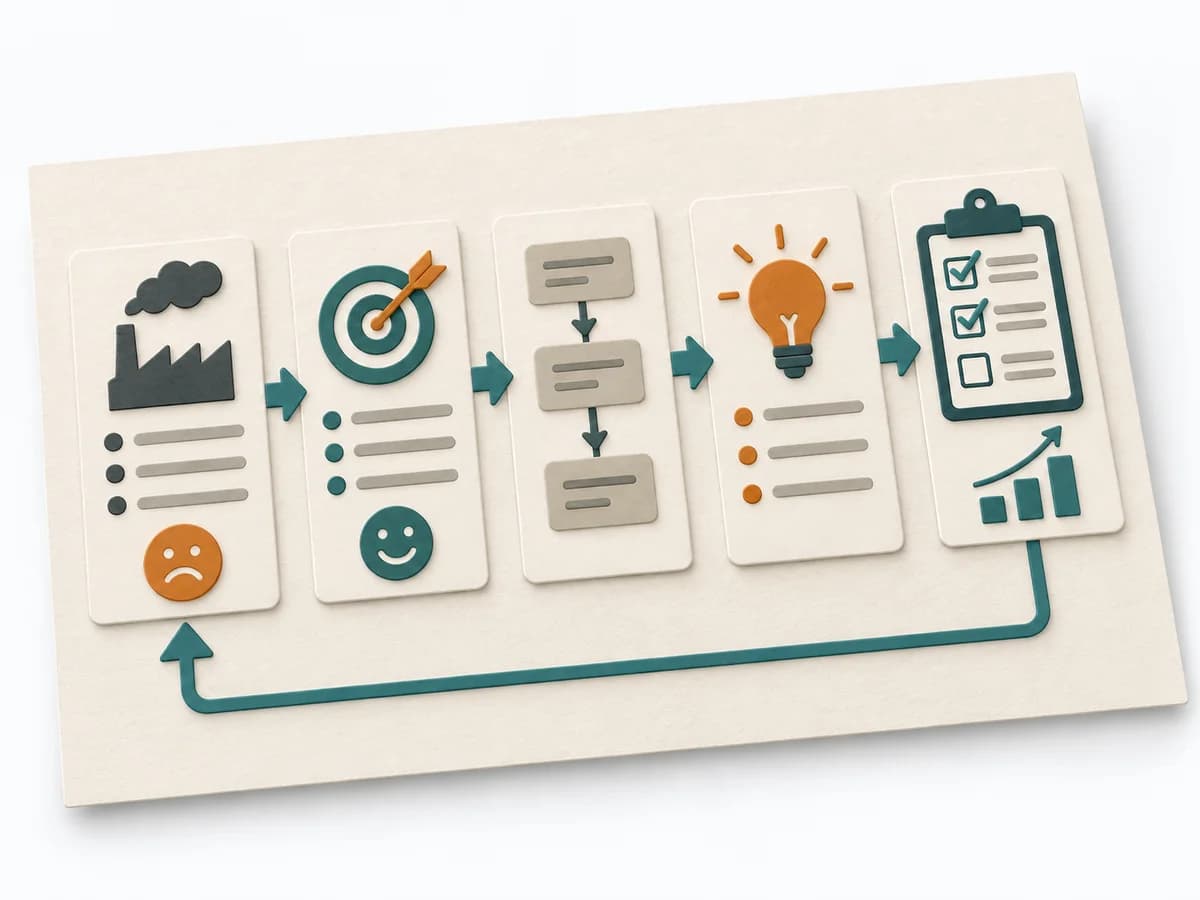 Operations A3 Problem Solving | 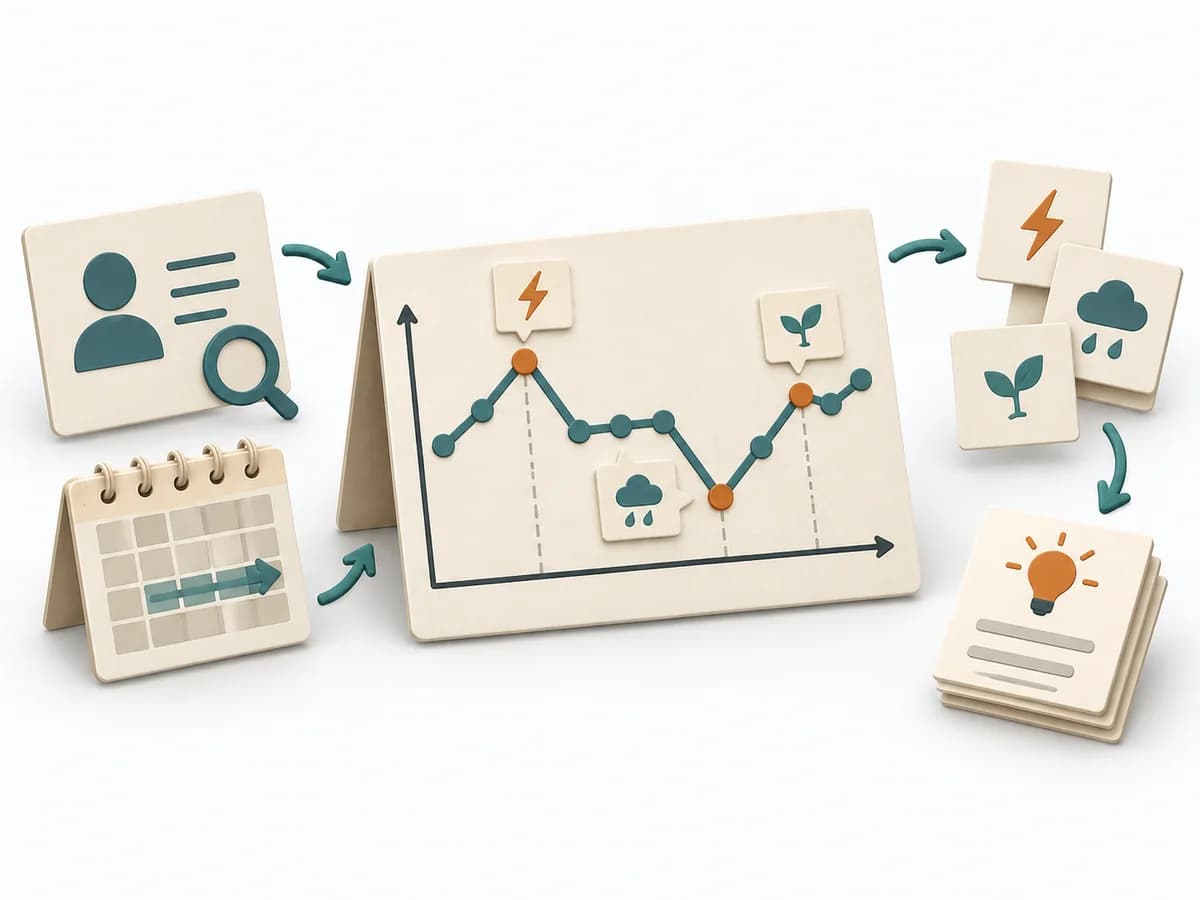 Systems Thinking Behavior Over Time Graph |
|---|---|---|---|---|
Purposedifferent | When knowledge is distributed and direct dominance should be avoided, groups quickly fall under the sway of their opinion leaders. The Delphi Method gathers assessments iteratively and gradually brings expert judgments closer together. | The Iceberg Model separates visible events from patterns, structures, and mental models. This turns a single observation into a deeper understanding of why a problem keeps recurring. | For a complex deviation with several people involved, the method bundles problem, analysis, and decision onto one page. It creates a shared working space where causes, countermeasures, and follow-up fit together. | A Behavior Over Time Graph shows how a metric or observation develops over time. The method makes trends, breaks, and recurring patterns visible that get lost in snapshots. |
Complexitydifferent | High | Low | Medium | Low |
Timedifferent | 1-4 Wochen | 30-60 min | 45-90 min | 20-45 min |
Participantsdifferent | 6-30 Experten | 2-10 | 2-5 | 1-10 |
Formatdifferent | Async | Workshop + async | Workshop + async | Workshop + async |
Outputdifferent | Expert Forecast, Consensus Range, Assumption Notes | Iceberg Worksheet, Pattern Notes, Intervention Ideas | A3 Report, Action Plan, Root Cause Analysis | Behavior Over Time Graph, Trend Hypotheses, Key Events |
Tagsno overlap | ForecastingExpertsDecisionStrategy | Systems thinkingRoot causePatterns | LeanProblem solvingCoachingOperations | Systems thinkingPatternsDynamics |