View methods side by side.
Choose up to four methods. Add them using the search and share the comparison by copying its link.
| Criterion | 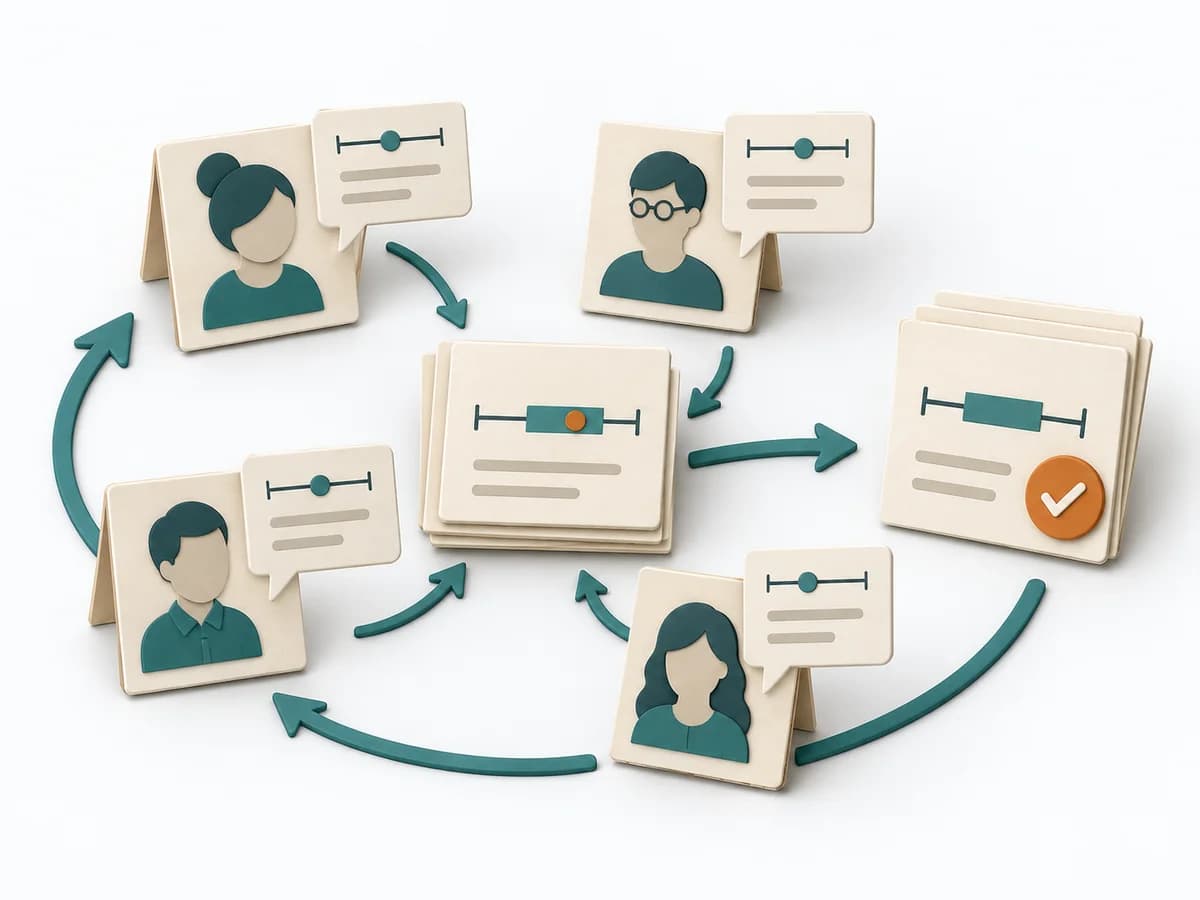 Decision Making Delphi Method |  Decision Making Force Field Analysis | 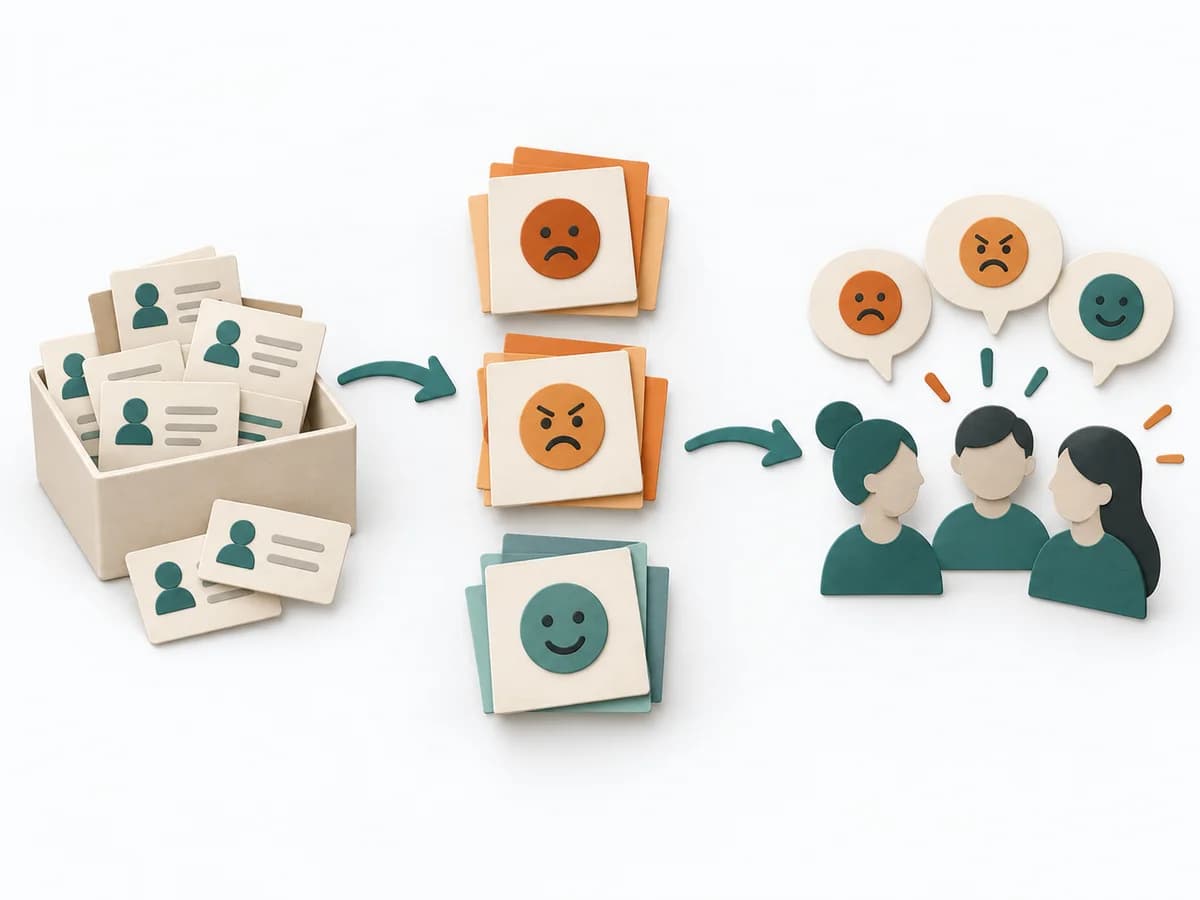 Agile Mad Sad Glad | 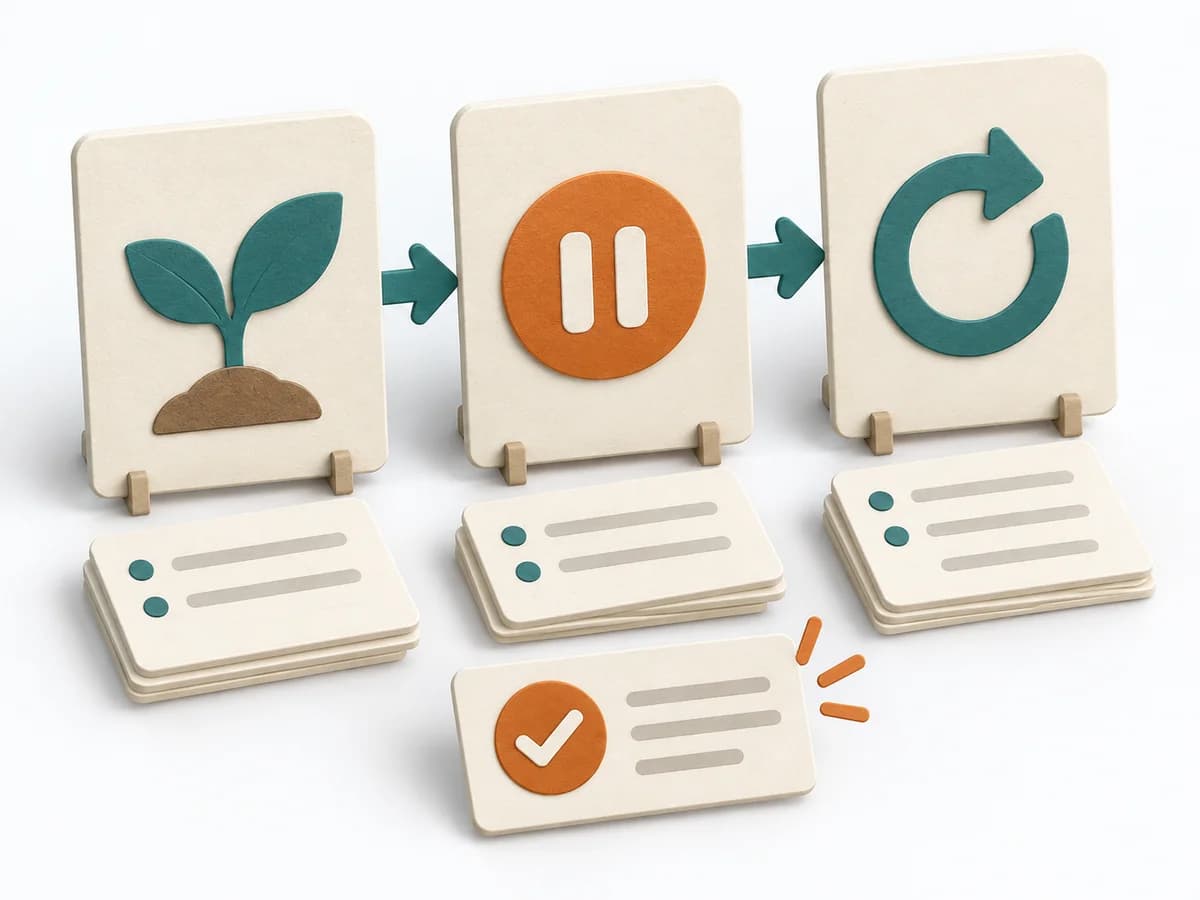 Agile Start Stop Continue |
|---|---|---|---|---|
Purposedifferent | When knowledge is distributed and direct dominance should be avoided, groups quickly fall under the sway of their opinion leaders. The Delphi Method gathers assessments iteratively and gradually brings expert judgments closer together. | In change initiatives, supporting and restraining forces sit at the table at the same time. Force Field Analysis makes these tensions explicit and shows where change can be pushed forward by strengthening or relieving. | When a team's or workshop's mood needs to become readable, it structures emotional signals with little setup. It makes strain, relief, and sources of energy tangible. | When a team wants to deliberately adjust its working behavior, it makes habits visible and assessable. It focuses on concrete changes instead of diffuse mood. |
Complexitydifferent | High | Low | Low | Low |
Timedifferent | 1-4 Wochen | 45-90 min | 30-60 min | 30-60 min |
Participantsdifferent | 6-30 Experten | 3-12 | 3-10 | 3-12 |
Formatdifferent | Async | Workshop | Workshop | Workshop |
Outputdifferent | Expert Forecast, Consensus Range, Assumption Notes | Force Field Map, Change Levers, Risk Notes | Emotion Board, Themes, Action Items | Start Stop Continue Board, Improvement Actions |
Tagsno overlap | ForecastingExpertsDecisionStrategy | ChangeDecisionStrategy | RetrospectiveTeamReflection | RetrospectiveImprovementTeamReflection |