View methods side by side.
Choose up to four methods. Add them using the search and share the comparison by copying its link.
| Criterion | 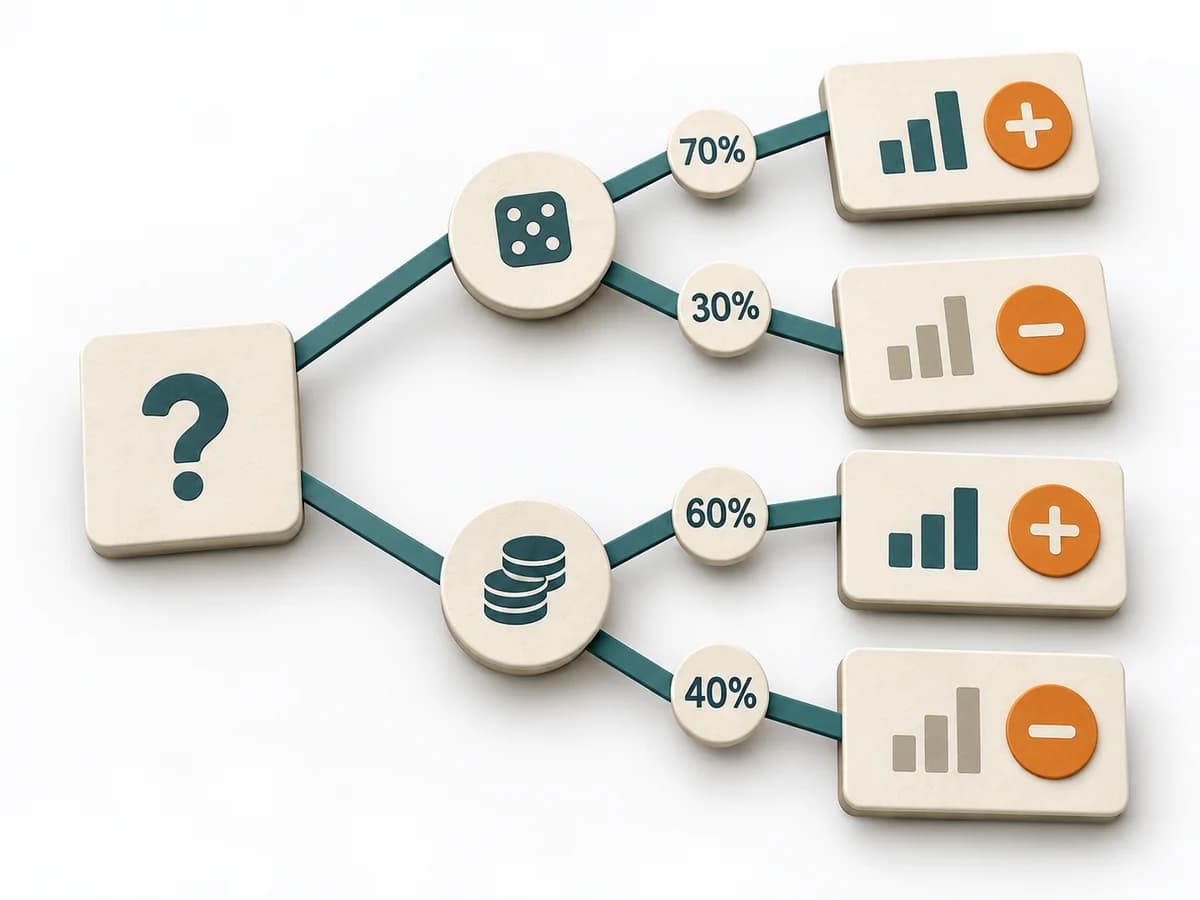 Decision Making Decision Tree | 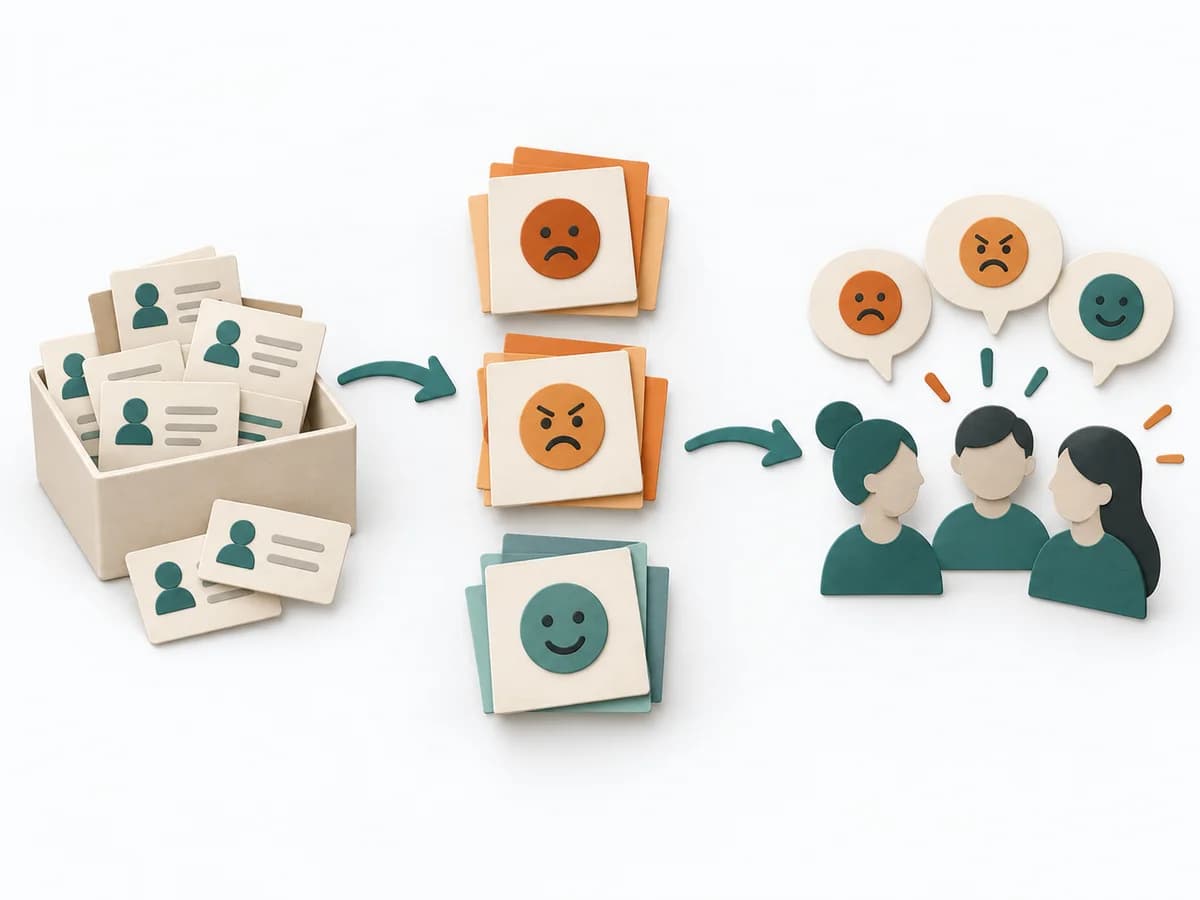 Agile Mad Sad Glad | 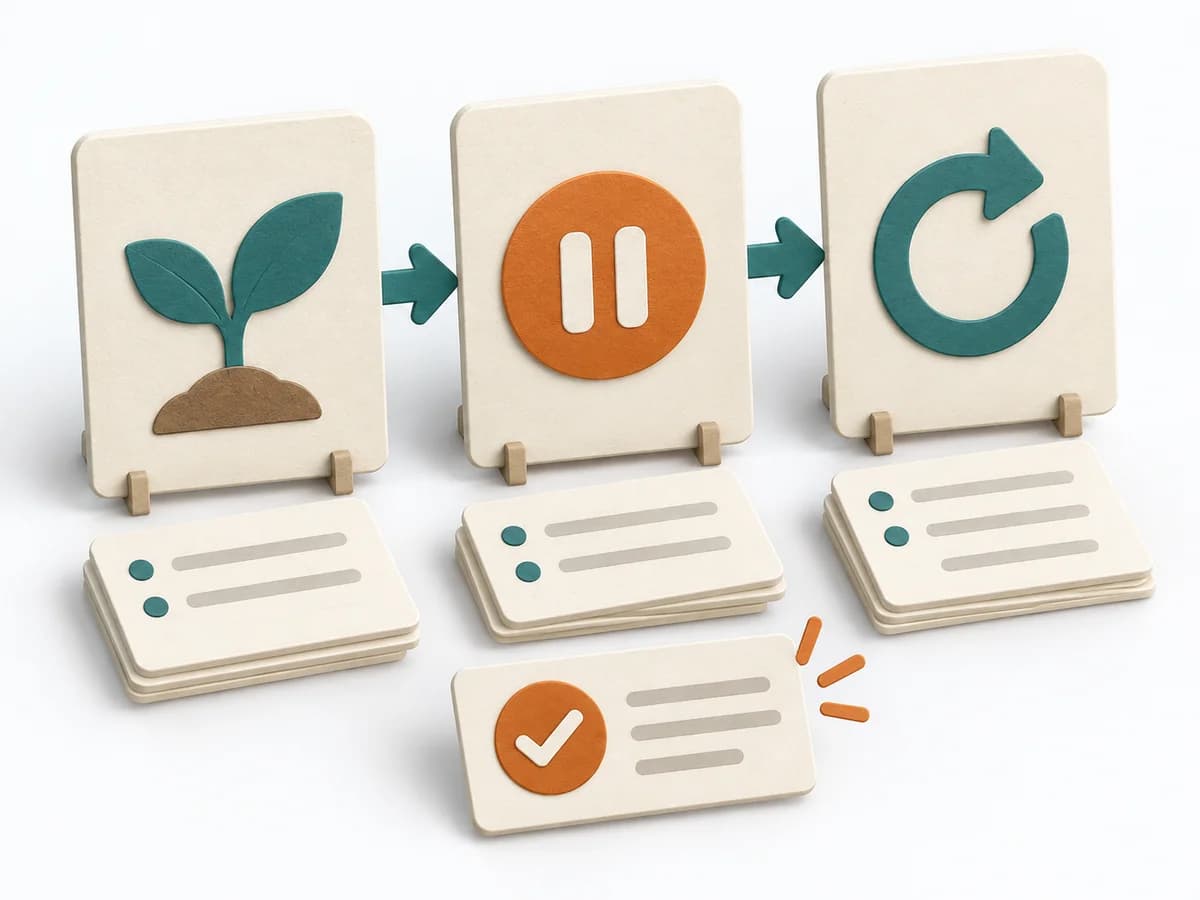 Agile Start Stop Continue | 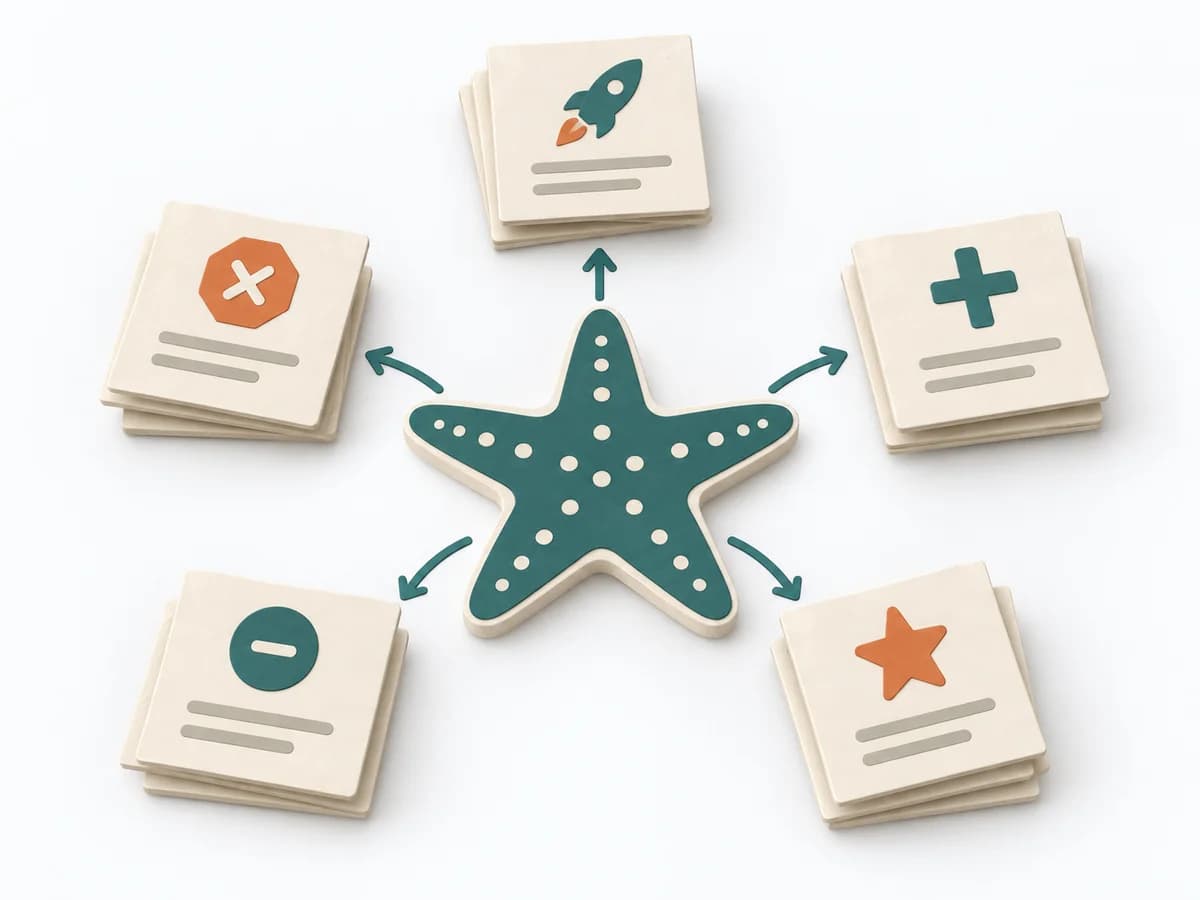 Agile Starfish Retrospective |
|---|---|---|---|---|
Purposedifferent | For decisions with follow-on paths and dependencies, a linear comparison is often not enough. A Decision Tree shows how options branch under conditions and which consequences hang on each branch. | When a team's or workshop's mood needs to become readable, it structures emotional signals with little setup. It makes strain, relief, and sources of energy tangible. | When a team wants to deliberately adjust its working behavior, it makes habits visible and assessable. It focuses on concrete changes instead of diffuse mood. | When improvement options need to be sorted more finely than just start and stop, it brings observations into clear kinds of action. This makes visible what should be done more, less, newly, or continued. |
Complexitydifferent | Medium | Low | Low | Low |
Timedifferent | 30-90 min | 30-60 min | 30-60 min | 45-90 min |
Participantsdifferent | 1-6 | 3-10 | 3-12 | 4-12 |
Formatdifferent | Workshop + async | Workshop | Workshop | Workshop |
Outputdifferent | Decision Tree, Option Map, Assumption List | Emotion Board, Themes, Action Items | Start Stop Continue Board, Improvement Actions | Starfish Board, Practice Changes, Experiments |
Tagsno overlap | DecisionTreeOptions | RetrospectiveTeamReflection | RetrospectiveImprovementTeamReflection | RetrospectiveImprovementExperimentsTeam |