View methods side by side.
Choose up to four methods. Add them using the search and share the comparison by copying its link.
| Criterion | 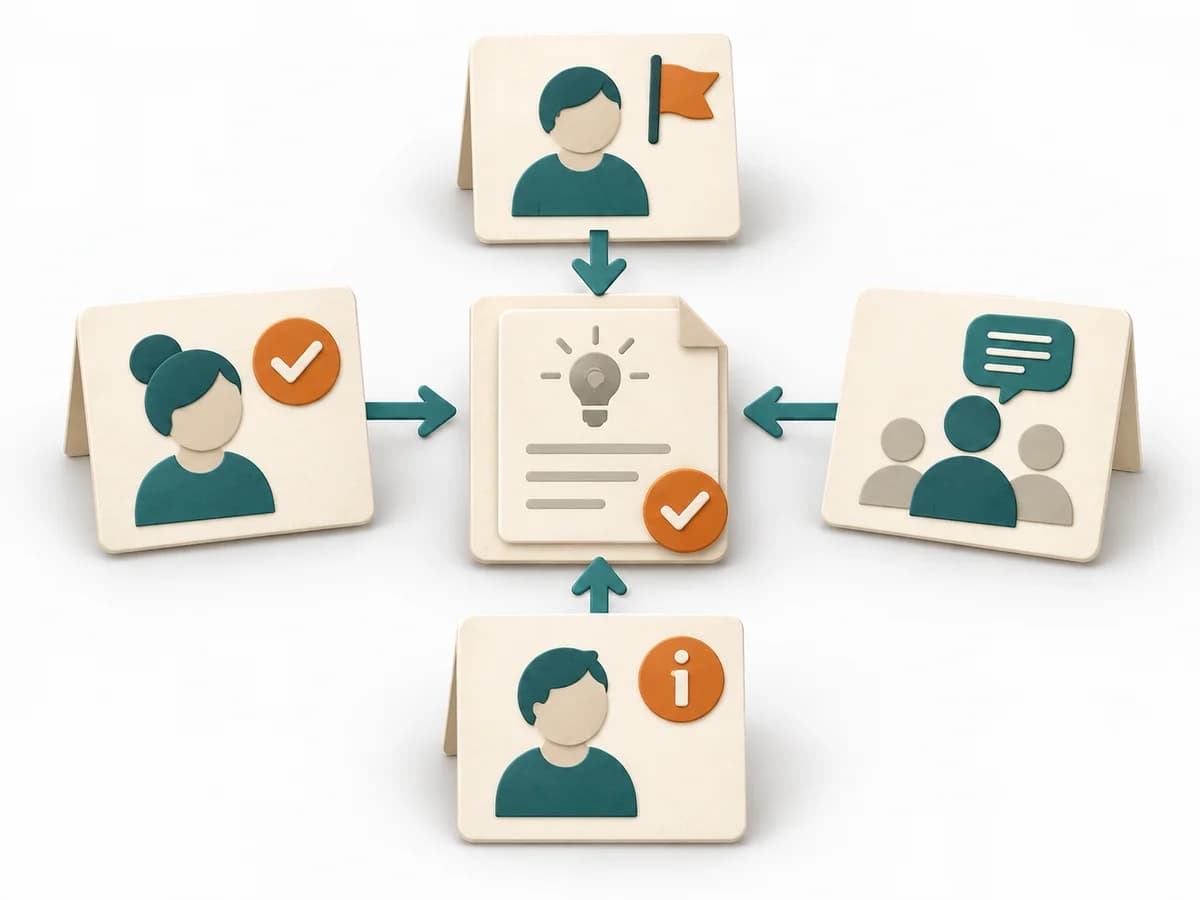 Decision Making DACI |  Operations Root Cause Analysis | 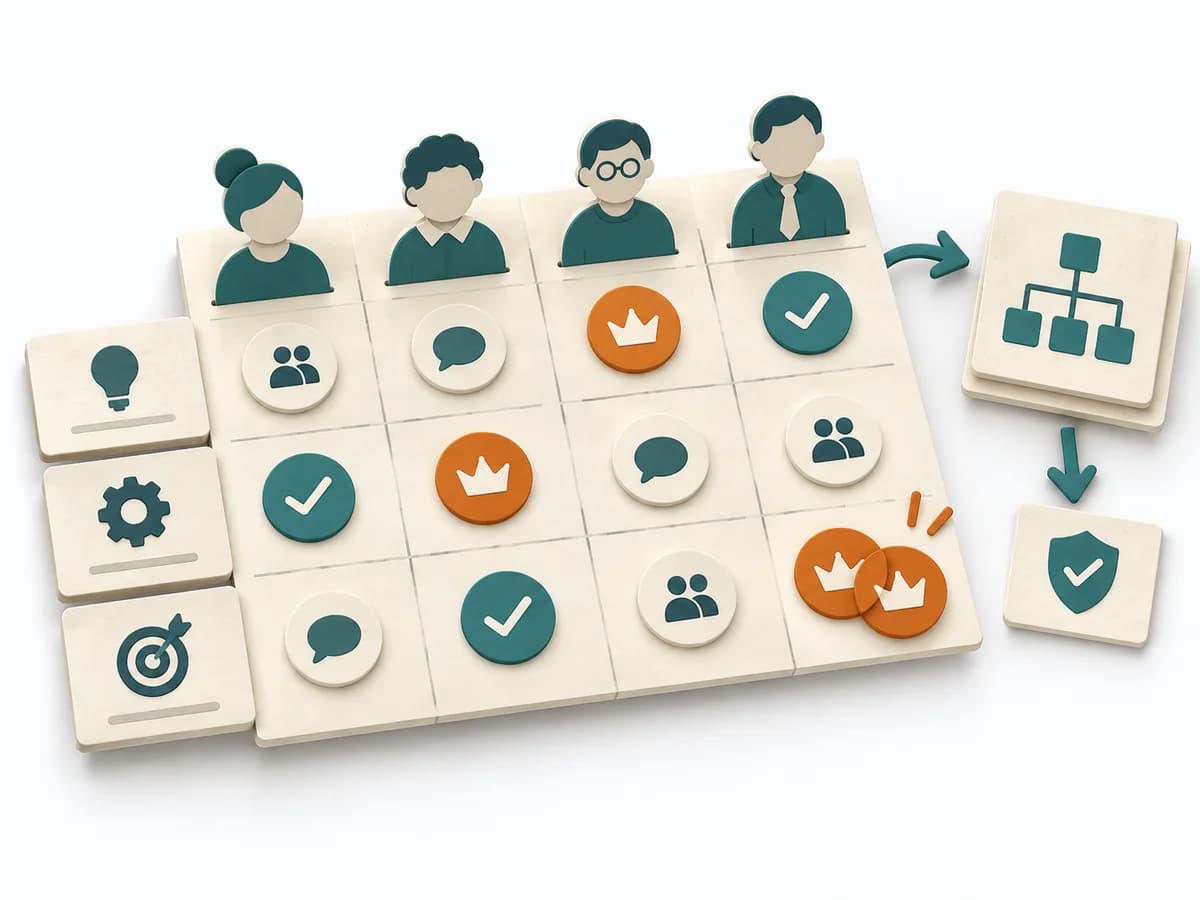 Decision Making Decision Rights Mapping |  Operations 5 Whys |
|---|---|---|---|---|
Purposedifferent | In cross-functional decisions, responsibilities quickly blur between approval, influence, and execution. DACI arranges these roles so decision pressure, contribution, and information stay cleanly separated. | When a problem keeps recurring and the cause stays unclear, the method exposes the underlying mechanism. It separates symptom, guess, and robust explanation from one another. | In organizations with many stakeholders, it often blurs who actually decides and who is merely consulted. It separates options, evaluation criteria, and open risks. The result is captured as a Decision Rights matrix and an agreement. | For a single, hard-to-explain deviation, the method exposes the causal chain behind the visible symptom. It keeps the cause open until a controllable condition emerges instead of a mere description. |
Complexitydifferent | Low | Medium | Medium | Low |
Timedifferent | 30-60 min | 1-4 h | 90-180 min | 15-30 min |
Participantsdifferent | 2-10 | 3-8 | 4-12 | 2-6 |
Formatdifferent | Workshop + async | Workshop + async | Workshop | Workshop |
Outputdifferent | DACI Matrix, Decision Owner, Decision Log | Problem Statement, Cause Hypotheses, Confirmed Causes, Action Plan | Decision Rights Matrix, Agreement | Root cause notes, Countermeasures |
Tagsno overlap | DecisionRolesGovernanceAlignment | Root causeProblem solvingQualityIncident | DecisionGovernanceAlignmentResponsibility | Root causeIncidentLeanProblem solving |