View methods side by side.
Choose up to four methods. Add them using the search and share the comparison by copying its link.
Selected:Customer Journey CanvasStakeholder MappingCommunication PlanArchitecture Communication Canvas
| Criterion | 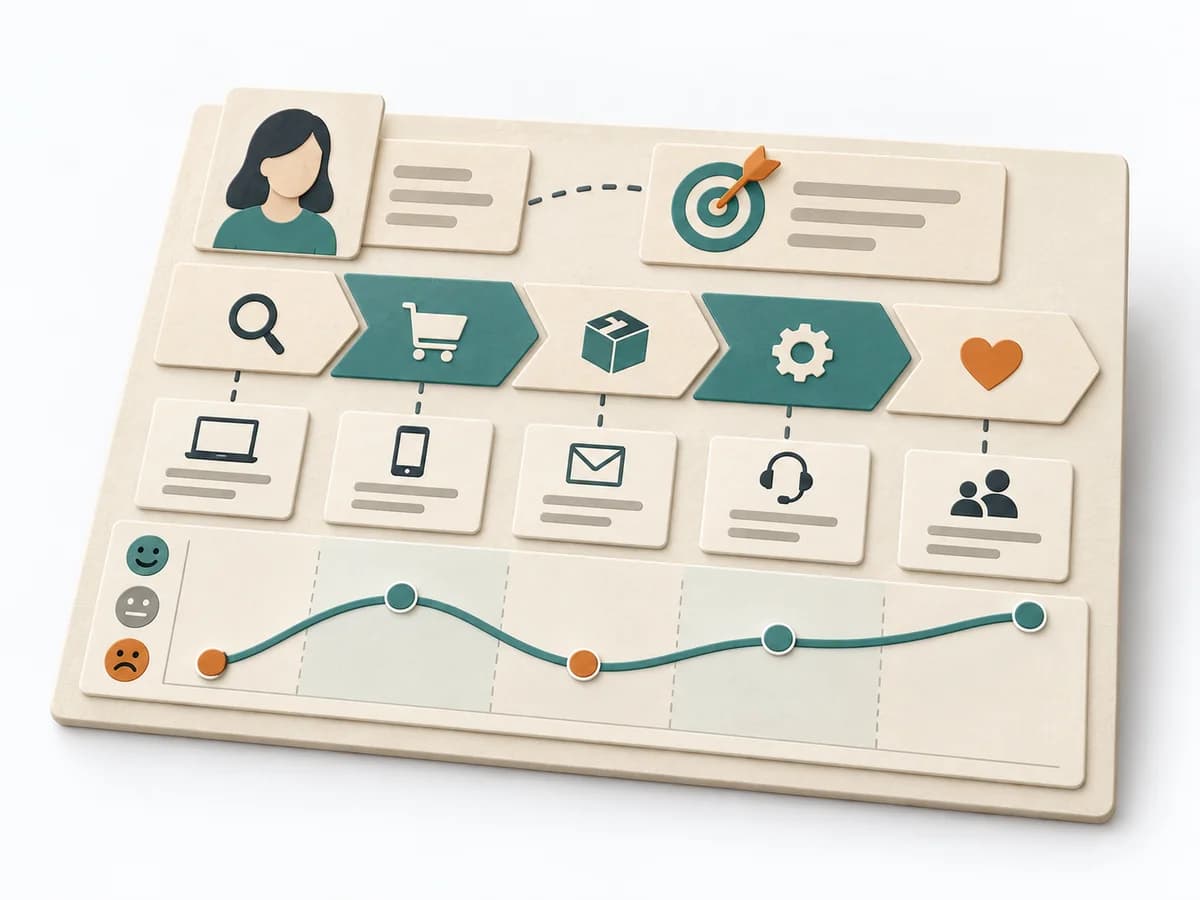 UX Design Customer Journey Canvas |  Facilitation Stakeholder Mapping | 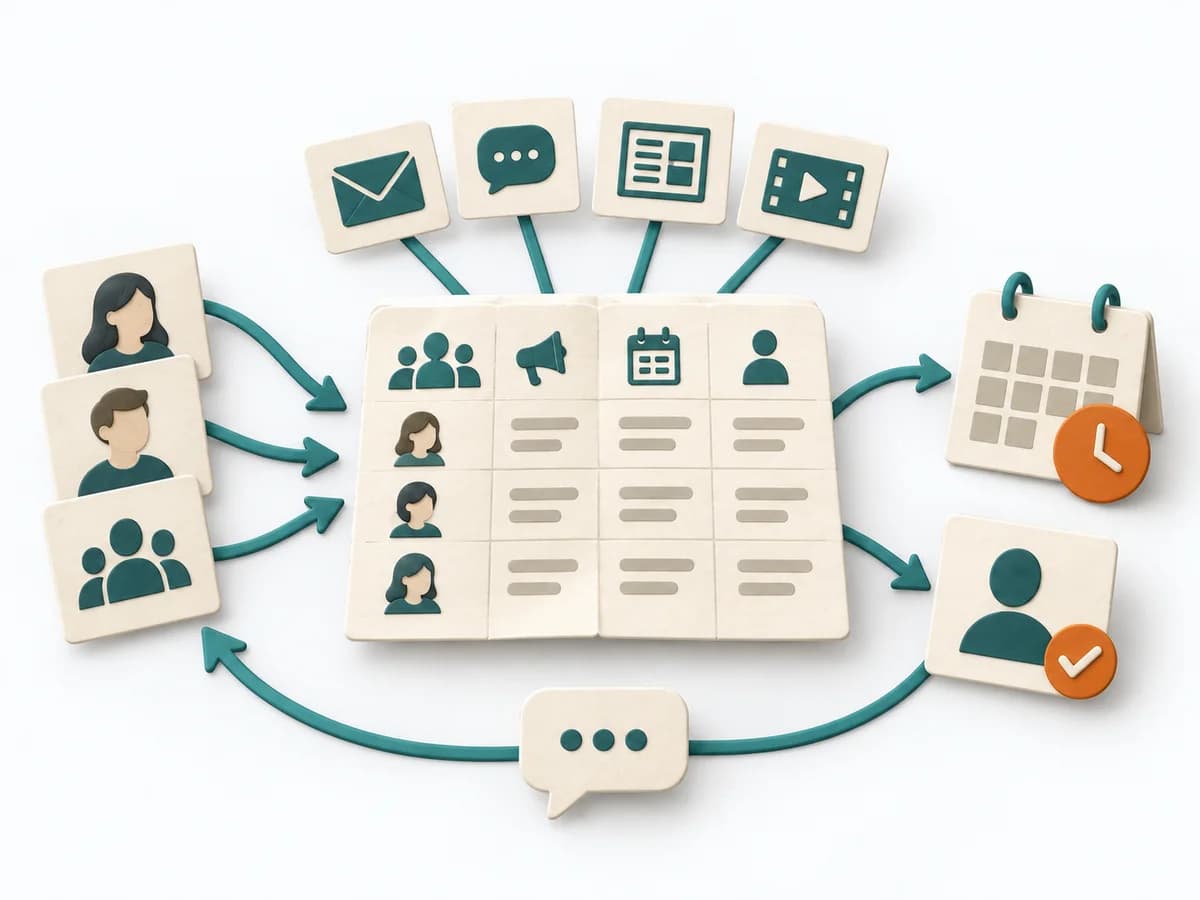 Delivery Communication Plan |  Architecture Architecture Communication Canvas |
|---|---|---|---|---|
Purposedifferent | When a journey needs to be understood across several phases, it arranges experience, touchpoints, and opportunities into one picture. It makes gaps and friction along the user path clear. | When an initiative depends on many people, interests, and power dynamics, Stakeholder Mapping systematically orders the environment. It shows who influences, who is affected, and where relationship management or safeguarding matters first. | When many people need to be informed in parallel and messages would otherwise arrive unevenly or too late, a Communication Plan orders communication reliably. Channels, audiences, and cadences interlock so important information doesn't get lost. | The Architecture Communication Canvas plans architecture communication so the right people receive the right message. The method turns technical complexity into deliberate communication design. |
Complexitydifferent | Medium | Low | Low | Medium |
Timedifferent | 1-3 h | 60–90 min | 45-90 min | 60-120 min |
Participantsdifferent | 3-10 | 2-8 | 2-6 | 2-8 |
Formatdifferent | Workshop | Workshop + async | Workshop + async | Workshop + async |
Outputdifferent | Customer Journey Canvas, Pain Points, Experience Opportunities | Stakeholder Map, Engagement Plan, Risk Notes | Communication Plan, Channel Matrix, Message Cadence | Communication Canvas, Stakeholder Messages, Architecture Communication Plan |
Tagsno overlap | JourneyCustomerService designCanvas | StakeholdersAlignmentFacilitationChange | CommunicationStakeholdersDeliveryPlanning | ArchitectureCommunicationStakeholdersCanvas |