View methods side by side.
Choose up to four methods. Add them using the search and share the comparison by copying its link.
| Criterion | 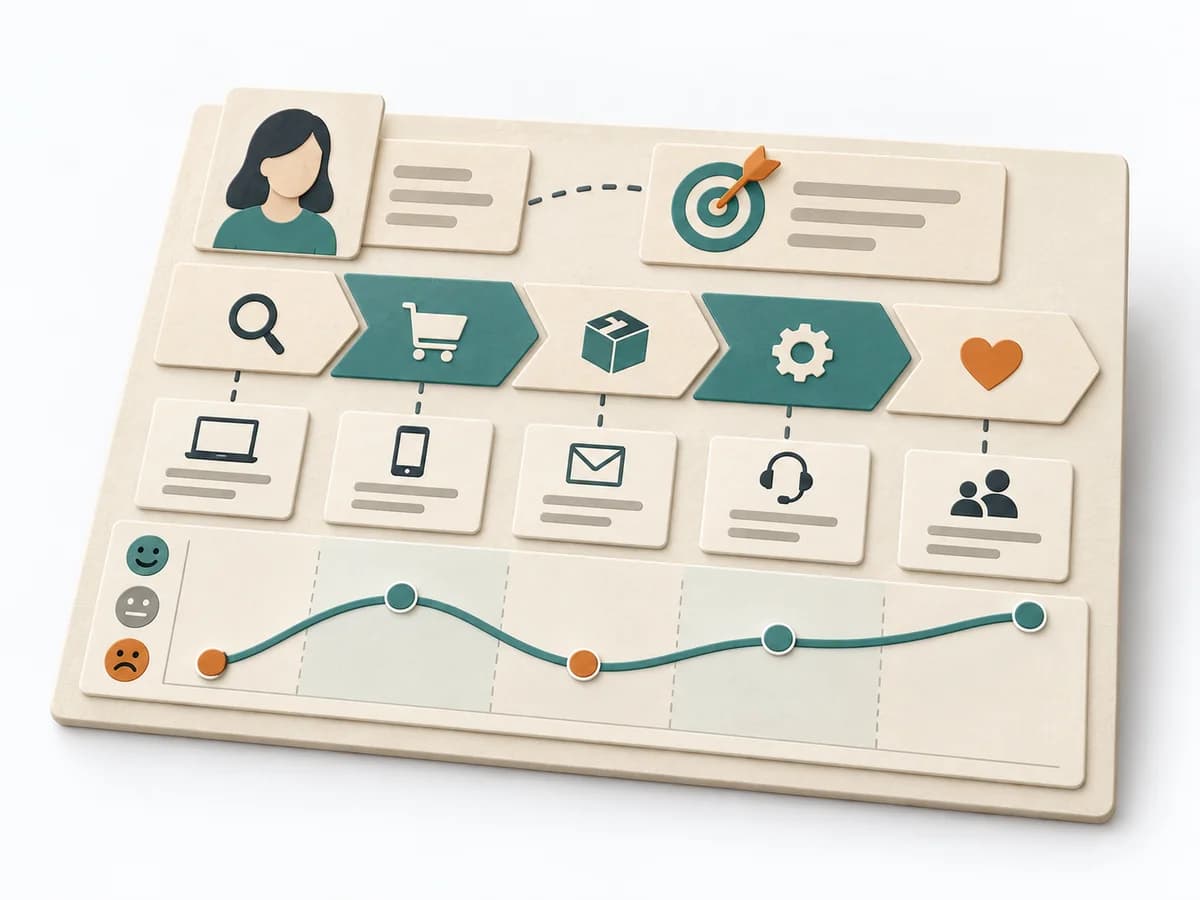 UX Design Customer Journey Canvas |  Systems Thinking Leverage Points | 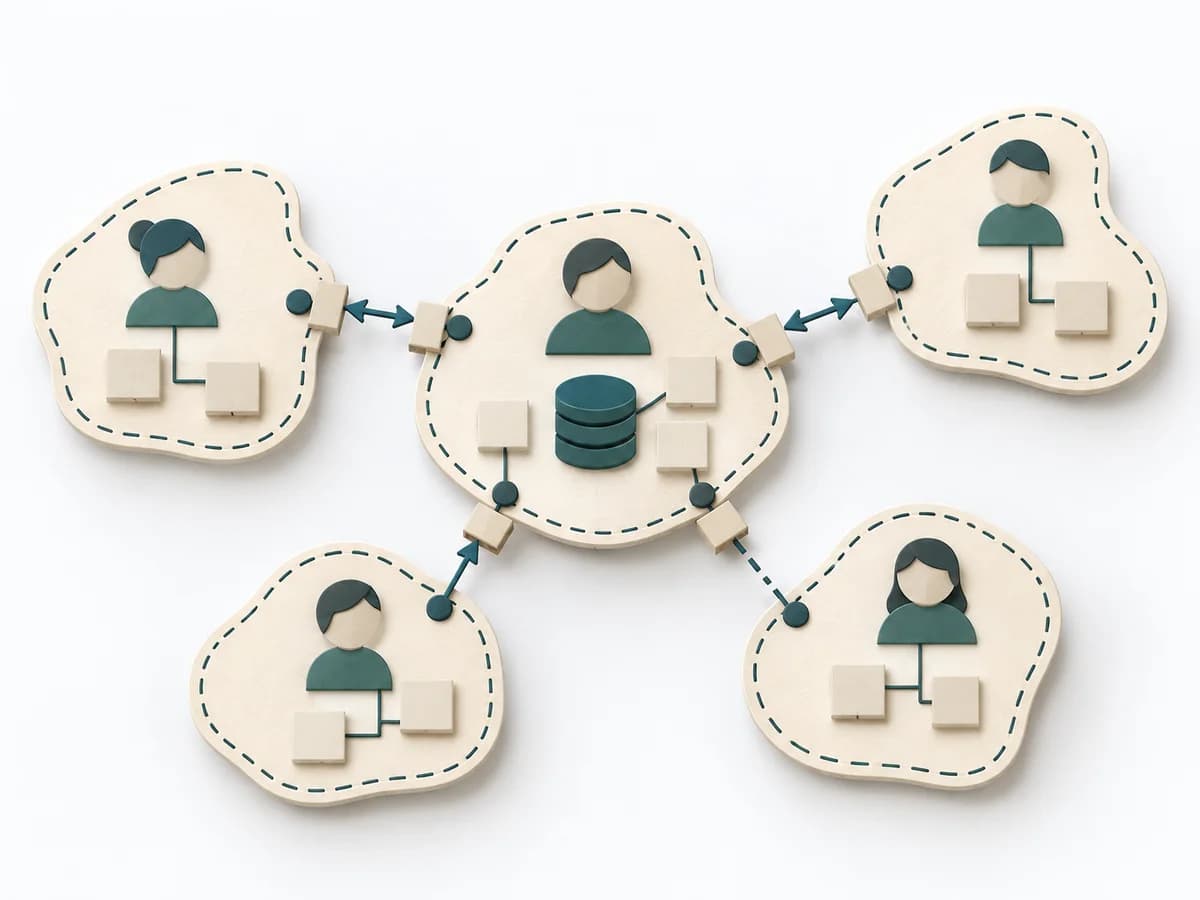 Domain Modeling Domain Context Map | 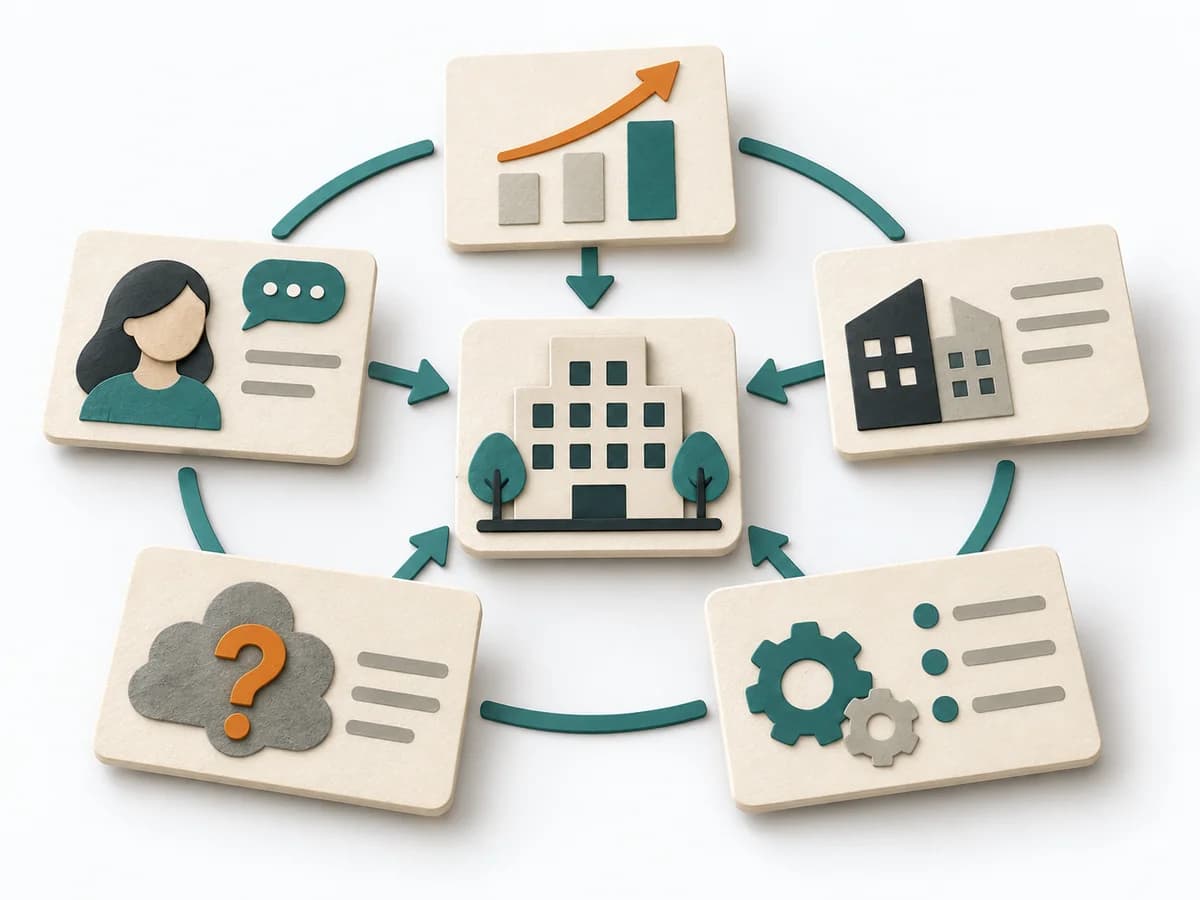 Product Discovery Context Canvas |
|---|---|---|---|---|
Purposedifferent | When a journey needs to be understood across several phases, it arranges experience, touchpoints, and opportunities into one picture. It makes gaps and friction along the user path clear. | Leverage Points show exactly where interventions in a system produce a disproportionate effect. It draws relationships, patterns, and feedback loops. The result is captured as a leverage map and action strategy. | When a domain model and its associated contexts need to be thought through together, it creates a shared overview. It connects the business view and organizational boundary into a readable whole. | When an environment of users, systems, and constraints is hard to grasp, it puts the context compactly on the table. It creates a clear reading of influence, boundary, and dependency. |
Complexitydifferent | Medium | High | Medium | Low |
Timedifferent | 1-3 h | Half day | 1-3 h | 45-90 min |
Participantsdifferent | 3-10 | 3-12 | 3-10 | 3-10 |
Formatsame | Workshop | Workshop | Workshop | Workshop |
Outputdifferent | Customer Journey Canvas, Pain Points, Experience Opportunities | Leverage Map, Action Strategy | Domain Context Map, Boundary Notes, Ownership Map | Context canvas, Open questions, Shared context notes |
Tagsno overlap | JourneyCustomerService designCanvas | Systems thinkingChangeStrategy | Domain-Driven DesignContextBoundaries | ContextFramingRequirementsCanvas |