View methods side by side.
Choose up to four methods. Add them using the search and share the comparison by copying its link.
| Criterion | 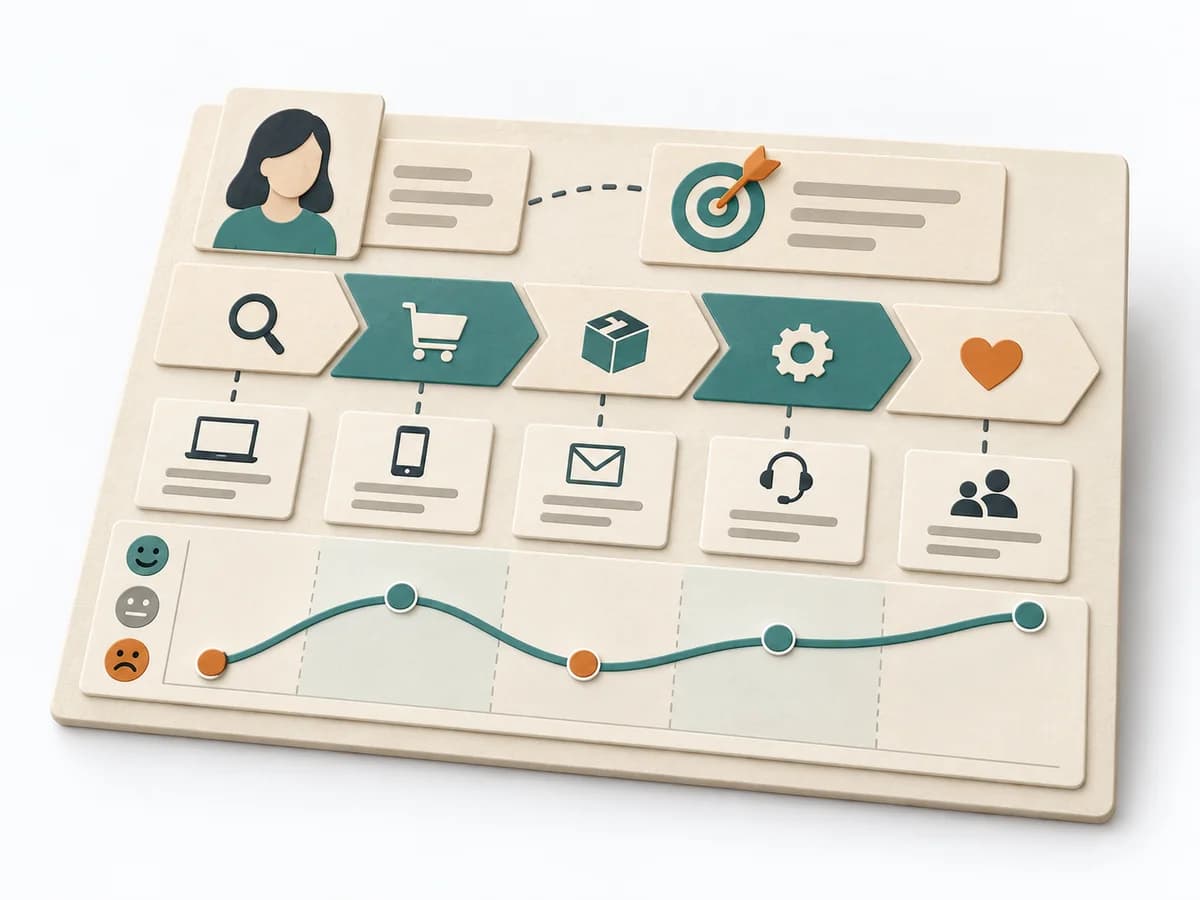 UX Design Customer Journey Canvas | 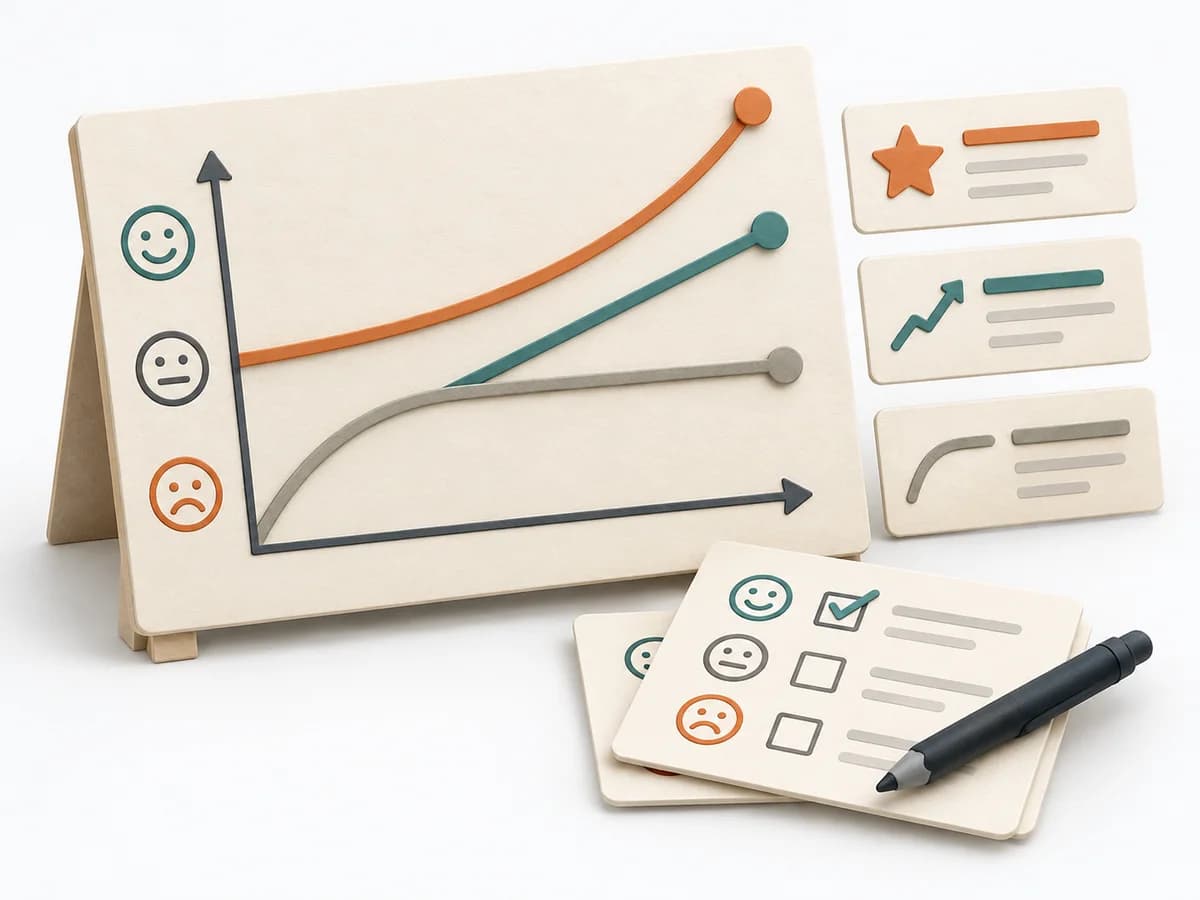 Product Discovery Kano Model |  Operations After-Action Review | 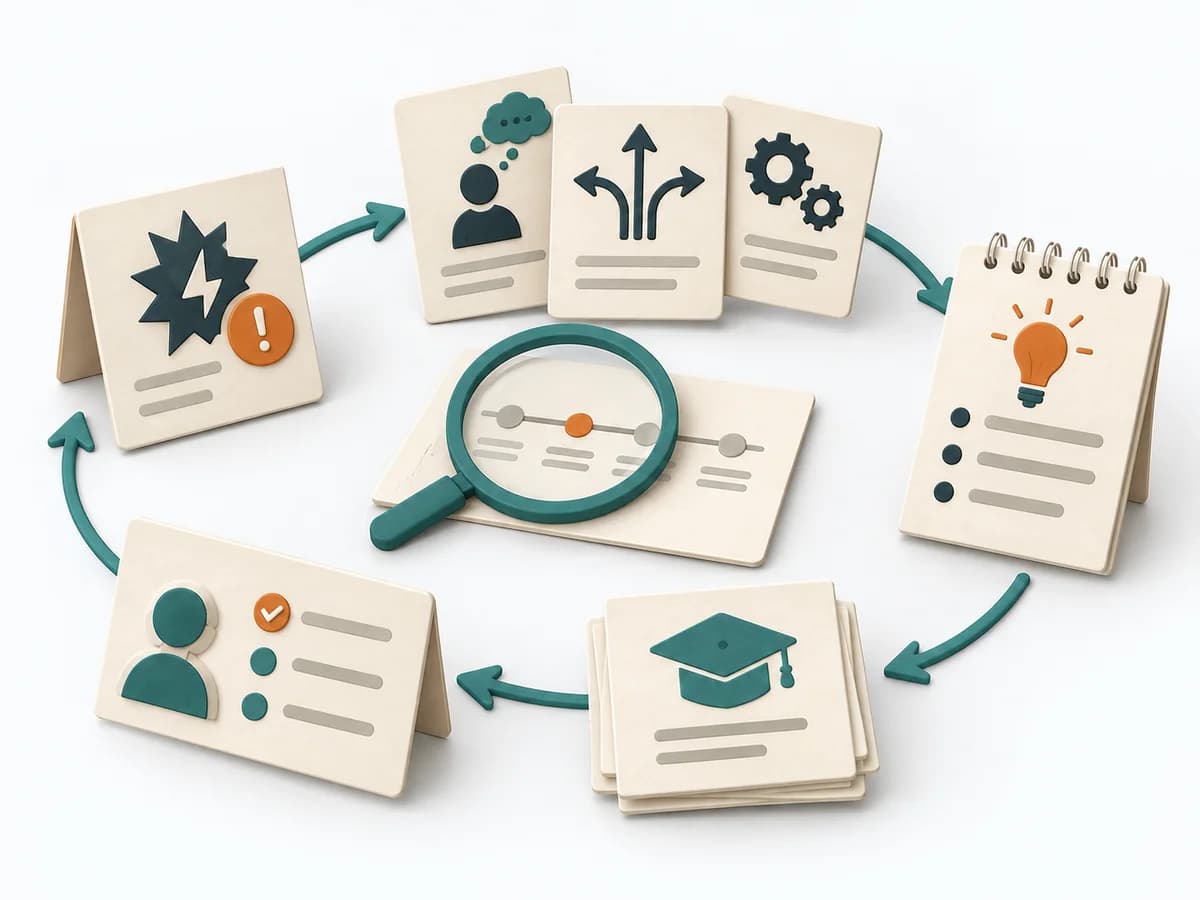 Operations Learning Review |
|---|---|---|---|---|
Purposedifferent | When a journey needs to be understood across several phases, it arranges experience, touchpoints, and opportunities into one picture. It makes gaps and friction along the user path clear. | When features need to be distinguished by their effect on satisfaction, it makes expectations and surprises comparable. It separates basic needs, performance contribution, and delight. | After missions or project phases with unclear outcomes, the method makes visible what actually happened and what can be learned from it. It separates course, effect, and causes so experience turns into solid improvement. | After a project phase with mixed results, the method makes learning from the individual case reusable. It connects events, decisions, and systemic conditions into robust insights. |
Complexitydifferent | Medium | Medium | Low | Medium |
Timedifferent | 1-3 h | 1-2 Tage | 20-45 min | 1-3 h |
Participantsdifferent | 3-10 | 10-50 | 3-12 | 3-10 |
Formatdifferent | Workshop | Workshop + async | Workshop + async | Workshop |
Outputdifferent | Customer Journey Canvas, Pain Points, Experience Opportunities | Kano Matrix, Feature Classes, Priority Themes | Lessons learned, Action items, Event summary | Learning Review Notes, System Factors, Improvement Actions |
Tagsno overlap | JourneyCustomerService designCanvas | SatisfactionPrioritizationCustomer | LearningOperationsImprovement | LearningRetrospectiveIncidentOperations |