View methods side by side.
Choose up to four methods. Add them using the search and share the comparison by copying its link.
| Criterion |  Systems Thinking Current Reality Tree |  Innovation Brainwriting |  Operations Barrier Analysis | 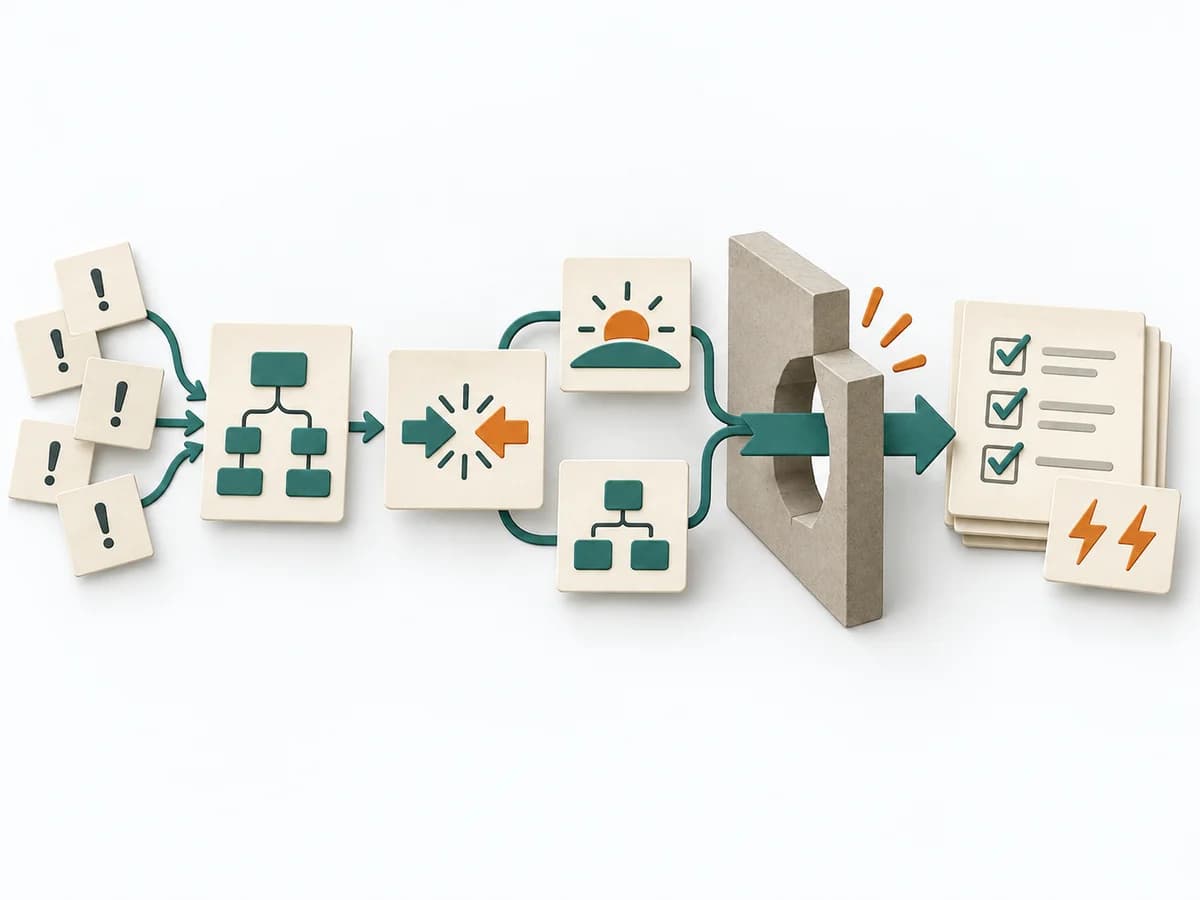 Systems Thinking Theory of Constraints Thinking Process |
|---|---|---|---|---|
Purposedifferent | A Current Reality Tree condenses many symptoms into a few causal chains. The method makes visible which core problems drive several negative effects at once. | When loud voices or hierarchy distort the idea search, the method creates a quiet entry into joint development. It gives everyone thinking space and gathers contributions without social brakes, making diversity more visible and easier to build on. | For a risk that can only be managed through multiple layers of protection, the method examines the effectiveness of each barrier. It shows where safeguards are missing, too weak, or fail under real conditions. | The Theory of Constraints Thinking Process exposes a system's bottleneck and the logic behind it. It suits situations where many symptoms trace back to the same limiting relationship. |
Complexitydifferent | High | Low | Medium | High |
Timedifferent | 2-6 h | 15-30 min | 2-4 h | 0.5-3 Tage |
Participantsdifferent | 3-8 | 3-12 | 2-6 | 4-10 |
Formatdifferent | Workshop | Workshop + async | Workshop + async | Workshop |
Outputdifferent | Current Reality Tree, Core Problems, Intervention Ideas | Idea sheets, Expanded concepts, Prioritized list | Barrier Inventory, Failure Analysis per Barrier, Action Backlog | Current Reality Logic, Conflict Cloud, Future Reality Tree, Implementation Obstacles |
Tagsno overlap | Systems thinkingRoot causeConstraintsCausality | BrainstormingCollaborationInclusionIdeas | Root causeSafetyIncident | Theory of ConstraintsConstraintsSystems thinkingCausality |