View methods side by side.
Choose up to four methods. Add them using the search and share the comparison by copying its link.
| Criterion | 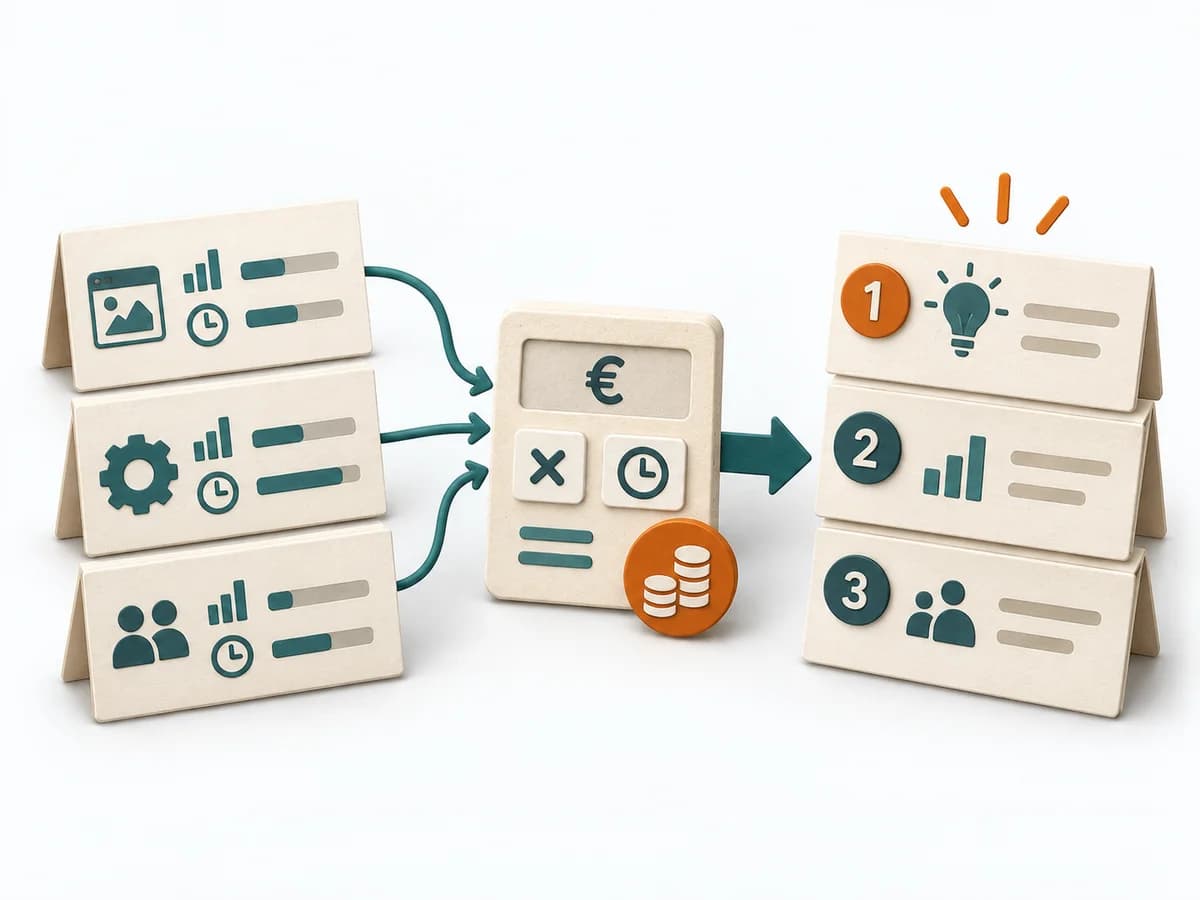 Delivery Cost of Delay | 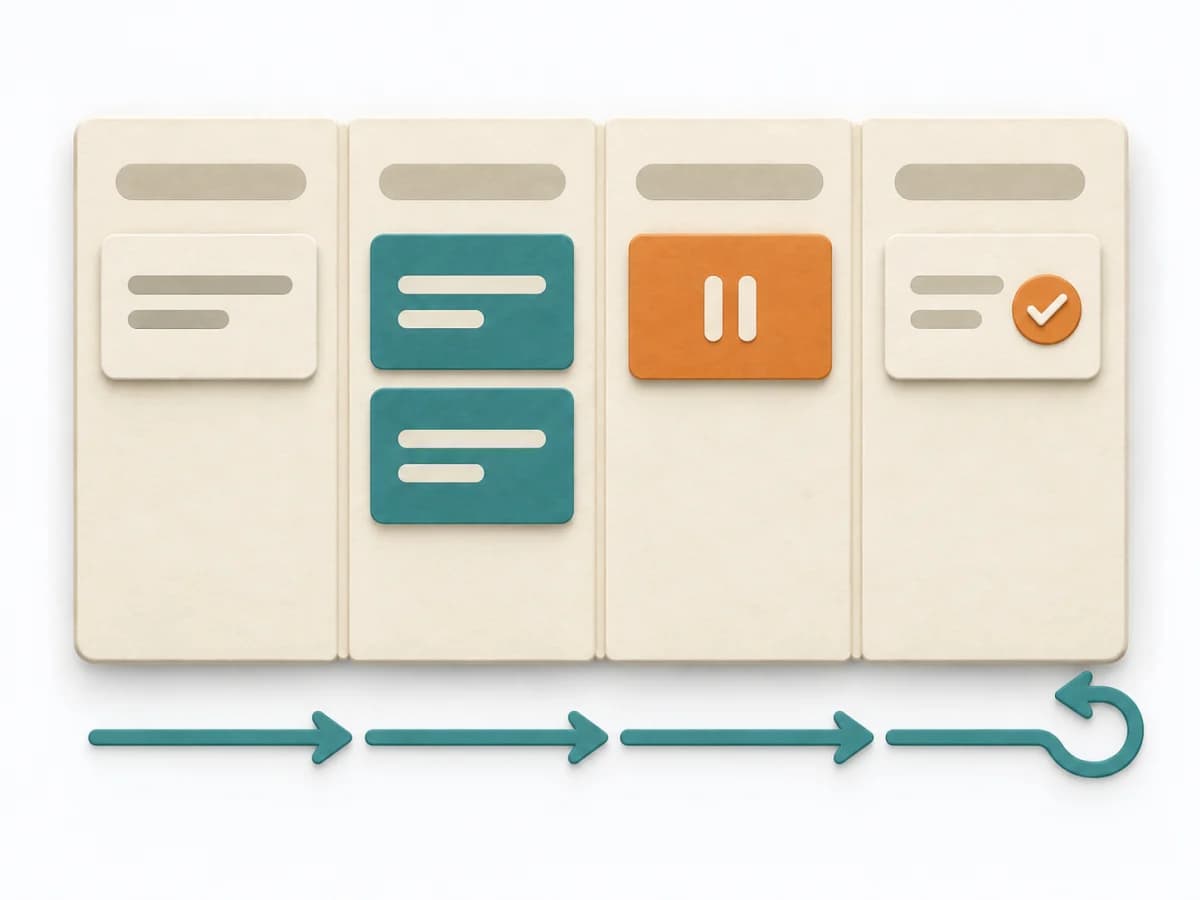 Engineering Kanban |  Decision Making Force Field Analysis |  Product Strategy DIBB |
|---|---|---|---|---|
Purposedifferent | Helps clarify scope, order, and delivery flow in concrete terms. It makes work, constraints, and sequence manageable. The result is captured as a Cost of Delay table and prioritization sequence. | When work sits in too many parallel streams, throughput suffers and no one sees the bottlenecks. Kanban makes the flow of work visible and limits overload so a system becomes calmer and more predictable. | In change initiatives, supporting and restraining forces sit at the table at the same time. Force Field Analysis makes these tensions explicit and shows where change can be pushed forward by strengthening or relieving. | DIBB helps clarify target groups, value, goals, and priorities by making the logic behind a decision explicit. It captures results as a DIBB document, belief list, bet list, and learning report. |
Complexitydifferent | High | Medium | Low | Low |
Timedifferent | 90-180 min | Ongoing | 45-90 min | 1-2 h |
Participantsdifferent | 3-8 | 2-12 | 3-12 | 2-8 |
Formatdifferent | Workshop | Workshop + async | Workshop | Workshop + async |
Outputdifferent | CoD Table, Prioritization Sequence | Kanban board, WIP policies, Flow metrics | Force Field Map, Change Levers, Risk Notes | DIBB document, Belief list, Bet list, Learning report |
Tagsno overlap | PrioritizationDeliveryEconomicsDecision | FlowVisual managementDelivery | ChangeDecisionStrategy | StrategyDecisionAssumptionsHypothesis |