View methods side by side.
Choose up to four methods. Add them using the search and share the comparison by copying its link.
| Criterion | 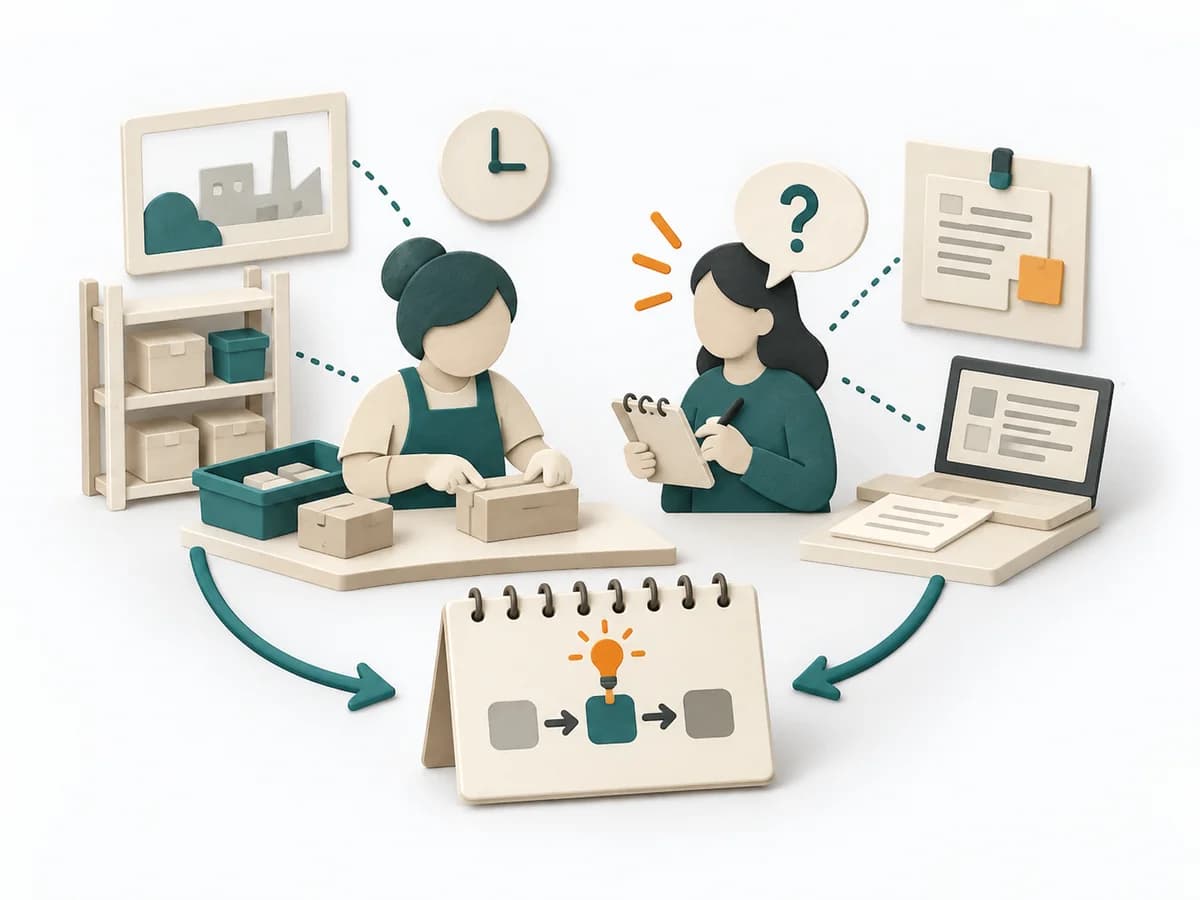 UX Research Contextual Inquiry | 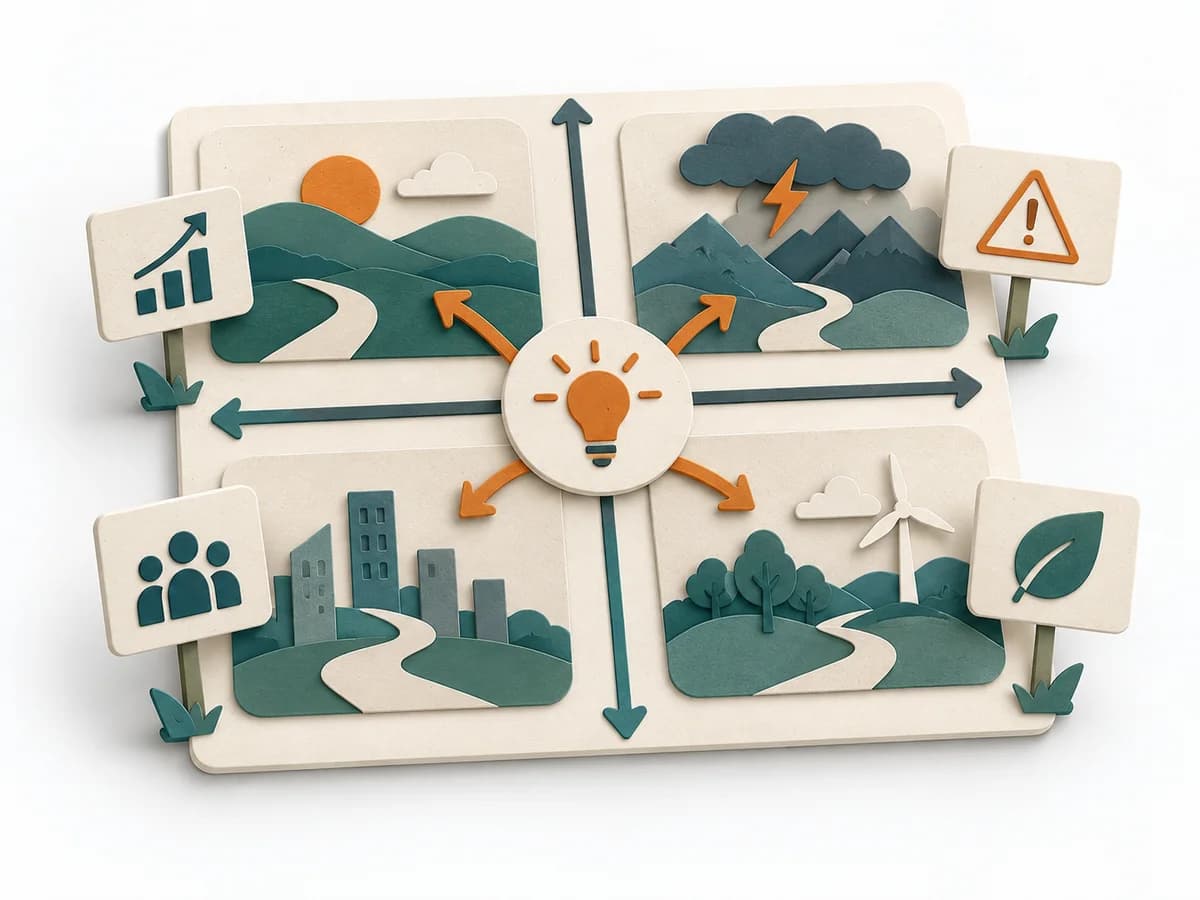 Business Strategy Scenario Planning | 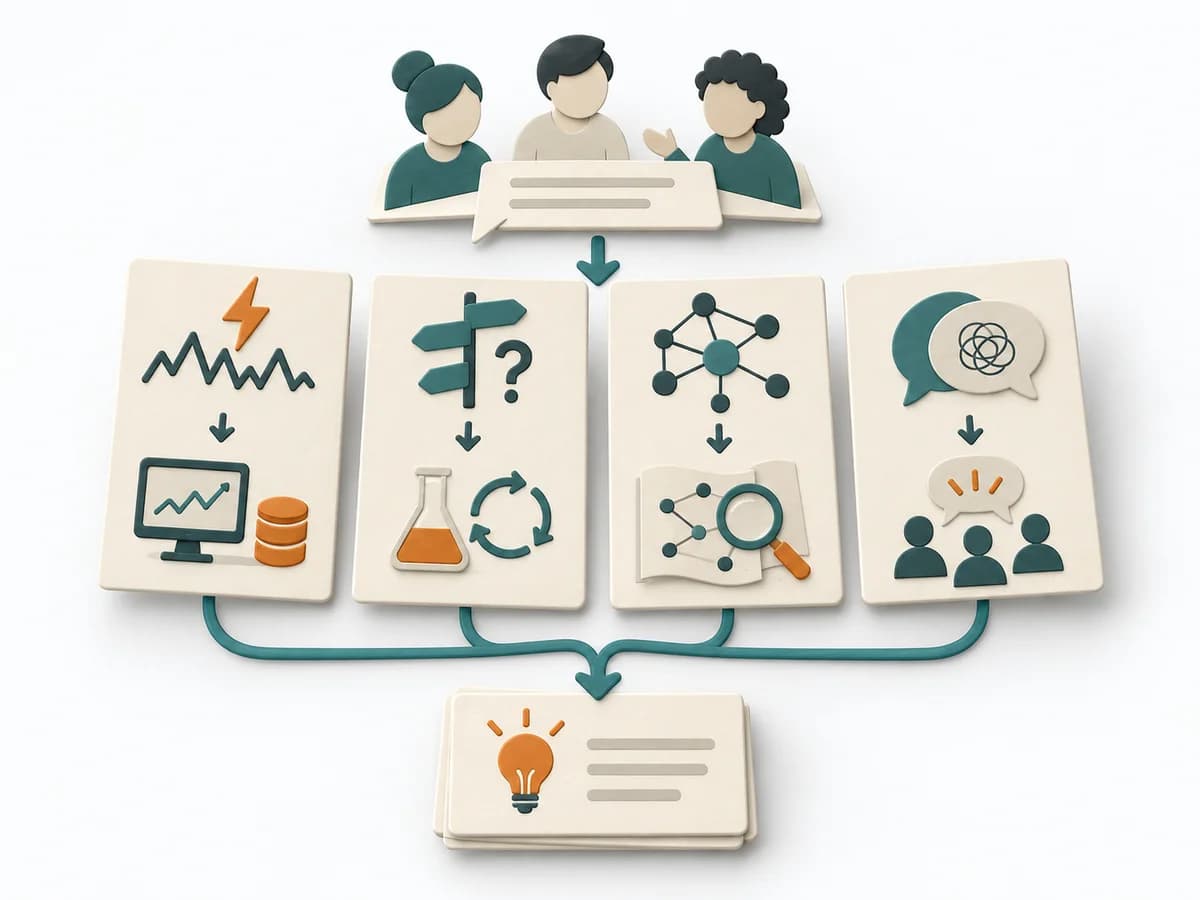 Systems Thinking VUCA Scan | 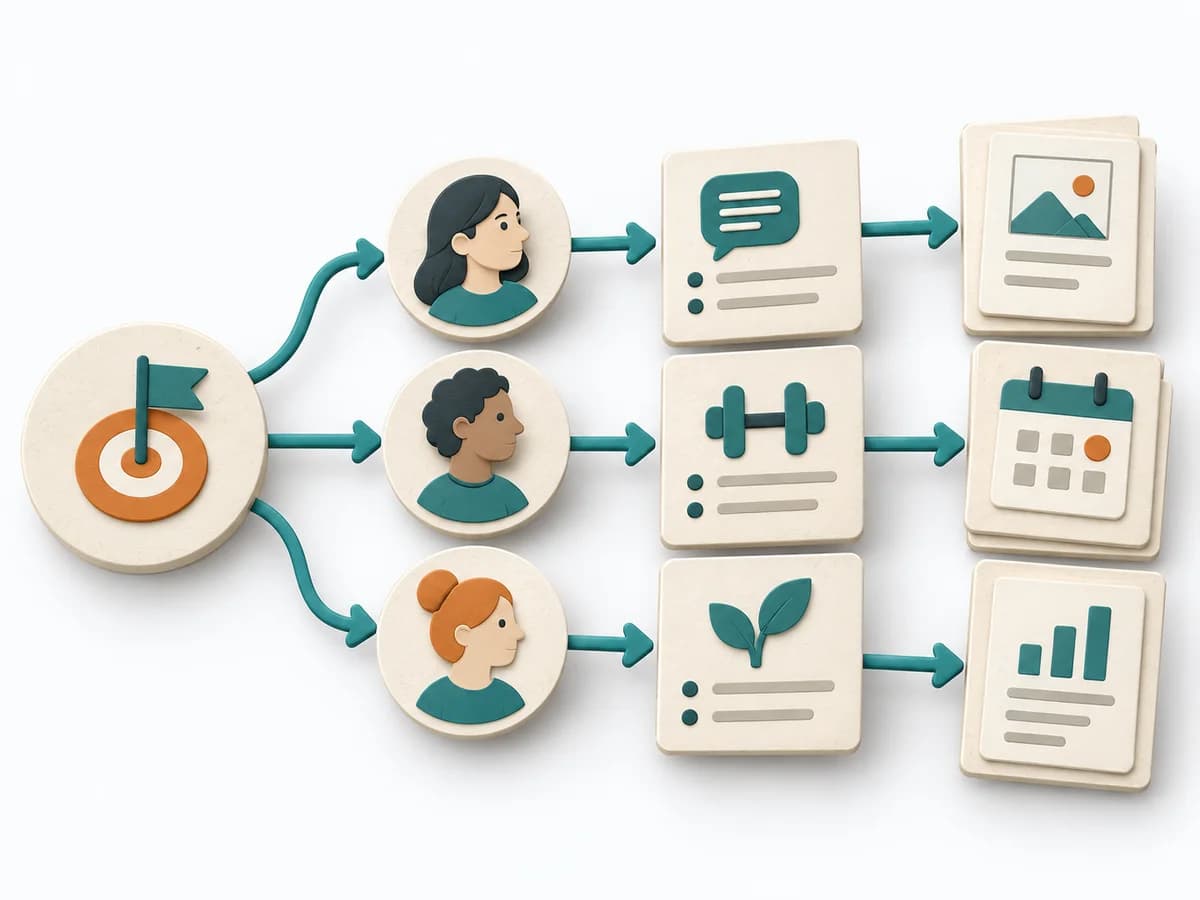 Product Strategy Impact Mapping |
|---|---|---|---|---|
Purposedifferent | When work processes are known only from accounts and the real context stays hidden, Contextual Inquiry makes behavior at the workplace visible. Observation and follow-up questions together show how people actually work, get interrupted, and improvise. | Scenario Planning opens the view to several plausible futures instead of a single forecast. The method protects strategies from depending on too narrow an expected path. | The VUCA Scan helps read difficult situations more precisely. Instead of treating unclarity as generally complicated, the method separates fast change, missing knowledge, systemic entanglement, and ambiguous interpretation. | When a goal needs to be connected to several possible paths, it shows chains of impact instead of feature lists. It connects business goal, behavior change, and measures. |
Complexitydifferent | Medium | High | Low | Medium |
Timedifferent | 1-3 Wochen | 0.5-2 Tage | 30-90 min | 45-90 min |
Participantsdifferent | 4-12 Beobachtungen | 4-12 | 1-10 | 3-8 |
Formatdifferent | Workshop + async | Workshop | Workshop + async | Workshop |
Outputdifferent | Field Notes, Workflow Insights, Pain Points | Scenario Set, Strategic Implications, Robust Options | VUCA Map, Response Options, Signal and Learning Plan | Impact Map, Outcome Hypotheses, Delivery Options |
Tagsno overlap | UX researchObservationContext | StrategyUncertaintyPlanning | SensemakingUncertaintyComplexityStrategyForesight | OutcomesStrategyBehaviorPlanning |