View methods side by side.
Choose up to four methods. Add them using the search and share the comparison by copying its link.
| Criterion | 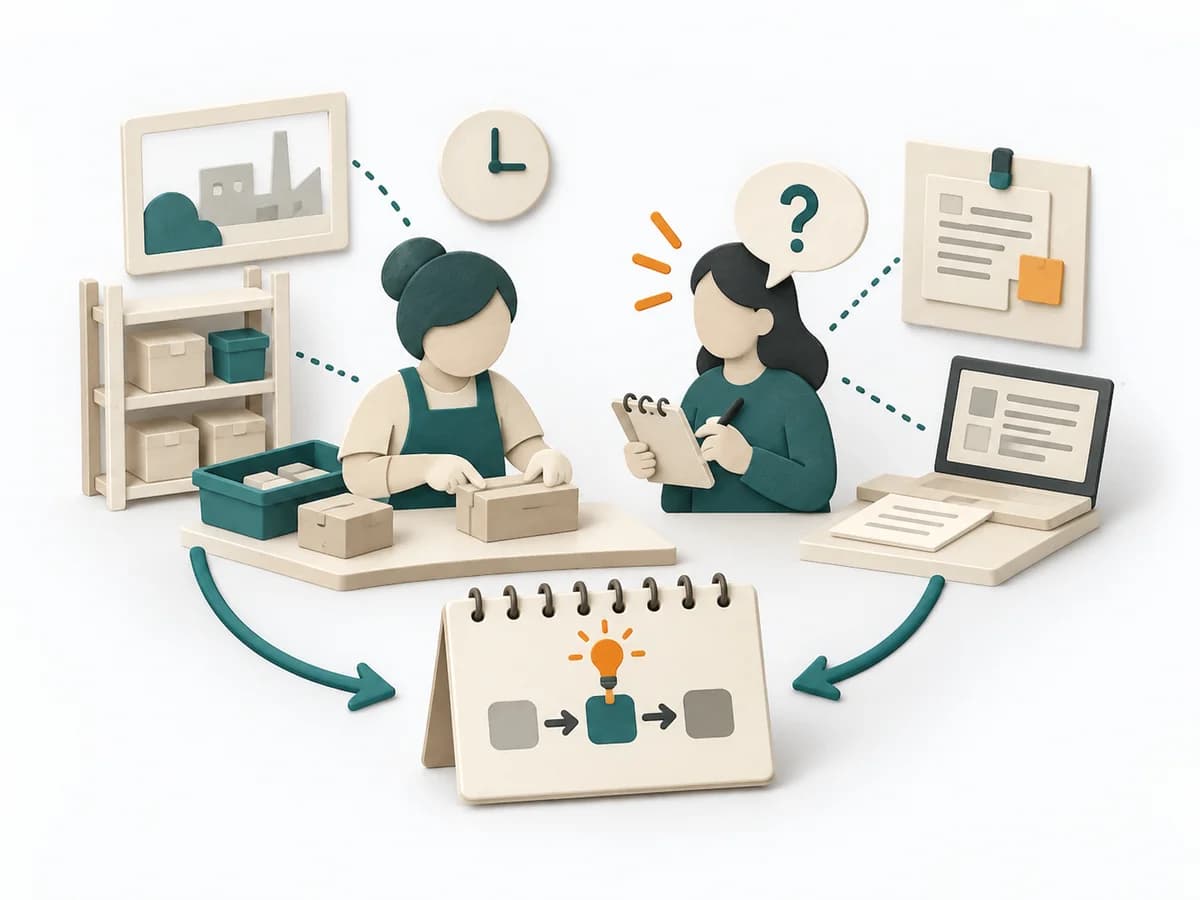 UX Research Contextual Inquiry | 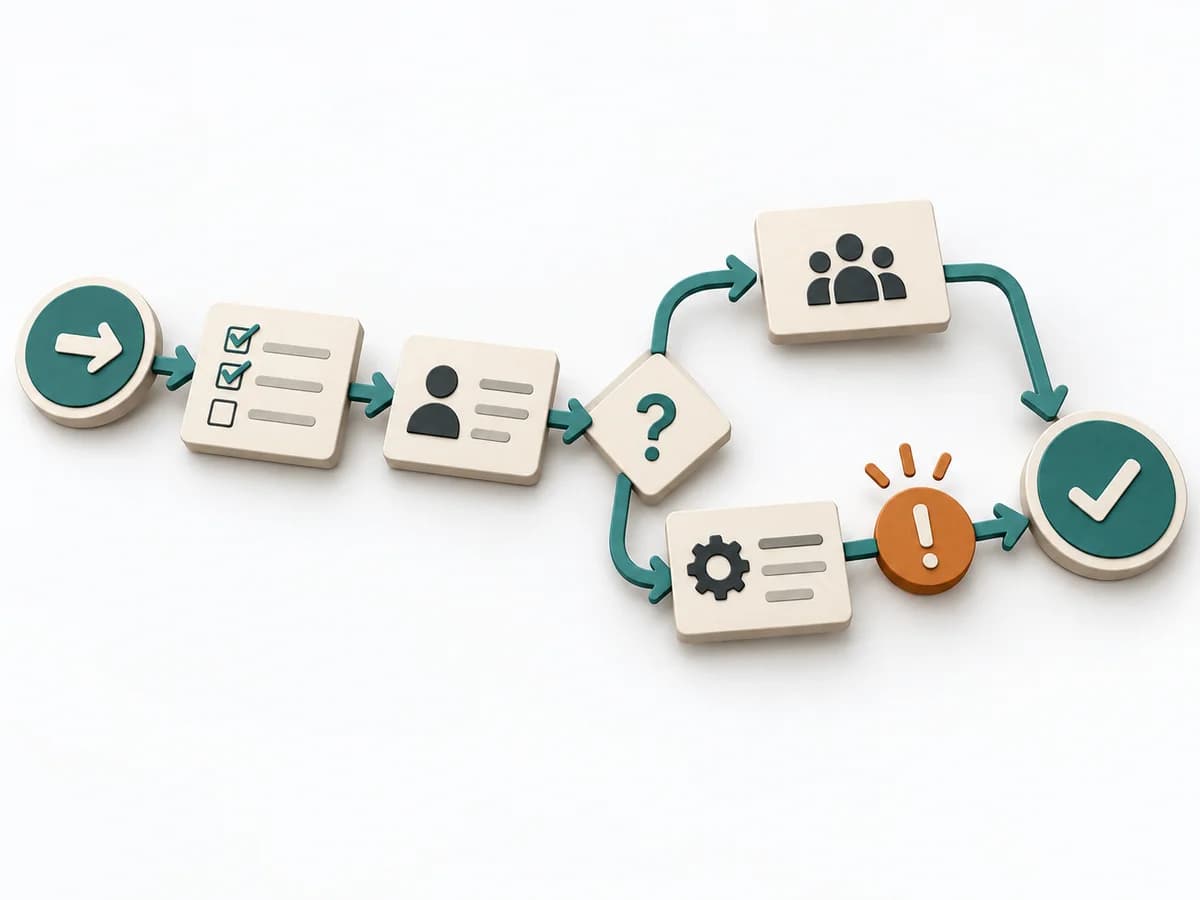 Operations Process Mapping | 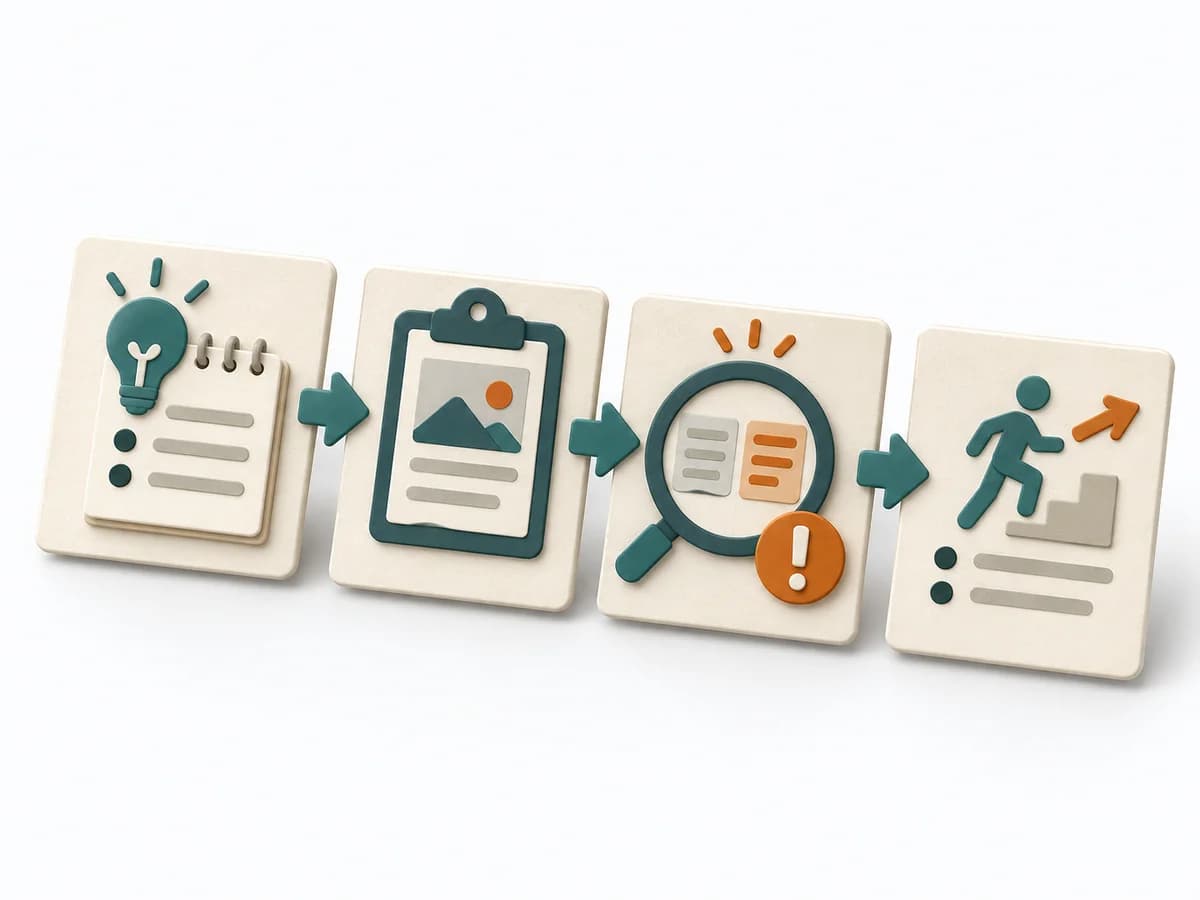 Operations After-Action Review | 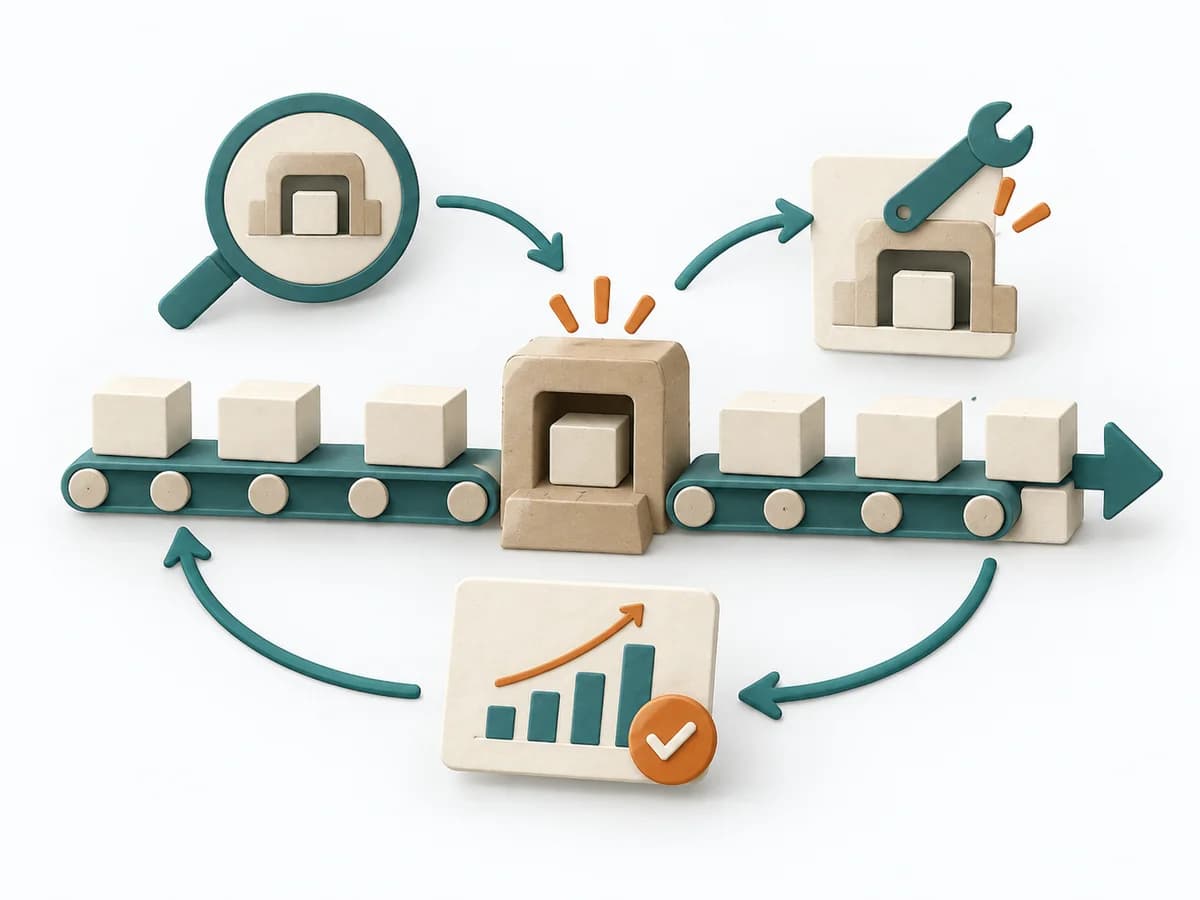 Operations Theory of Constraints |
|---|---|---|---|---|
Purposedifferent | When work processes are known only from accounts and the real context stays hidden, Contextual Inquiry makes behavior at the workplace visible. Observation and follow-up questions together show how people actually work, get interrupted, and improvise. | With a confusing workflow that has many handoffs, the method makes the actual process visible. It shows where work is passed on, delayed, or duplicated, so improvement targets the right spots. | After missions or project phases with unclear outcomes, the method makes visible what actually happened and what can be learned from it. It separates course, effect, and causes so experience turns into solid improvement. | For a system that does not get faster despite effort, the method directs attention to the bottleneck. It concentrates improvement on the point that actually limits throughput. |
Complexitydifferent | Medium | Medium | Low | High |
Timedifferent | 1-3 Wochen | 1-3 h | 20-45 min | 2-4 h Analyse, laufend |
Participantsdifferent | 4-12 Beobachtungen | 3-10 | 3-12 | 3-12 |
Formatdifferent | Workshop + async | Workshop | Workshop + async | Workshop + async |
Outputdifferent | Field Notes, Workflow Insights, Pain Points | Process Map, Handoff List, Improvement Backlog | Lessons learned, Action items, Event summary | Constraint Map, Improvement Plan, Flow Metrics |
Tagsno overlap | UX researchObservationContext | ProcessOperationsImprovement | LearningOperationsImprovement | OperationsConstraintsFlowImprovement |