View methods side by side.
Choose up to four methods. Add them using the search and share the comparison by copying its link.
| Criterion | 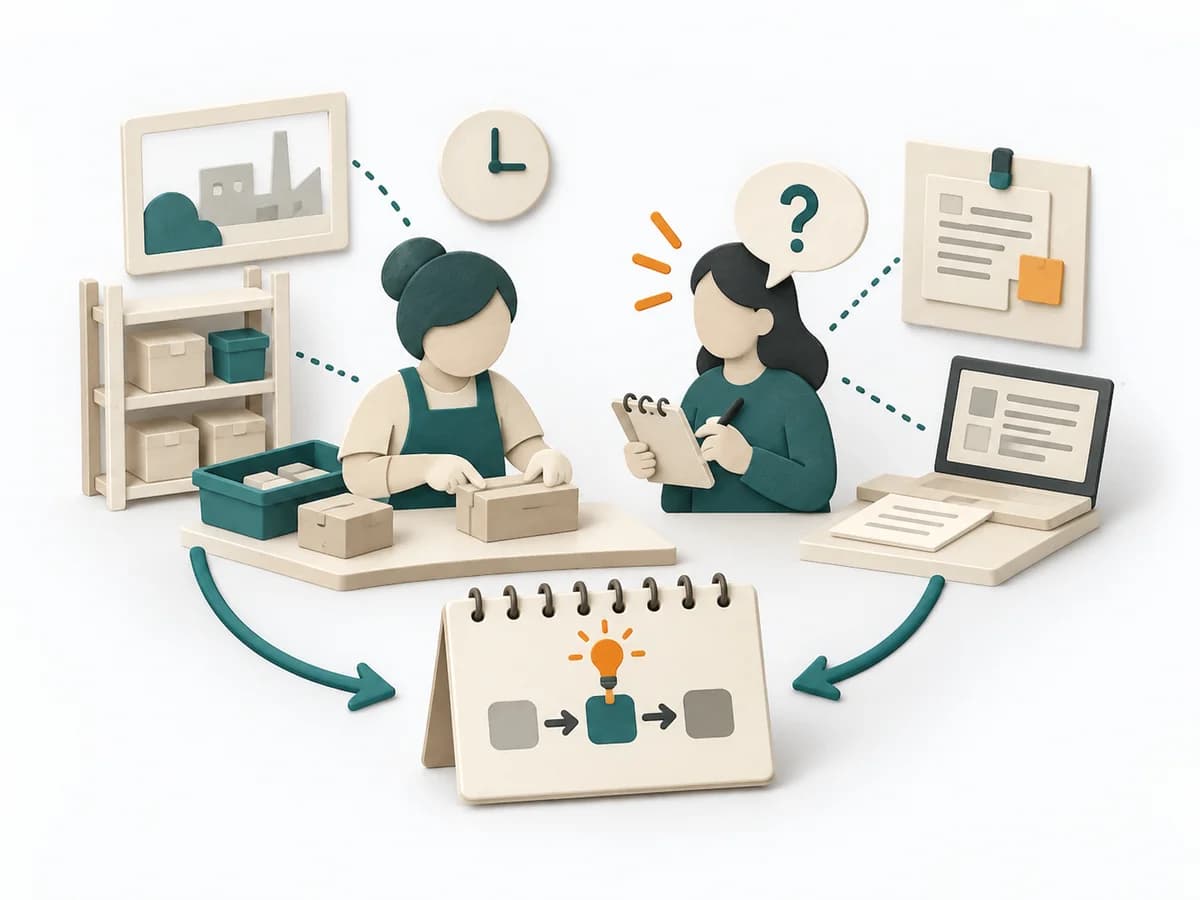 UX Research Contextual Inquiry |  UX Research Diary Study |  Decision Making Force Field Analysis | 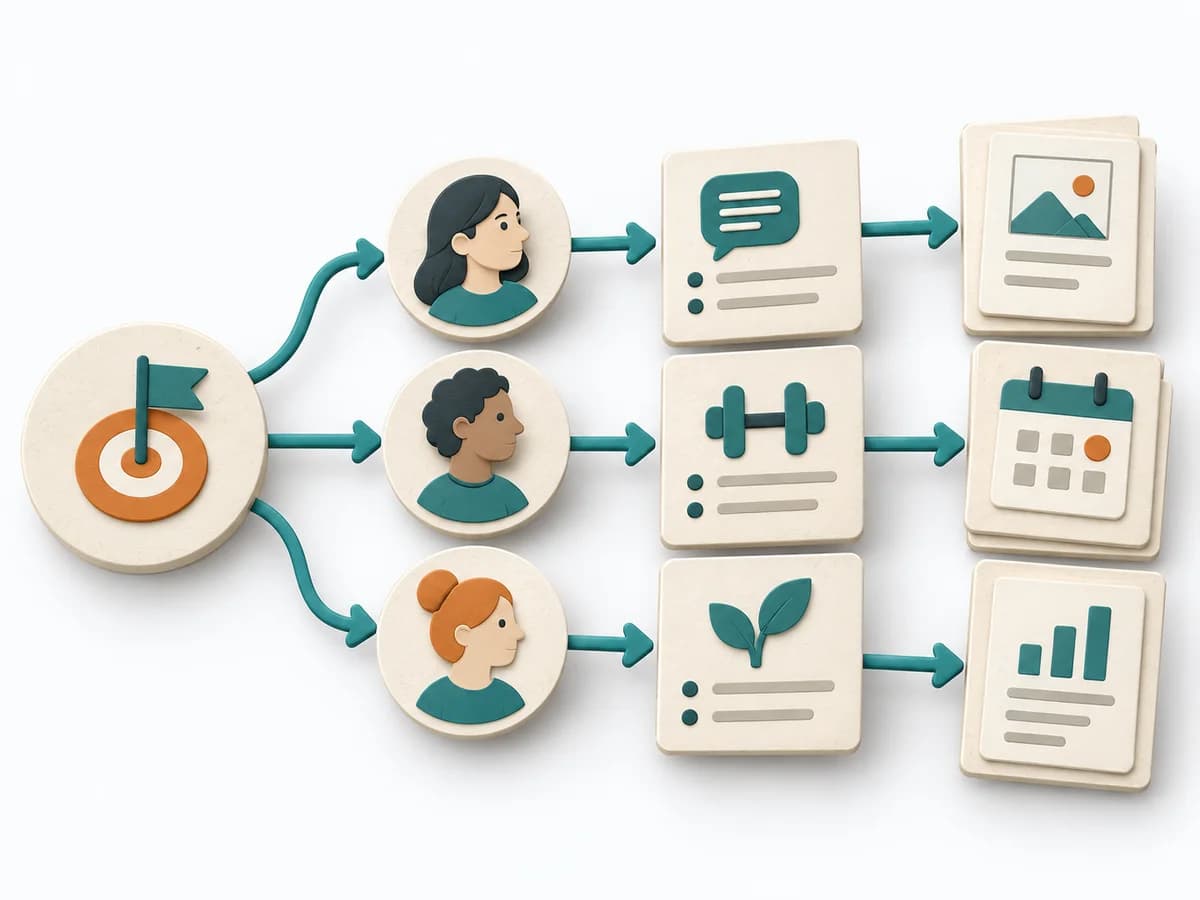 Product Strategy Impact Mapping |
|---|---|---|---|---|
Purposedifferent | When work processes are known only from accounts and the real context stays hidden, Contextual Inquiry makes behavior at the workplace visible. Observation and follow-up questions together show how people actually work, get interrupted, and improvise. | When experiences build up over days or weeks and a single session cannot capture them, Diary Study records the course of everyday life. Recurring triggers, moods, and habits become visible this way, beyond the sharpness of memory. | In change initiatives, supporting and restraining forces sit at the table at the same time. Force Field Analysis makes these tensions explicit and shows where change can be pushed forward by strengthening or relieving. | When a goal needs to be connected to several possible paths, it shows chains of impact instead of feature lists. It connects business goal, behavior change, and measures. |
Complexitydifferent | Medium | Medium | Low | Medium |
Timedifferent | 1-3 Wochen | 1-4 Wochen | 45-90 min | 45-90 min |
Participantsdifferent | 4-12 Beobachtungen | 5-20 | 3-12 | 3-8 |
Formatdifferent | Workshop + async | Async | Workshop | Workshop |
Outputdifferent | Field Notes, Workflow Insights, Pain Points | Diary Entries, Longitudinal Patterns, Experience Timeline | Force Field Map, Change Levers, Risk Notes | Impact Map, Outcome Hypotheses, Delivery Options |
Tagsno overlap | UX researchObservationContext | UX researchTrackingBehavior | ChangeDecisionStrategy | OutcomesStrategyBehaviorPlanning |