View methods side by side.
Choose up to four methods. Add them using the search and share the comparison by copying its link.
| Criterion | 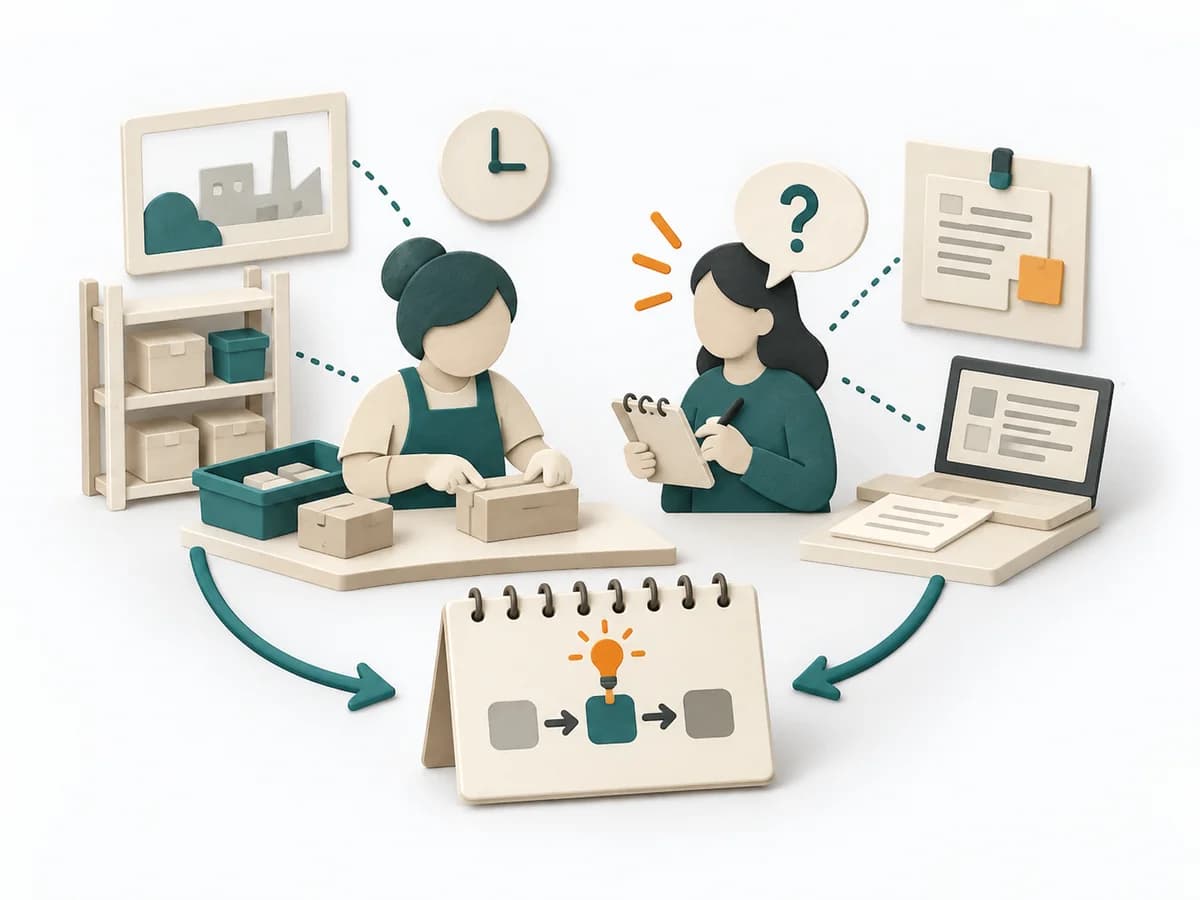 UX Research Contextual Inquiry | 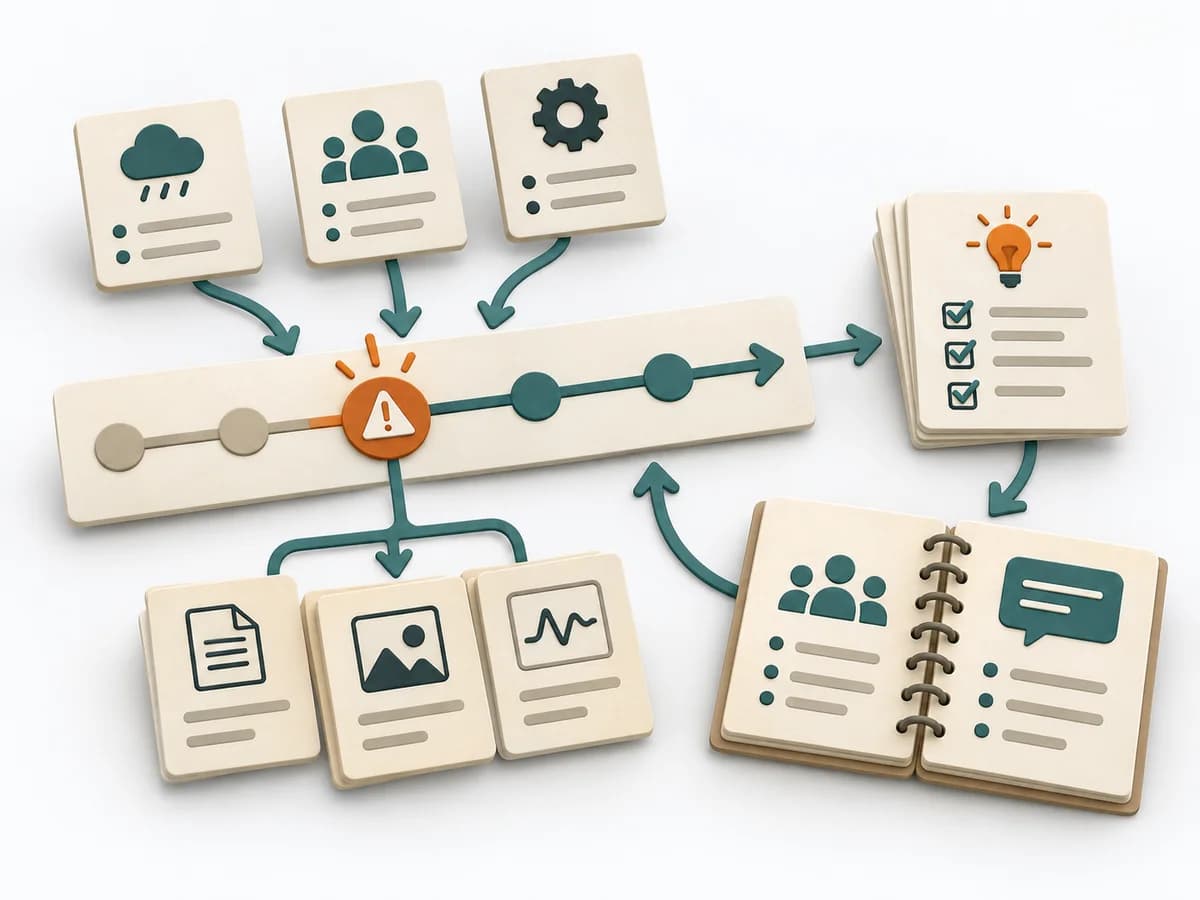 DevOps Blameless Postmortem | 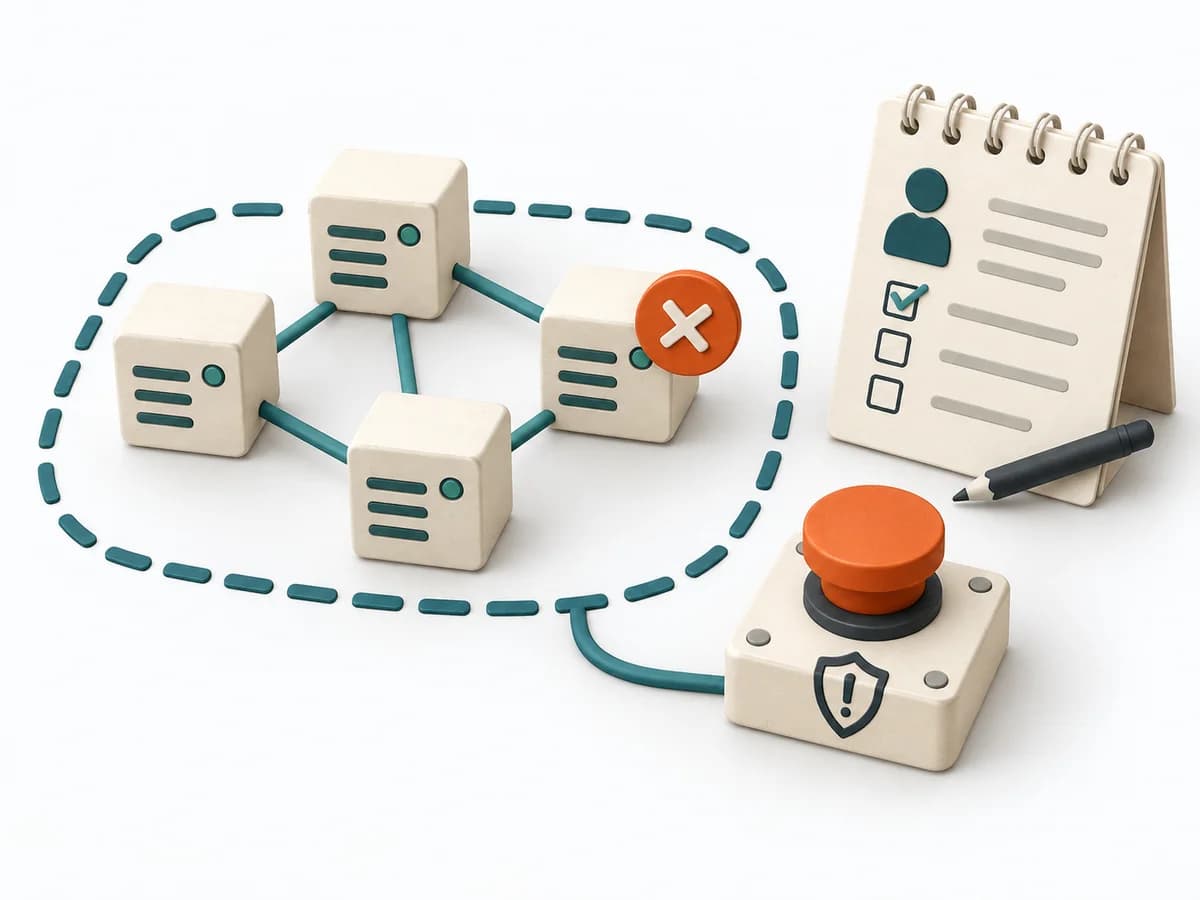 DevOps Game Day | 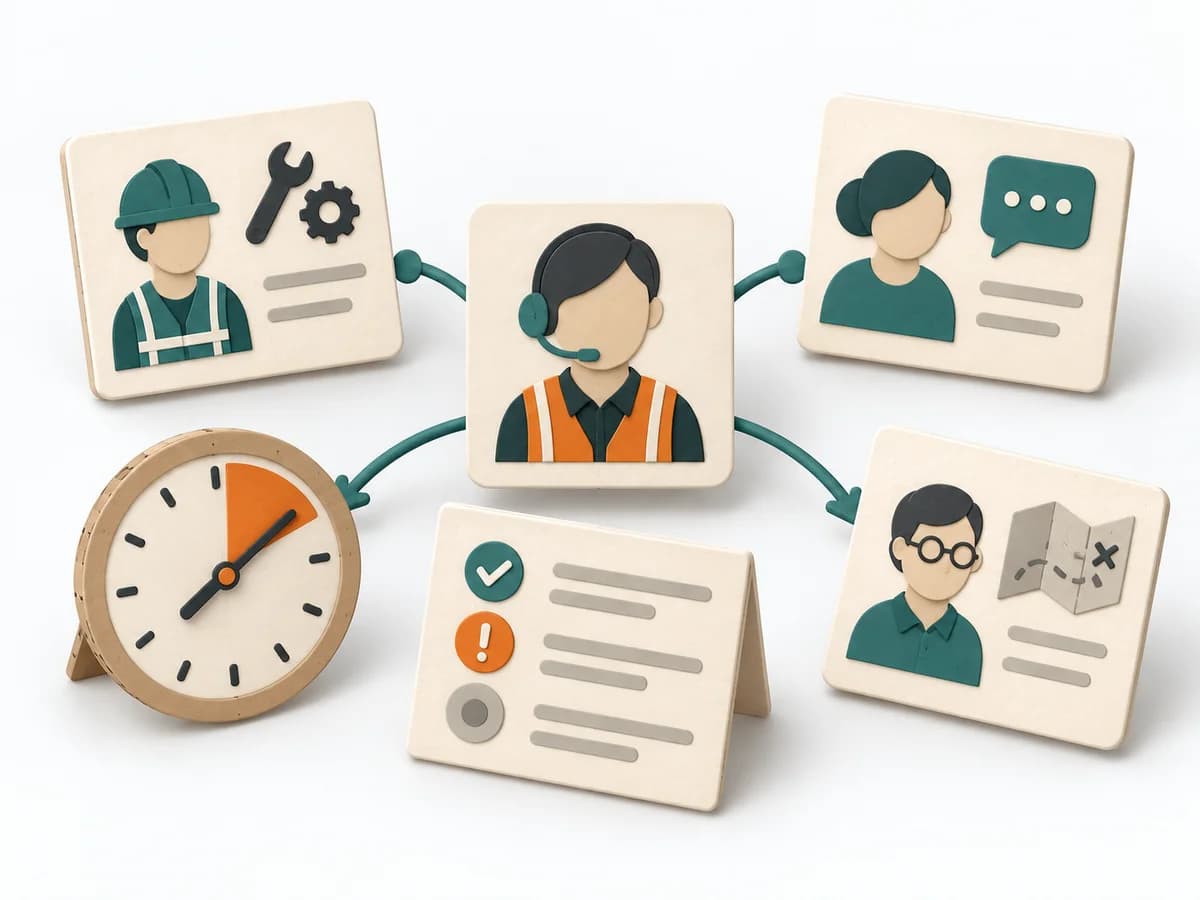 DevOps Incident Command |
|---|---|---|---|---|
Purposedifferent | When work processes are known only from accounts and the real context stays hidden, Contextual Inquiry makes behavior at the workplace visible. Observation and follow-up questions together show how people actually work, get interrupted, and improvise. | After an incident with damage or a near miss, the method creates a sober field for learning without assigning blame. It directs attention to the course of events, conditions, and effective countermeasures. | In preparing for rare incidents, the method tests response capability under controlled conditions. It shows where assumptions about stability, roles, and recovery are too optimistic. | During an acute incident with several people involved, the method creates a clear leadership and communication structure. It reduces chaos when fast coordination and clean situational awareness are both needed at once. |
Complexitydifferent | Medium | Medium | High | Medium |
Timedifferent | 1-3 Wochen | 30-90 min | Halber Tag | As needed |
Participantsdifferent | 4-12 Beobachtungen | 3-12 | 5-20 | 4-15 |
Formatdifferent | Workshop + async | Workshop + async | Workshop | Workshop + async |
Outputdifferent | Field Notes, Workflow Insights, Pain Points | Postmortem Doc, Action Items, Timeline | Simulation Notes, Gaps List, Updated Runbooks | Incident Log, Action Tracker, Stakeholder Updates |
Tagsno overlap | UX researchObservationContext | Site Reliability EngineeringIncidentLearningReliability | ResilienceOperationsIncident | IncidentOperationsReliability |