View methods side by side.
Choose up to four methods. Add them using the search and share the comparison by copying its link.
| Criterion | 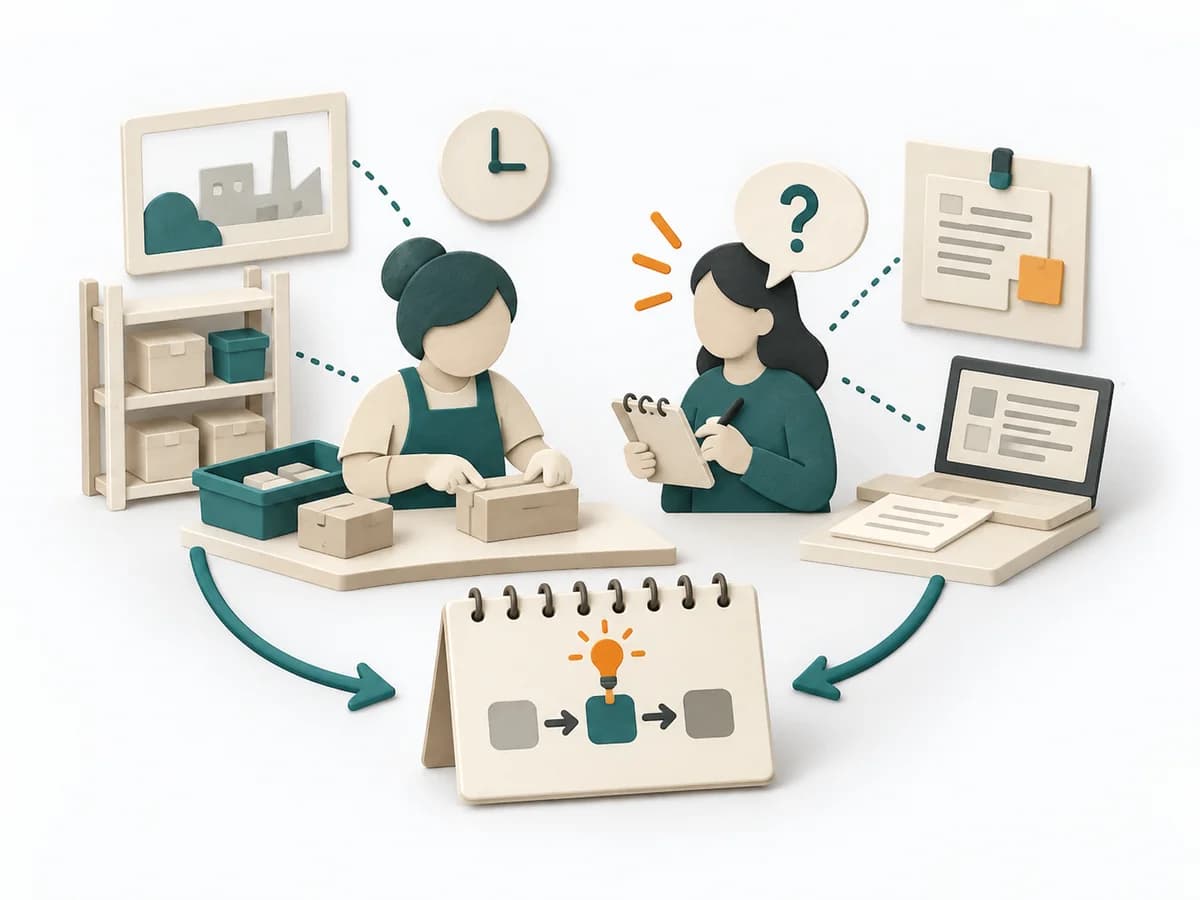 UX Research Contextual Inquiry | 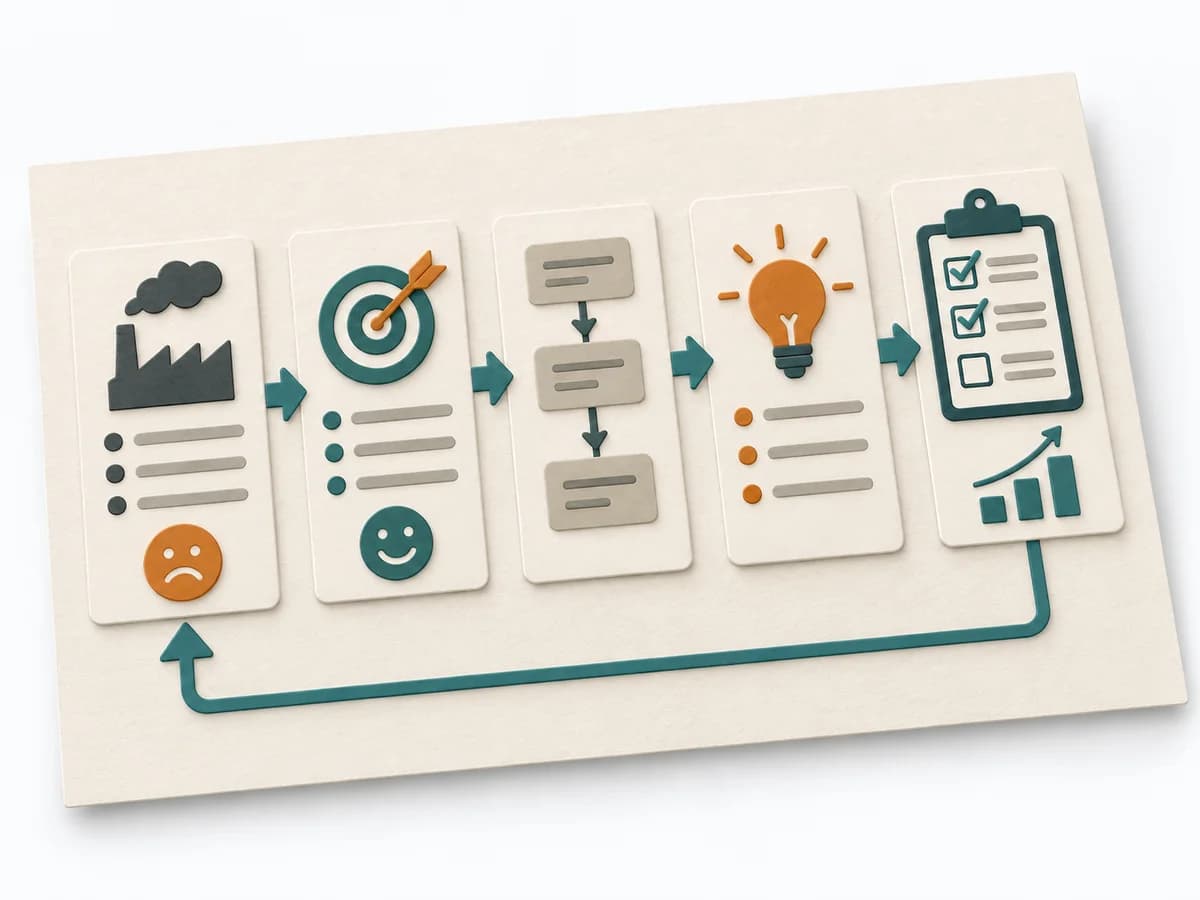 Operations A3 Problem Solving | 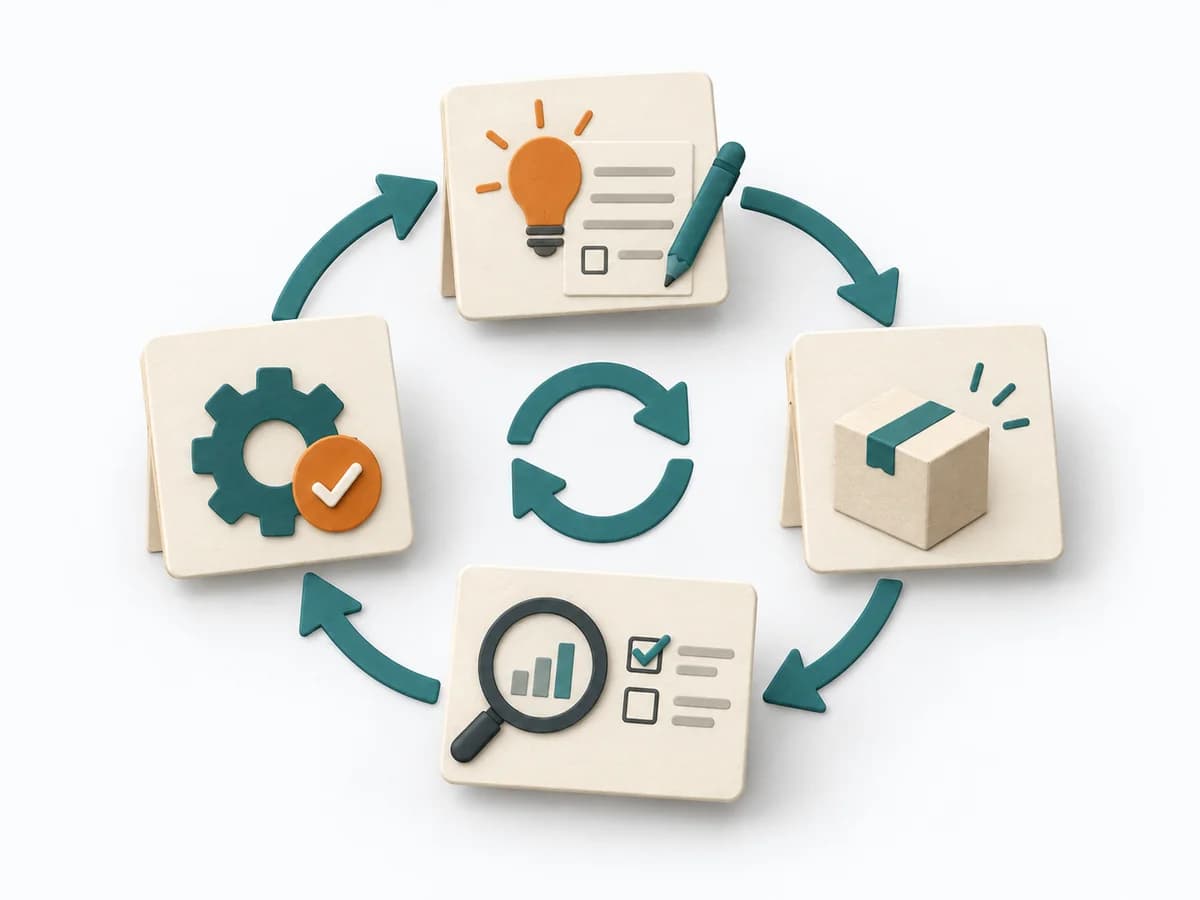 Operations PDCA Cycle | 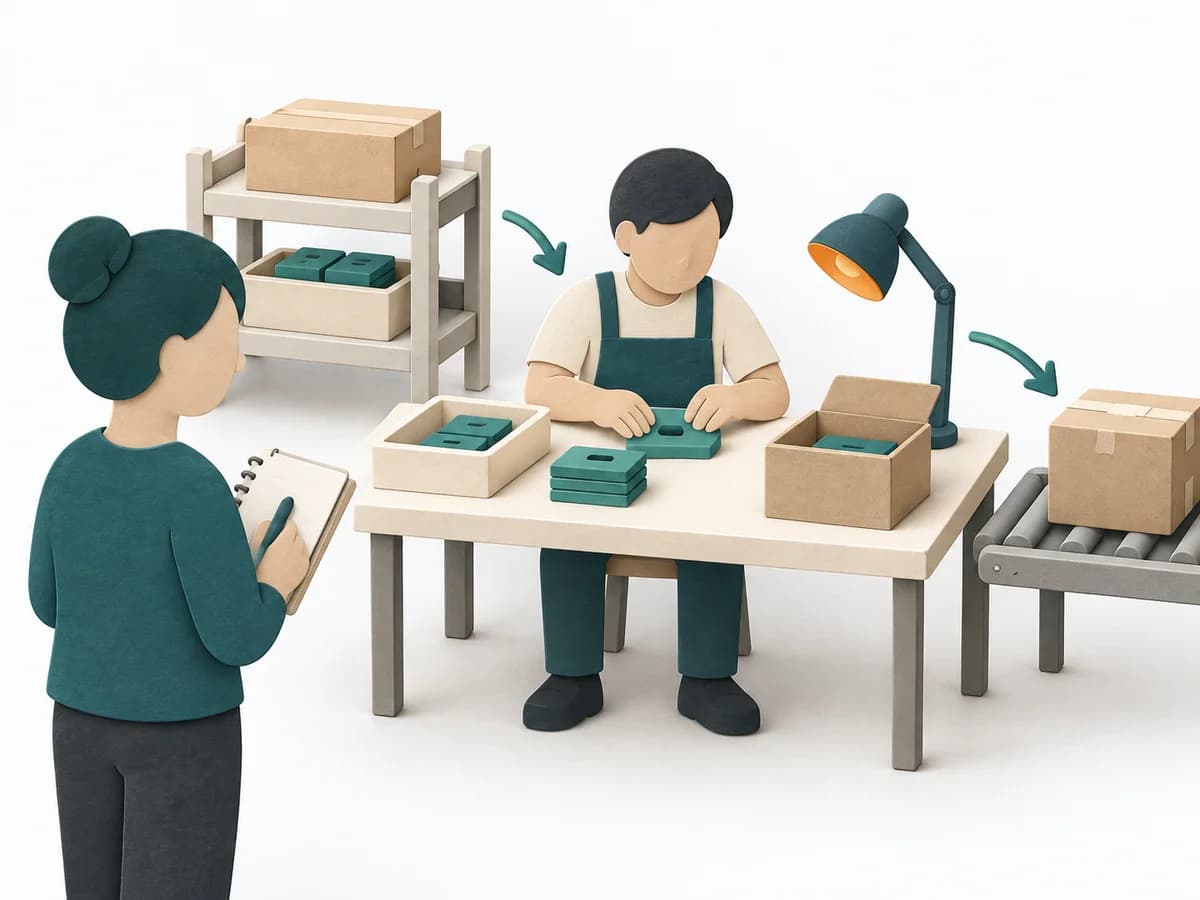 Operations Gemba Walk |
|---|---|---|---|---|
Purposedifferent | When work processes are known only from accounts and the real context stays hidden, Contextual Inquiry makes behavior at the workplace visible. Observation and follow-up questions together show how people actually work, get interrupted, and improvise. | For a complex deviation with several people involved, the method bundles problem, analysis, and decision onto one page. It creates a shared working space where causes, countermeasures, and follow-up fit together. | For an improvement that still has to prove itself in everyday work, the method runs it through small learning loops. It connects planning, checking, and standardization into a repeatable learning mode. | When there is uncertainty about the real course of a process, the method brings observation to the place where work happens. It combines perception, follow-up questions, and process knowledge so decisions rest on actual workflows instead of assumptions. |
Complexitydifferent | Medium | Medium | Low | Low |
Timedifferent | 1-3 Wochen | 45-90 min | 1 h bis mehrere Wochen | 30-120 min |
Participantsdifferent | 4-12 Beobachtungen | 2-5 | 1-8 | 2-6 |
Formatdifferent | Workshop + async | Workshop + async | Workshop + async | Workshop |
Outputdifferent | Field Notes, Workflow Insights, Pain Points | A3 Report, Action Plan, Root Cause Analysis | PDCA Log, Experiment Plan, Learning Outcome, Standard Change | Observation Notes, Improvement Ideas |
Tagsno overlap | UX researchObservationContext | LeanProblem solvingCoachingOperations | Continuous improvementLeanExperiments | LeanObservationProcessOperations |