View methods side by side.
Choose up to four methods. Add them using the search and share the comparison by copying its link.
| Criterion |  Domain Modeling Context Map | 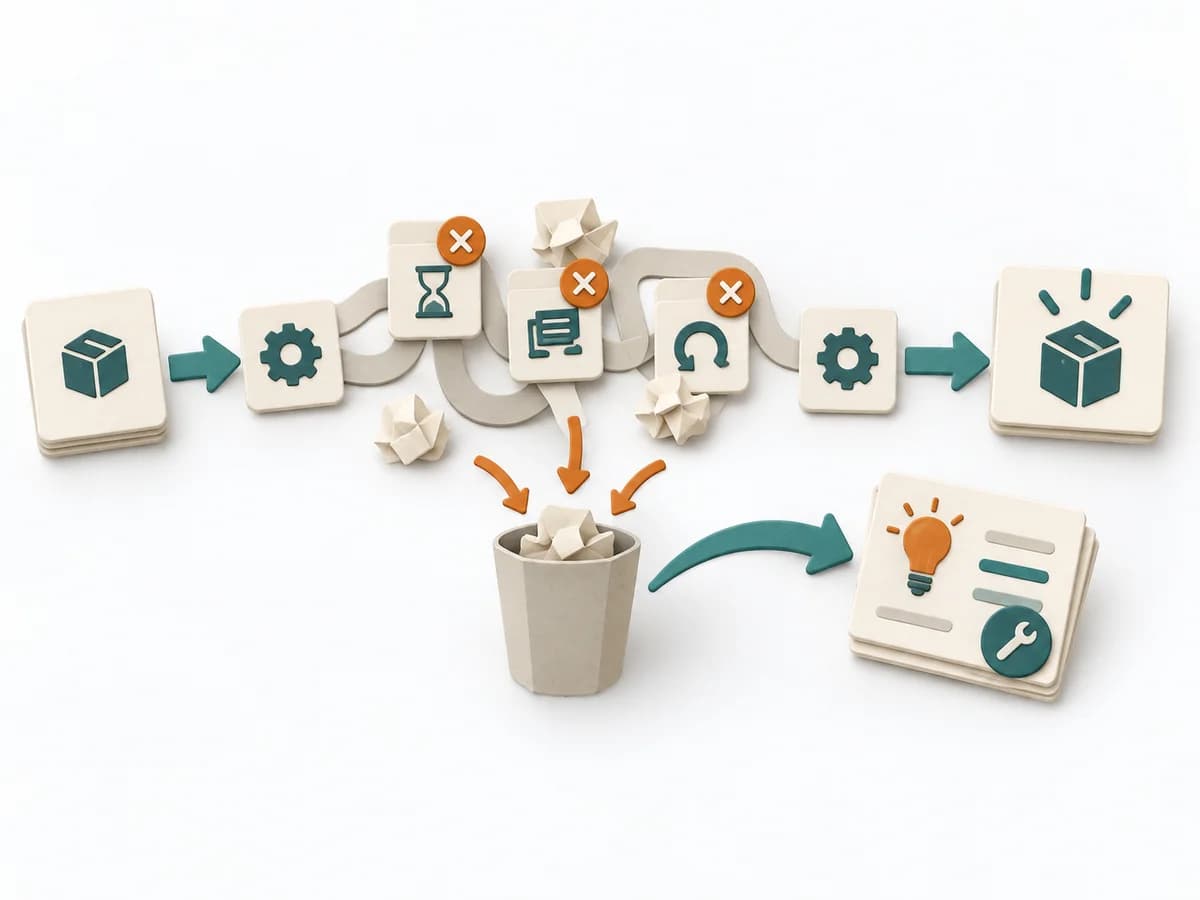 Operations Waste Analysis | 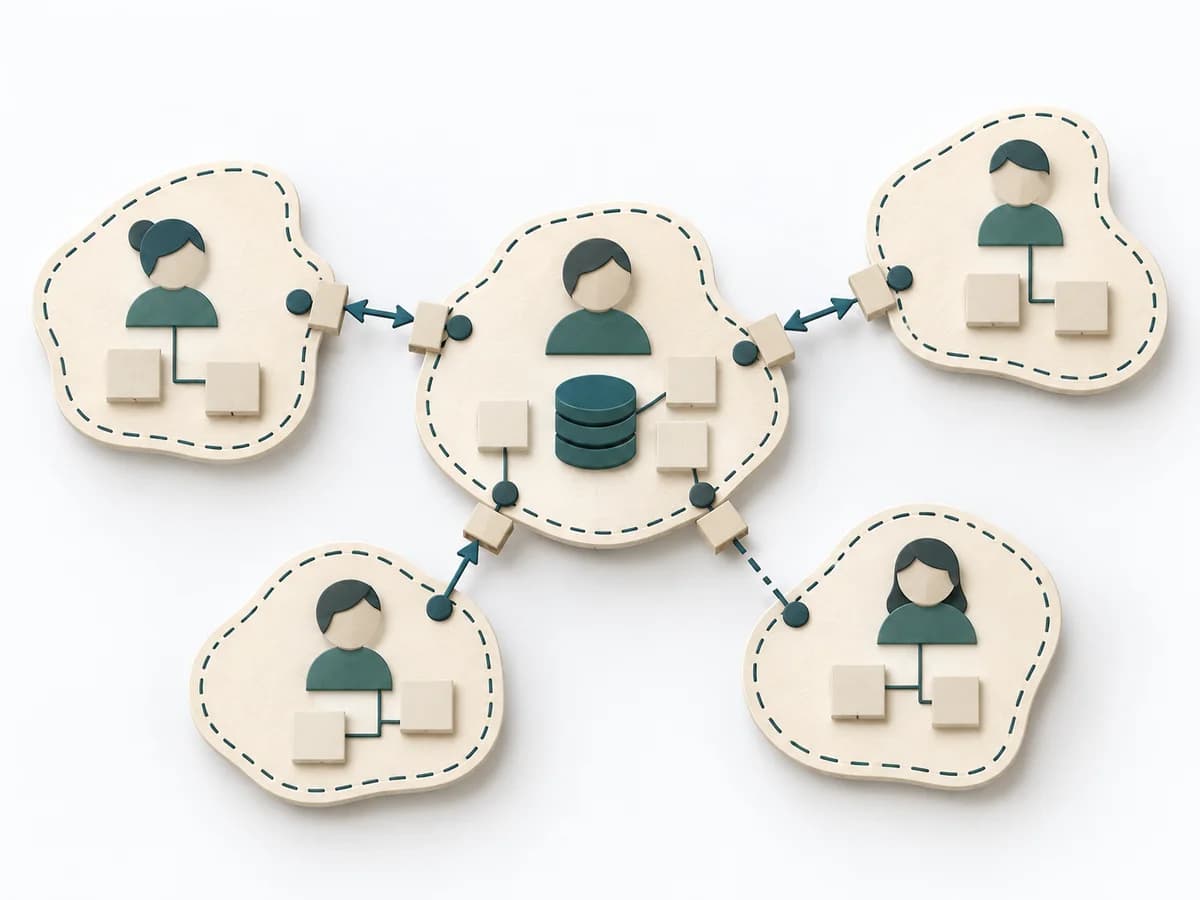 Domain Modeling Domain Context Map | 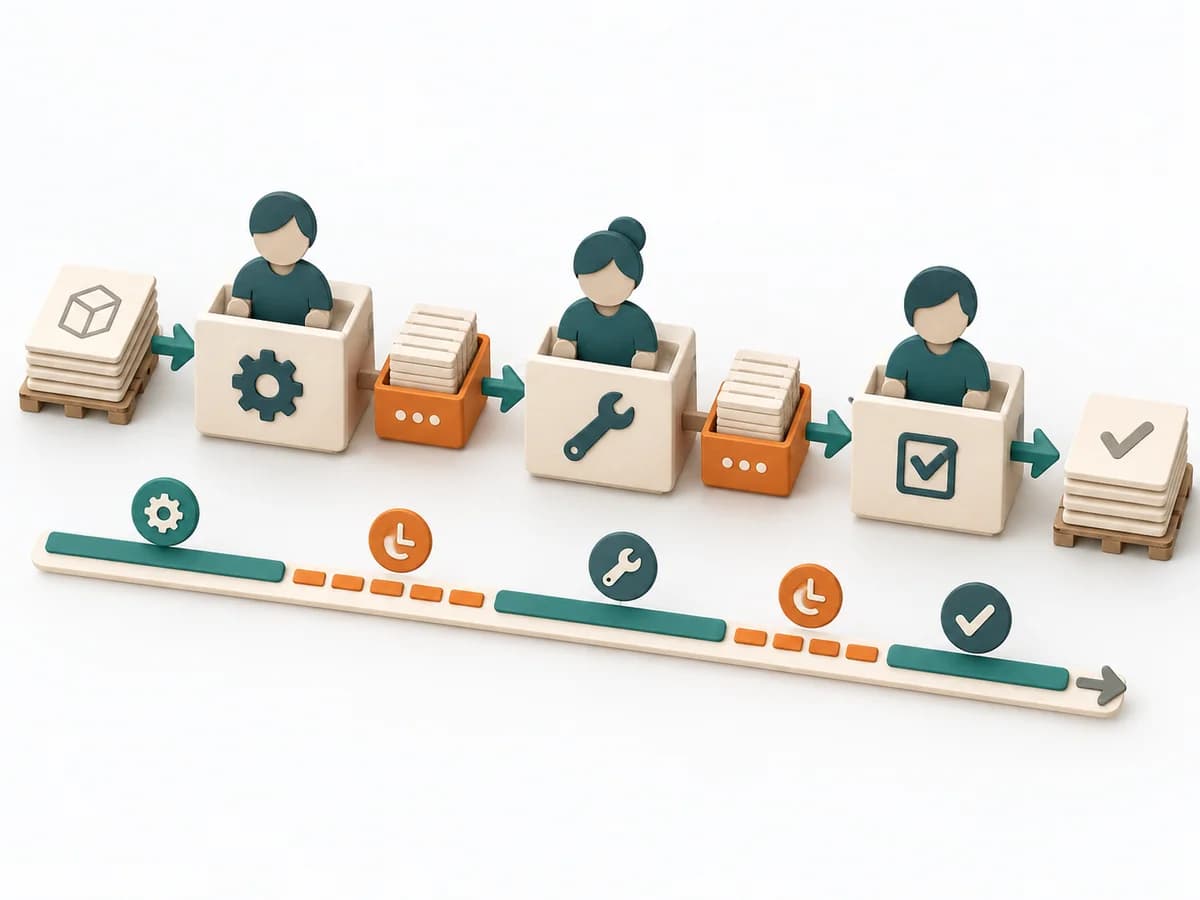 Delivery Value Stream Mapping |
|---|---|---|---|---|
Purposedifferent | When several contexts need to talk to each other, it makes their relationships and dependencies legible. It helps sort integration pressure and responsibilities across system boundaries. | For a process that keeps people busy but creates little value, the method exposes waste. It directs attention to unnecessary movement, waiting times, rework, and overdelivery. | When a domain model and its associated contexts need to be thought through together, it creates a shared overview. It connects the business view and organizational boundary into a readable whole. | When delivery work dissolves into wait times, handoffs, and hidden effort, Value Stream Mapping makes the actual flow visible. The method exposes bottlenecks, idle time, and feedback loops so lead time and improvement levers become tangible. |
Complexitydifferent | Medium | Low | Medium | Medium |
Timedifferent | 1-3 h | 45-120 min | 1-3 h | 1-3 h |
Participantsdifferent | 2-8 | 2-8 | 3-10 | 4-10 |
Formatdifferent | Workshop + async | Workshop | Workshop | Workshop |
Outputdifferent | Context Map, Integration Patterns, Boundary Notes | Waste Map, Prioritized Waste, Improvement Backlog | Domain Context Map, Boundary Notes, Ownership Map | Current-state map, Future-state map, Bottleneck list |
Tagsno overlap | Domain-Driven DesignBoundariesStrategy | WasteLeanProcess improvement | Domain-Driven DesignContextBoundaries | LeanFlowWasteDelivery |