View methods side by side.
Choose up to four methods. Add them using the search and share the comparison by copying its link.
| Criterion |  Domain Modeling Context Map | 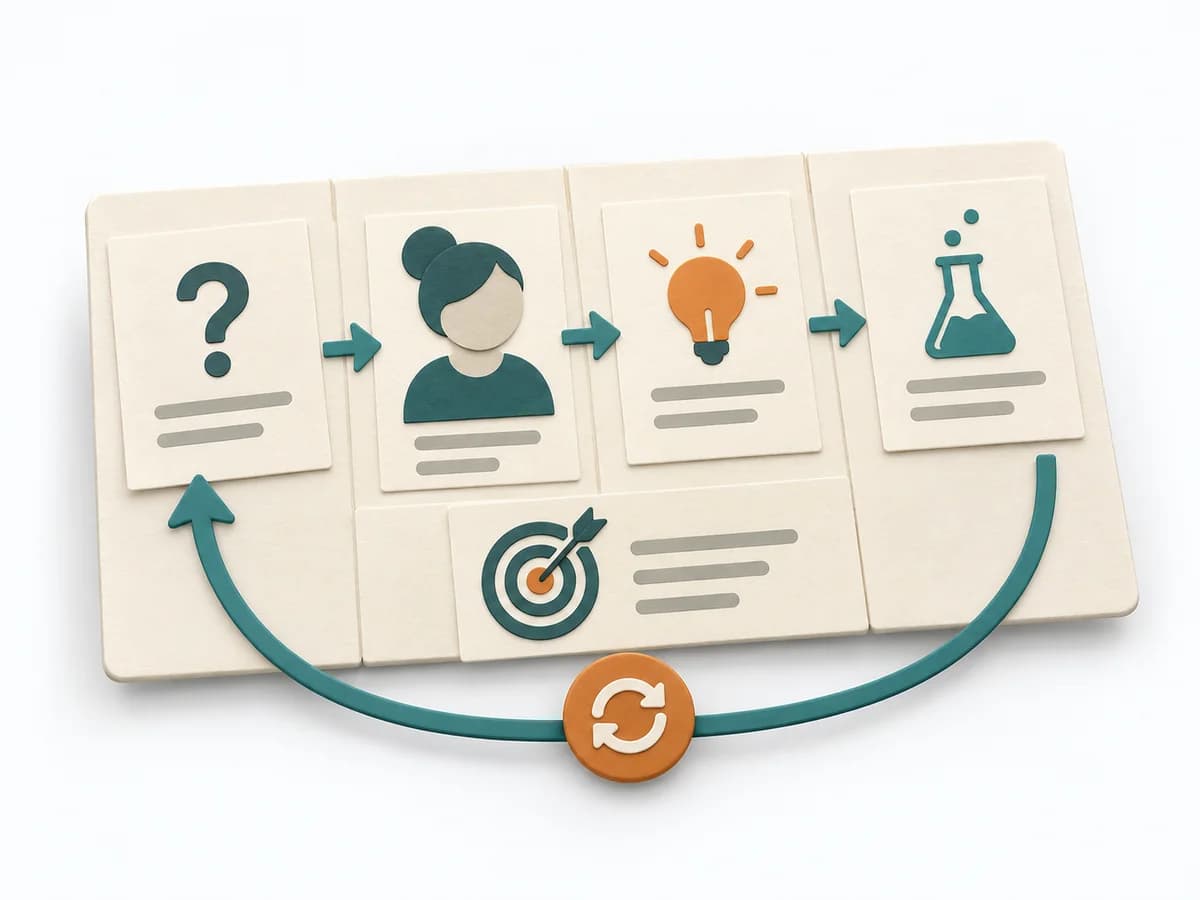 UX Design Lean UX Canvas | 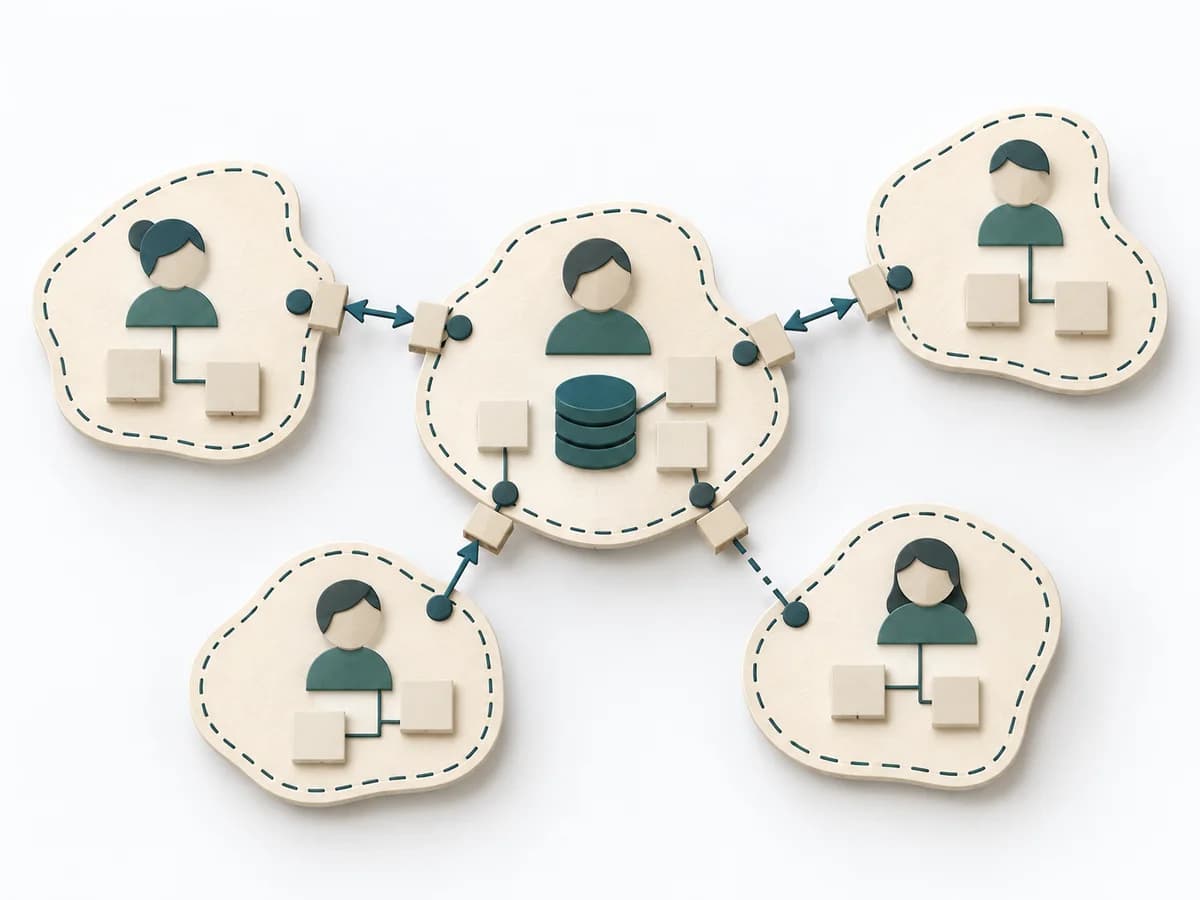 Domain Modeling Domain Context Map | 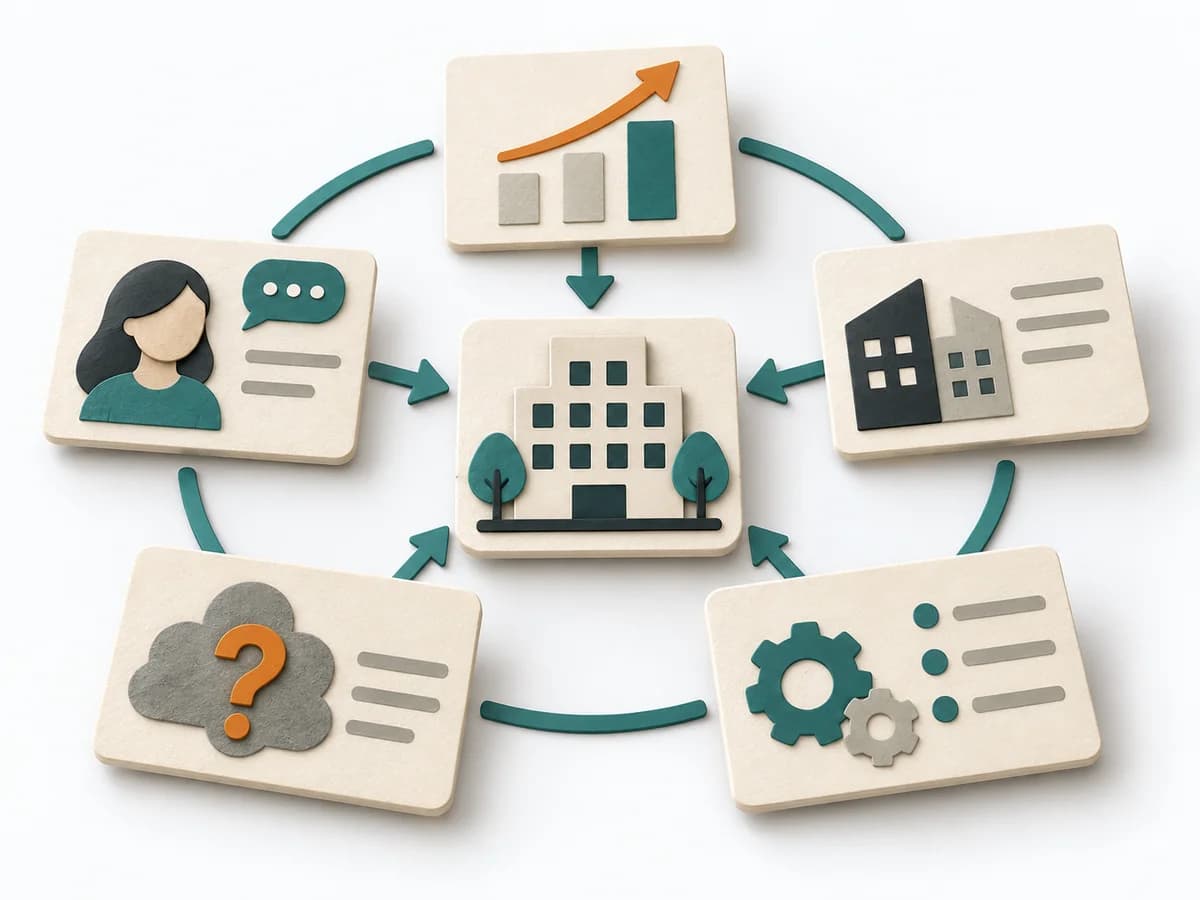 Product Discovery Context Canvas |
|---|---|---|---|---|
Purposedifferent | When several contexts need to talk to each other, it makes their relationships and dependencies legible. It helps sort integration pressure and responsibilities across system boundaries. | The Lean UX Canvas helps clarify user behavior, touchpoints, and concept decisions. It makes assumptions and desired outcomes visible and captures the result as a completed canvas, hypothesis list, and first experiment. | When a domain model and its associated contexts need to be thought through together, it creates a shared overview. It connects the business view and organizational boundary into a readable whole. | When an environment of users, systems, and constraints is hard to grasp, it puts the context compactly on the table. It creates a clear reading of influence, boundary, and dependency. |
Complexitydifferent | Medium | Medium | Medium | Low |
Timedifferent | 1-3 h | 2-3 h | 1-3 h | 45-90 min |
Participantsdifferent | 2-8 | 3-8 | 3-10 | 3-10 |
Formatdifferent | Workshop + async | Workshop + async | Workshop | Workshop |
Outputdifferent | Context Map, Integration Patterns, Boundary Notes | Completed Lean UX Canvas, Hypothesis list, First experiment | Domain Context Map, Boundary Notes, Ownership Map | Context canvas, Open questions, Shared context notes |
Tagsno overlap | Domain-Driven DesignBoundariesStrategy | CanvasHypothesisOutcomesDiscovery | Domain-Driven DesignContextBoundaries | ContextFramingRequirementsCanvas |