View methods side by side.
Choose up to four methods. Add them using the search and share the comparison by copying its link.
| Criterion |  Domain Modeling Context Map | 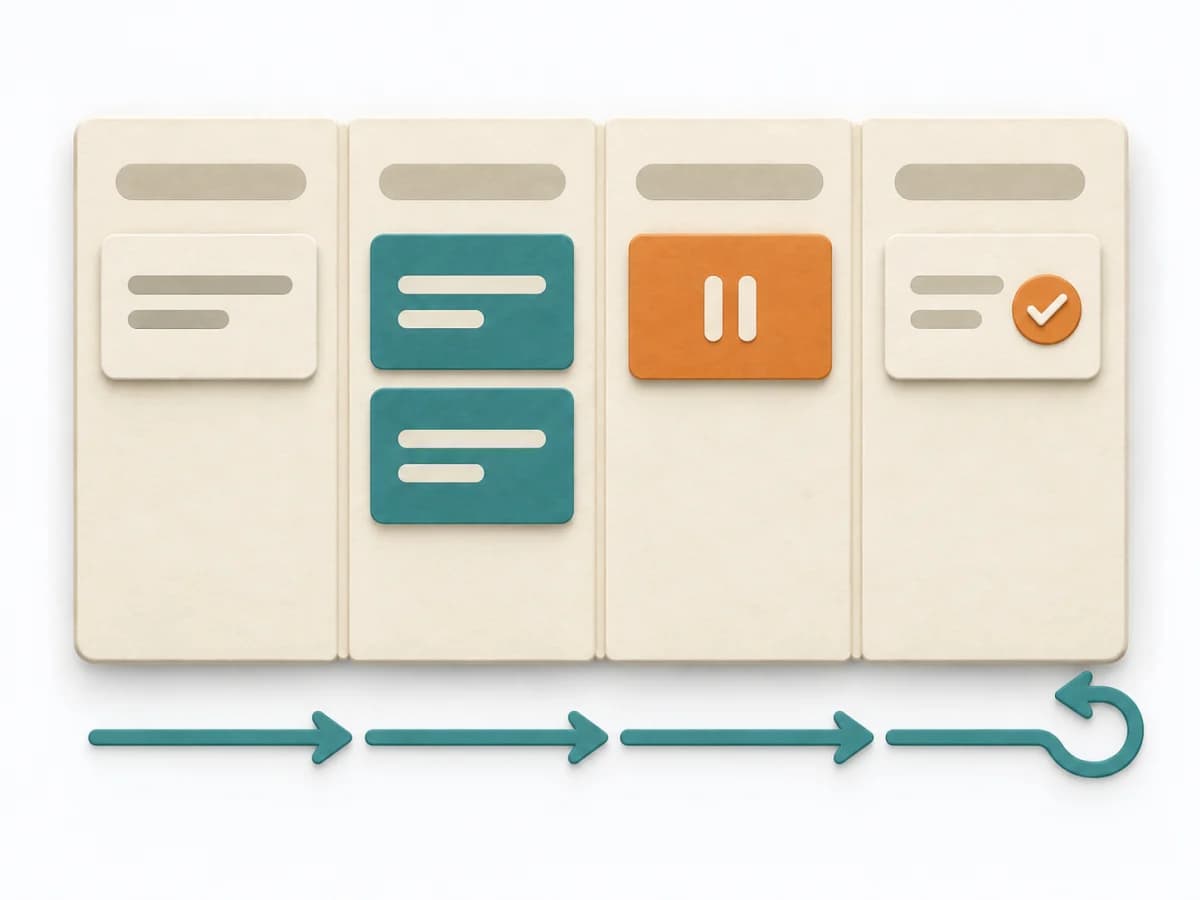 Engineering Kanban | 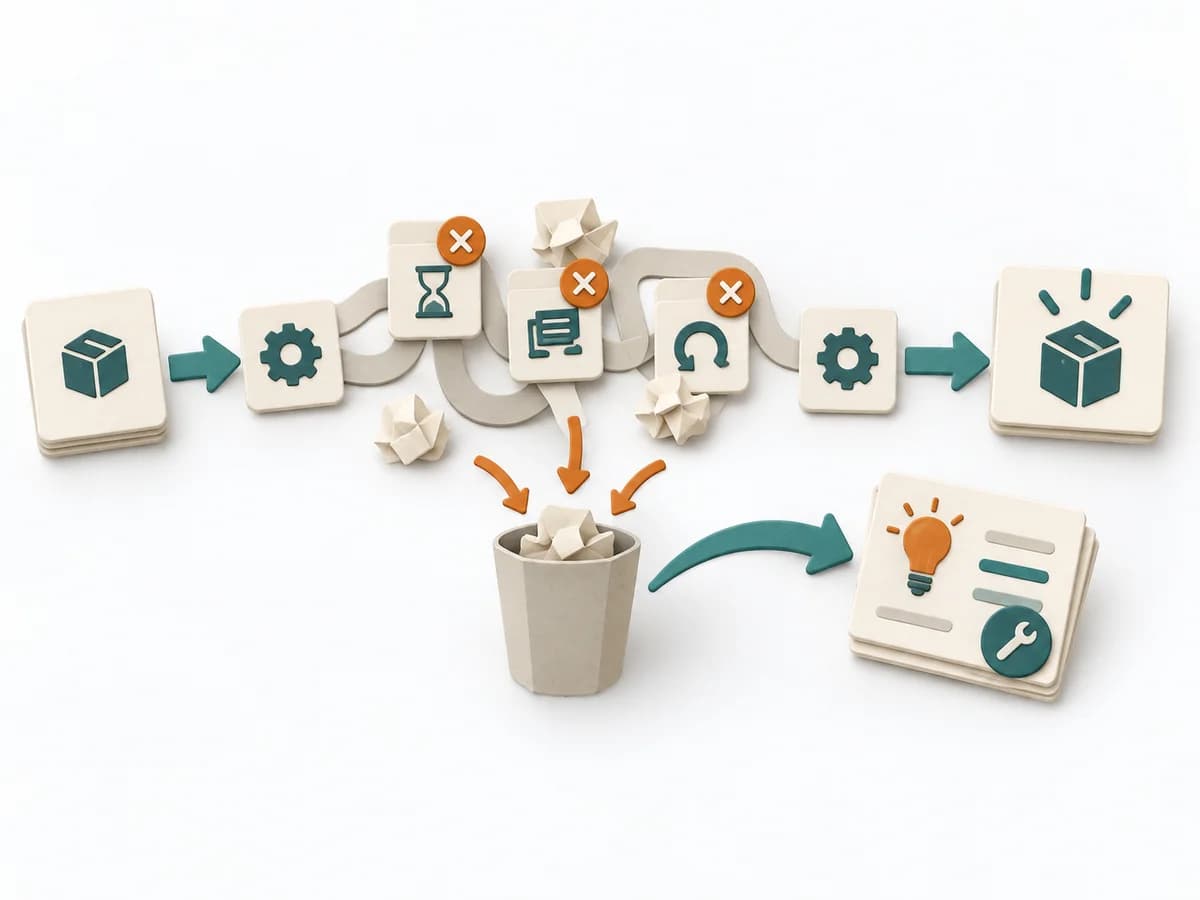 Operations Waste Analysis | 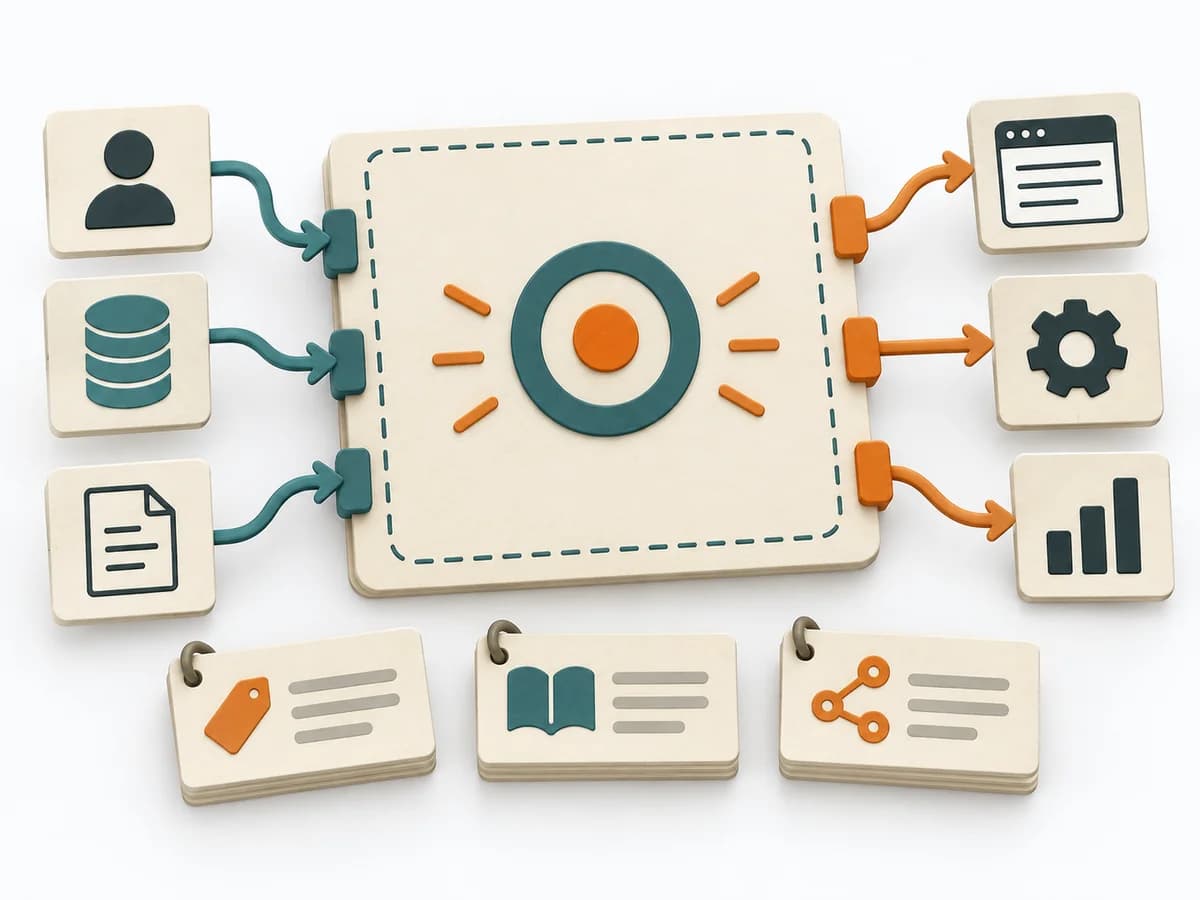 Domain Modeling Bounded Context Canvas |
|---|---|---|---|---|
Purposedifferent | When several contexts need to talk to each other, it makes their relationships and dependencies legible. It helps sort integration pressure and responsibilities across system boundaries. | When work sits in too many parallel streams, throughput suffers and no one sees the bottlenecks. Kanban makes the flow of work visible and limits overload so a system becomes calmer and more predictable. | For a process that keeps people busy but creates little value, the method exposes waste. It directs attention to unnecessary movement, waiting times, rework, and overdelivery. | When a business context is still loosely outlined, it shapes language, responsibility, and integration space. It clarifies what belongs together and where a boundary needs to hold. |
Complexitydifferent | Medium | Medium | Low | Medium |
Timedifferent | 1-3 h | Ongoing | 45-120 min | 1-3 h |
Participantsdifferent | 2-8 | 2-12 | 2-8 | 3-8 |
Formatdifferent | Workshop + async | Workshop + async | Workshop | Workshop + async |
Outputdifferent | Context Map, Integration Patterns, Boundary Notes | Kanban board, WIP policies, Flow metrics | Waste Map, Prioritized Waste, Improvement Backlog | Context Canvas, Glossary, Integration Notes |
Tagsno overlap | Domain-Driven DesignBoundariesStrategy | FlowVisual managementDelivery | WasteLeanProcess improvement | Domain-Driven DesignBoundariesModeling |