View methods side by side.
Choose up to four methods. Add them using the search and share the comparison by copying its link.
| Criterion |  Domain Modeling Context Map | 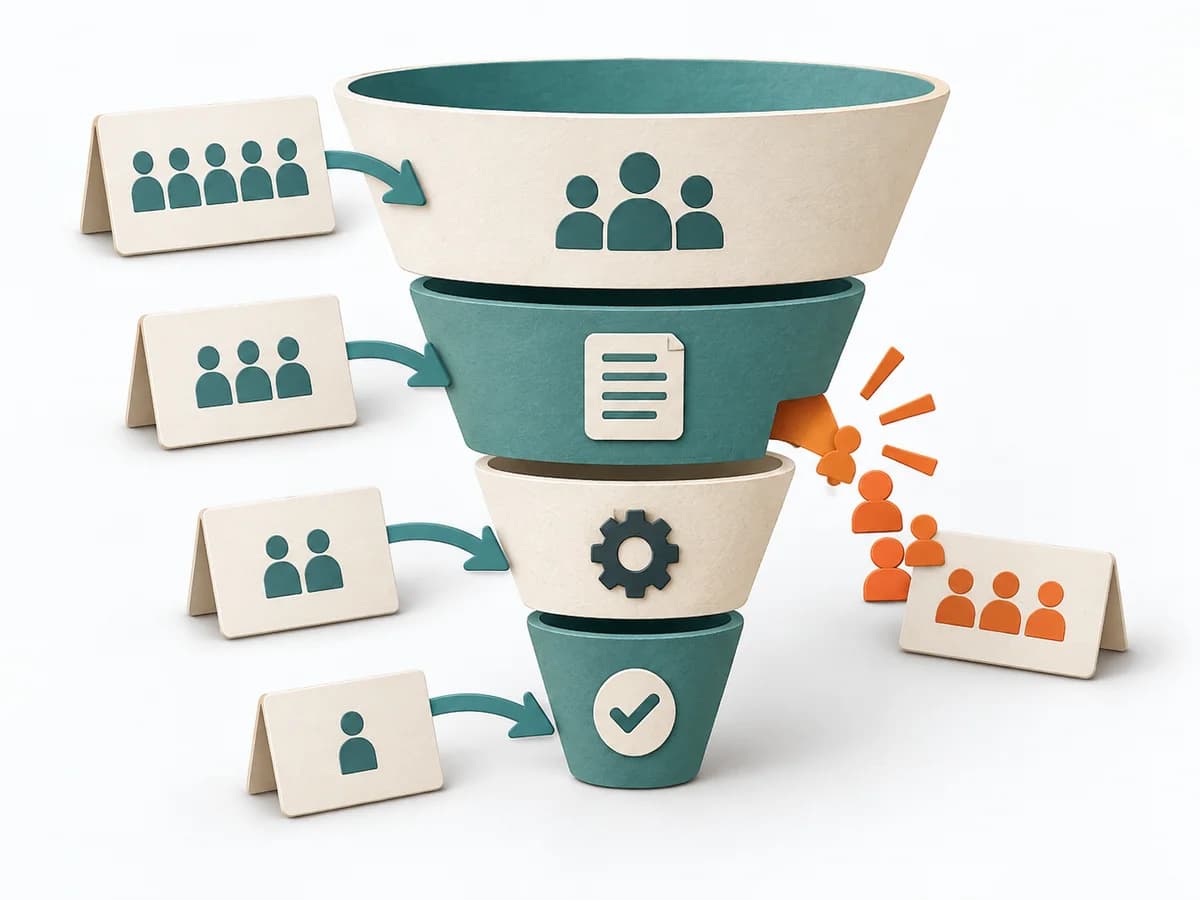 Growth Funnel Analysis | 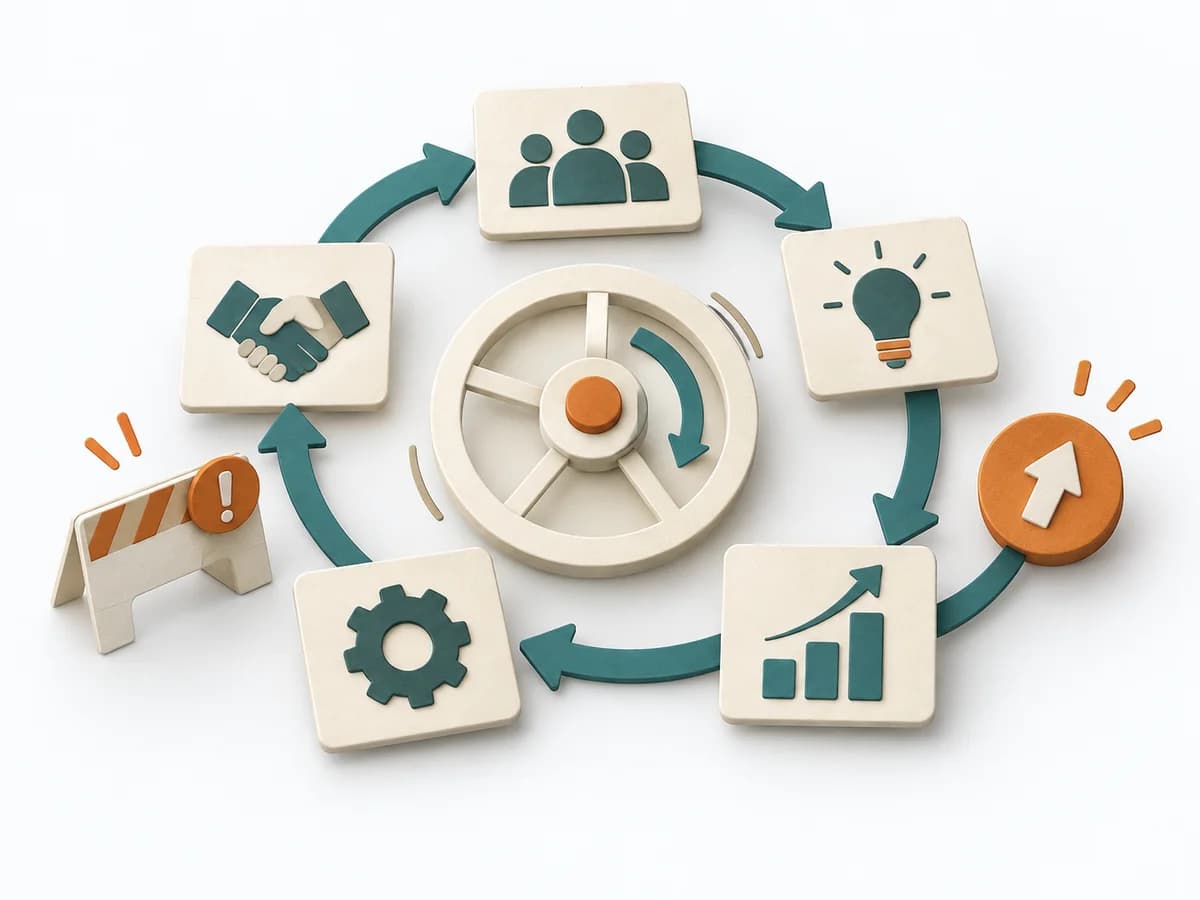 Growth Flywheel | 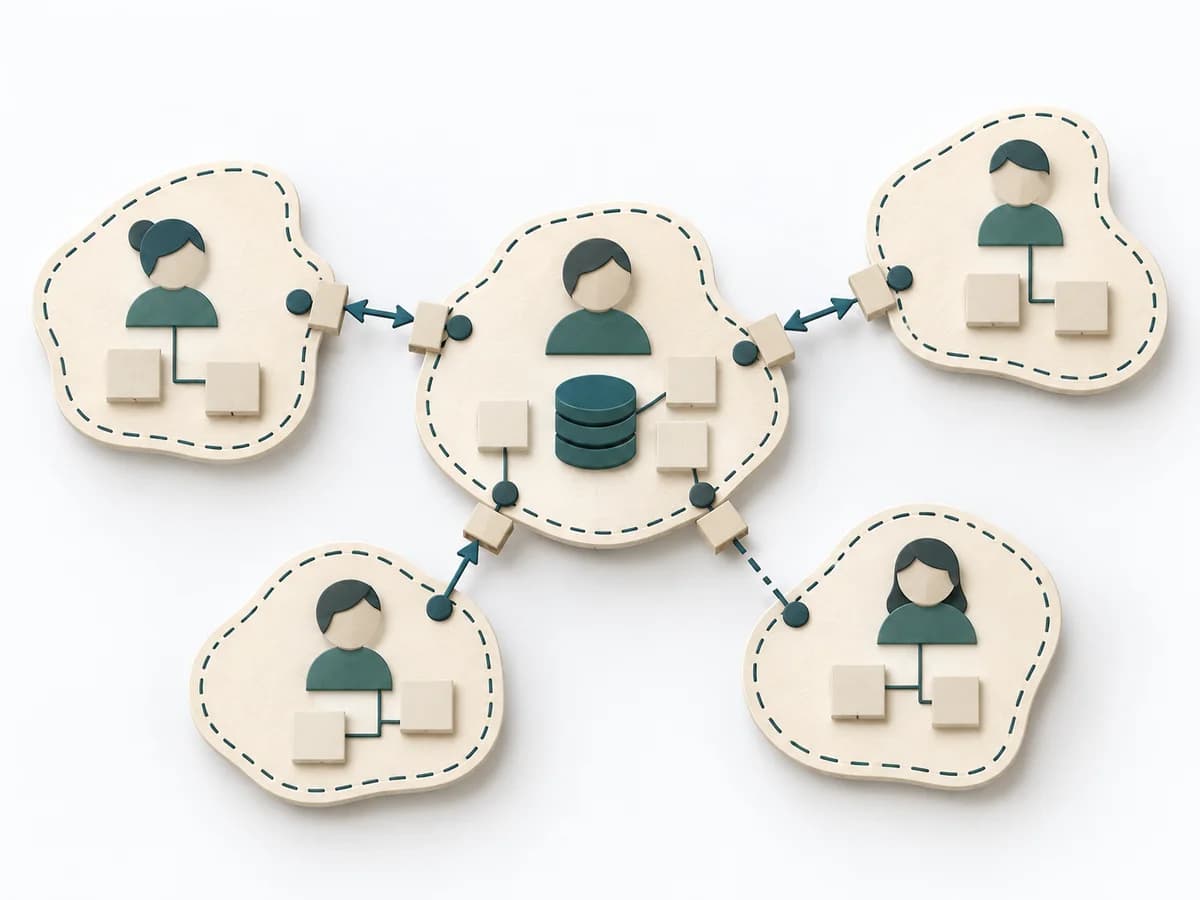 Domain Modeling Domain Context Map |
|---|---|---|---|---|
Purposedifferent | When several contexts need to talk to each other, it makes their relationships and dependencies legible. It helps sort integration pressure and responsibilities across system boundaries. | When many visitors or users drop off along the way, the reason behind the number often stays hidden. Funnel Analysis exposes these transitions and makes visible exactly where the path collapses. | Growth often breaks down where a reinforcing mechanism builds up too much friction. A Flywheel shows the cycle of value, repetition, and reinforcement meant to sustain growth. | When a domain model and its associated contexts need to be thought through together, it creates a shared overview. It connects the business view and organizational boundary into a readable whole. |
Complexitysame | Medium | Medium | Medium | Medium |
Timedifferent | 1-3 h | 1-3 h | 60-120 min | 1-3 h |
Participantsdifferent | 2-8 | 1-5 | 3-8 | 3-10 |
Formatdifferent | Workshop + async | Async | Workshop | Workshop |
Outputdifferent | Context Map, Integration Patterns, Boundary Notes | Funnel report, Drop-off analysis, Optimization hypotheses | Flywheel Map, Friction Points, Growth Levers, Experiment Backlog | Domain Context Map, Boundary Notes, Ownership Map |
Tagsno overlap | Domain-Driven DesignBoundariesStrategy | AnalyticsConversionGrowth | GrowthRetentionConversion | Domain-Driven DesignContextBoundaries |