View methods side by side.
Choose up to four methods. Add them using the search and share the comparison by copying its link.
| Criterion |  Domain Modeling Context Map | 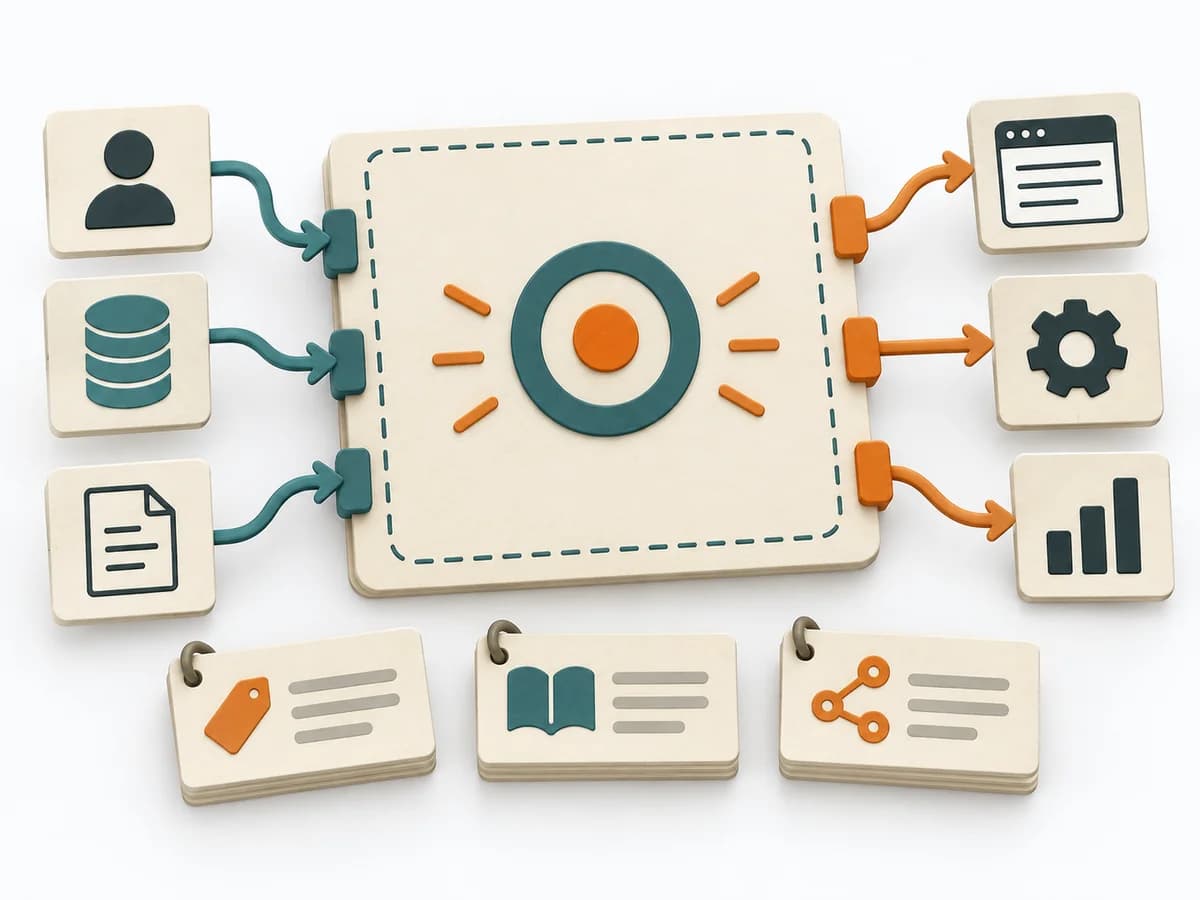 Domain Modeling Bounded Context Canvas | 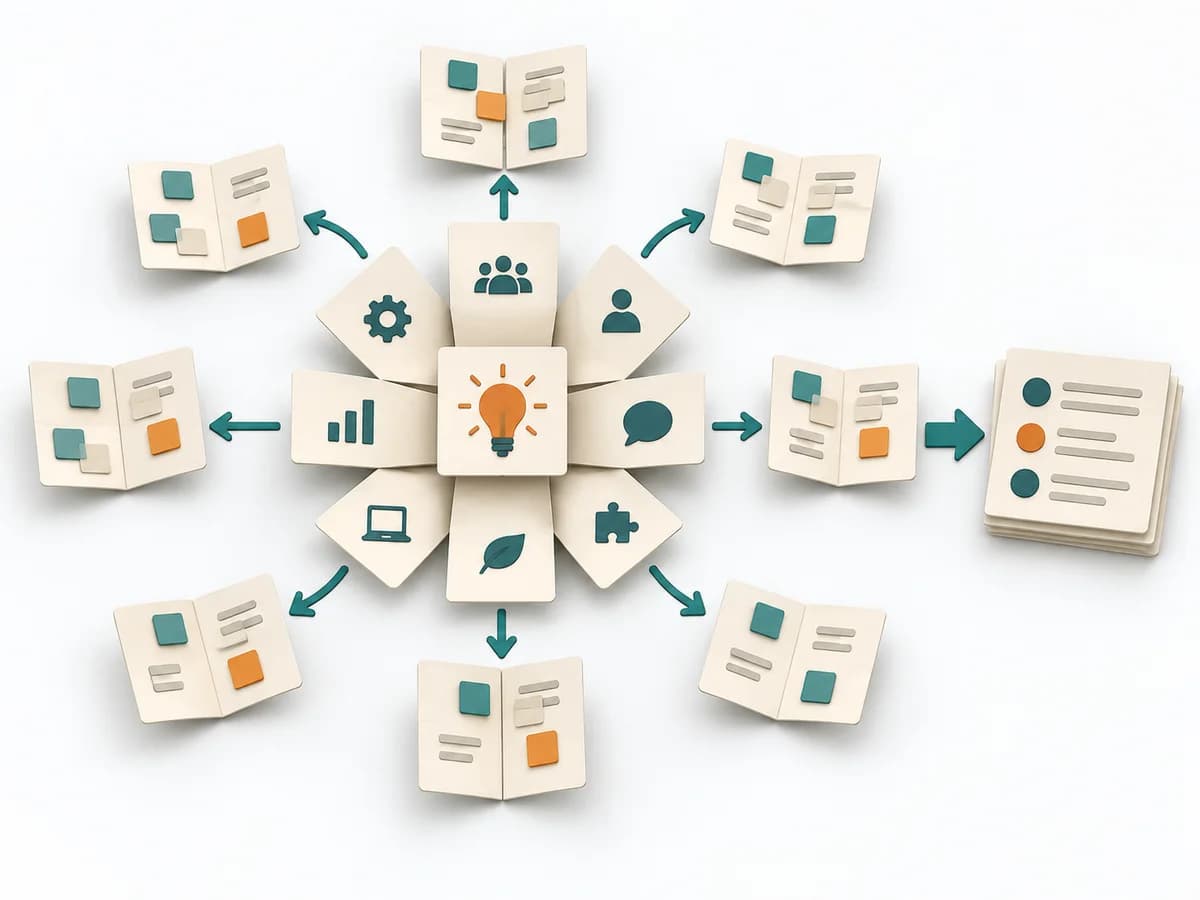 Innovation Lotus Blossom | 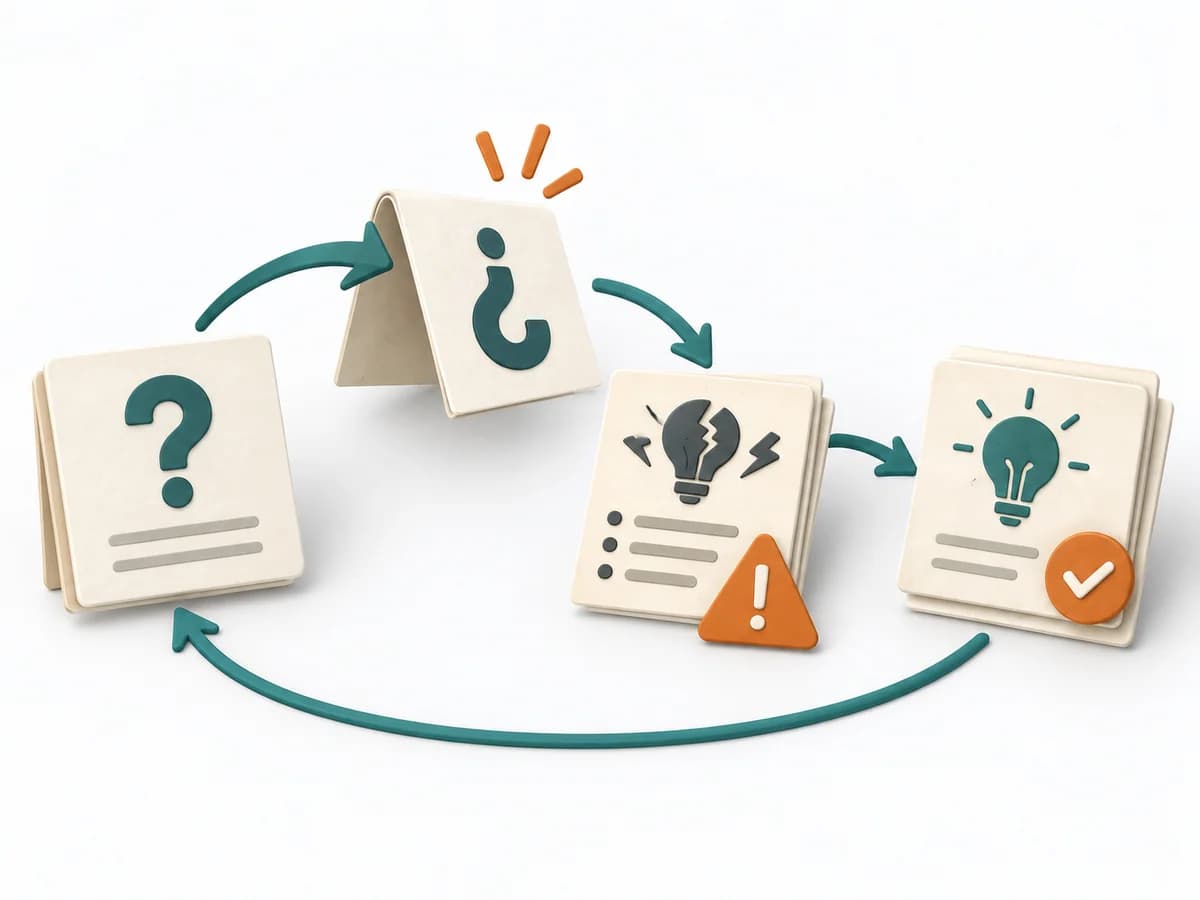 Innovation Reverse Brainstorming |
|---|---|---|---|---|
Purposedifferent | When several contexts need to talk to each other, it makes their relationships and dependencies legible. It helps sort integration pressure and responsibilities across system boundaries. | When a business context is still loosely outlined, it shapes language, responsibility, and integration space. It clarifies what belongs together and where a boundary needs to hold. | When a central question feels too large, the method breaks it into neighboring topic fields with their own depth of ideation. It holds structure and openness at the same time, so adjacent perspectives don't get lost. This grows an idea space out of a core problem. | For persistent errors or blockages, the method shifts the view to the opposite of the desired effect. It exposes the mechanics of failure and makes hidden causes easier to grasp. This makes improvement more concrete and the problem clearer. |
Complexitydifferent | Medium | Medium | Low | Low |
Timedifferent | 1-3 h | 1-3 h | 45-90 min | 30-60 min |
Participantsdifferent | 2-8 | 3-8 | 3-10 | 3-12 |
Formatdifferent | Workshop + async | Workshop + async | Workshop | Workshop |
Outputdifferent | Context Map, Integration Patterns, Boundary Notes | Context Canvas, Glossary, Integration Notes | Lotus Diagram, Idea Themes, Shortlist | Reverse Ideas, Risk Themes, Solution Ideas |
Tagsno overlap | Domain-Driven DesignBoundariesStrategy | Domain-Driven DesignBoundariesModeling | BrainstormingIdeationCreativityDivergenceWorkshop | BrainstormingIdeationCreativityRisk |