View methods side by side.
Choose up to four methods. Add them using the search and share the comparison by copying its link.
| Criterion |  Domain Modeling Context Map |  Operations After-Action Review | 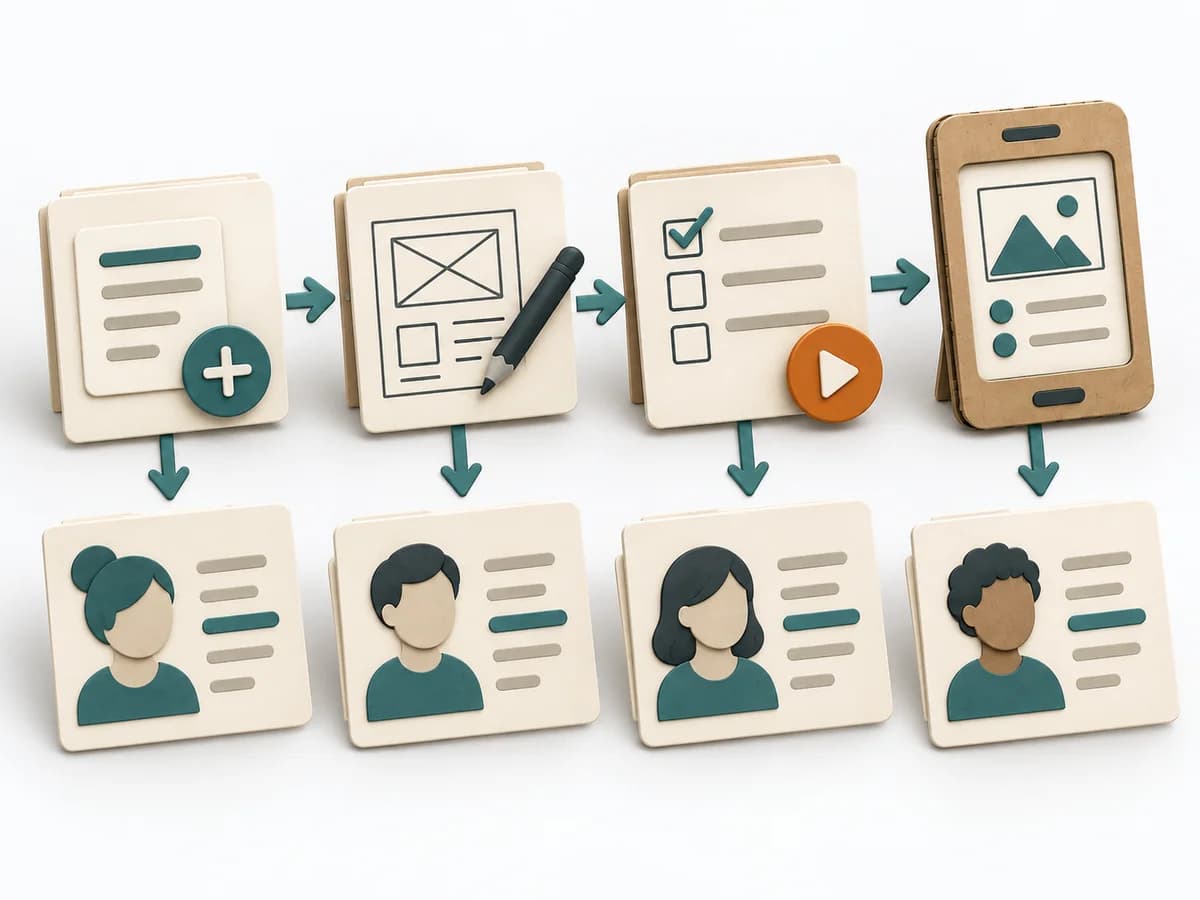 Knowledge Modeling Event Modeling | 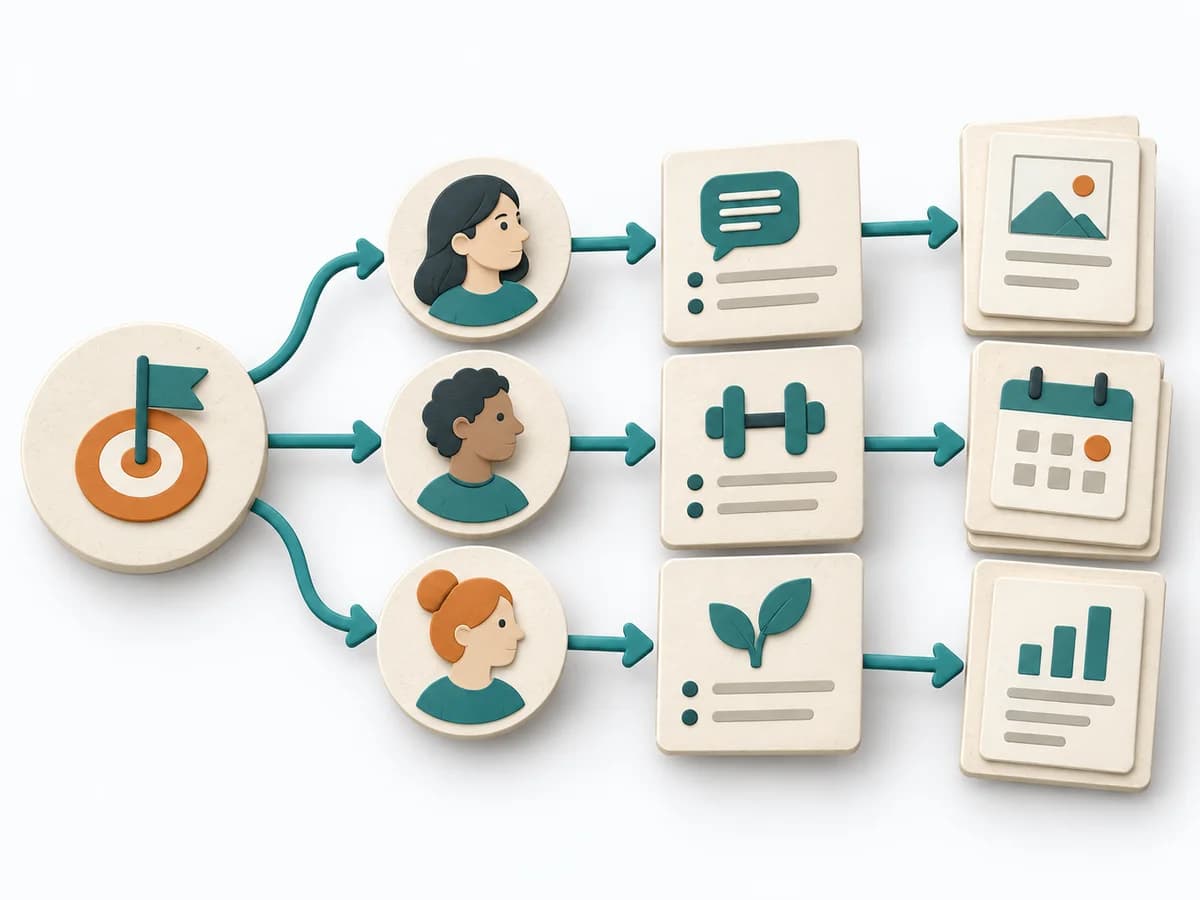 Product Strategy Impact Mapping |
|---|---|---|---|---|
Purposedifferent | When several contexts need to talk to each other, it makes their relationships and dependencies legible. It helps sort integration pressure and responsibilities across system boundaries. | After missions or project phases with unclear outcomes, the method makes visible what actually happened and what can be learned from it. It separates course, effect, and causes so experience turns into solid improvement. | Event Modeling connects business workflows with commands, events, and views into one coherent mental model. It helps design behavior, UI, and technical slices from the same underlying logic. | When a goal needs to be connected to several possible paths, it shows chains of impact instead of feature lists. It connects business goal, behavior change, and measures. |
Complexitydifferent | Medium | Low | Medium | Medium |
Timedifferent | 1-3 h | 20-45 min | 2-6 h | 45-90 min |
Participantsdifferent | 2-8 | 3-12 | 2-8 | 3-8 |
Formatdifferent | Workshop + async | Workshop + async | Workshop + async | Workshop |
Outputdifferent | Context Map, Integration Patterns, Boundary Notes | Lessons learned, Action items, Event summary | Event Model, UI Flow, Commands, Read Models | Impact Map, Outcome Hypotheses, Delivery Options |
Tagsno overlap | Domain-Driven DesignBoundariesStrategy | LearningOperationsImprovement | EventsBlueprintDomain-Driven DesignBehavior | OutcomesStrategyBehaviorPlanning |