View methods side by side.
Choose up to four methods. Add them using the search and share the comparison by copying its link.
| Criterion | 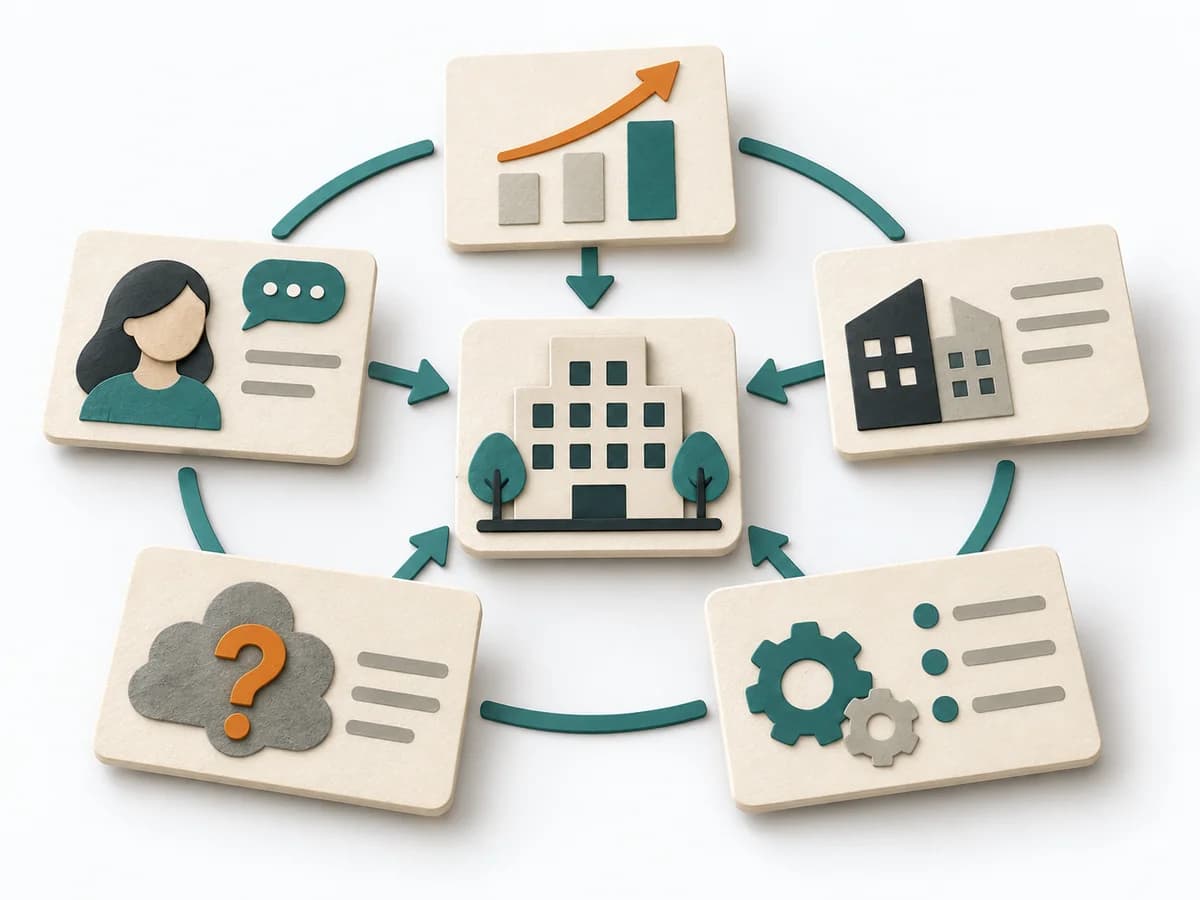 Product Discovery Context Canvas | 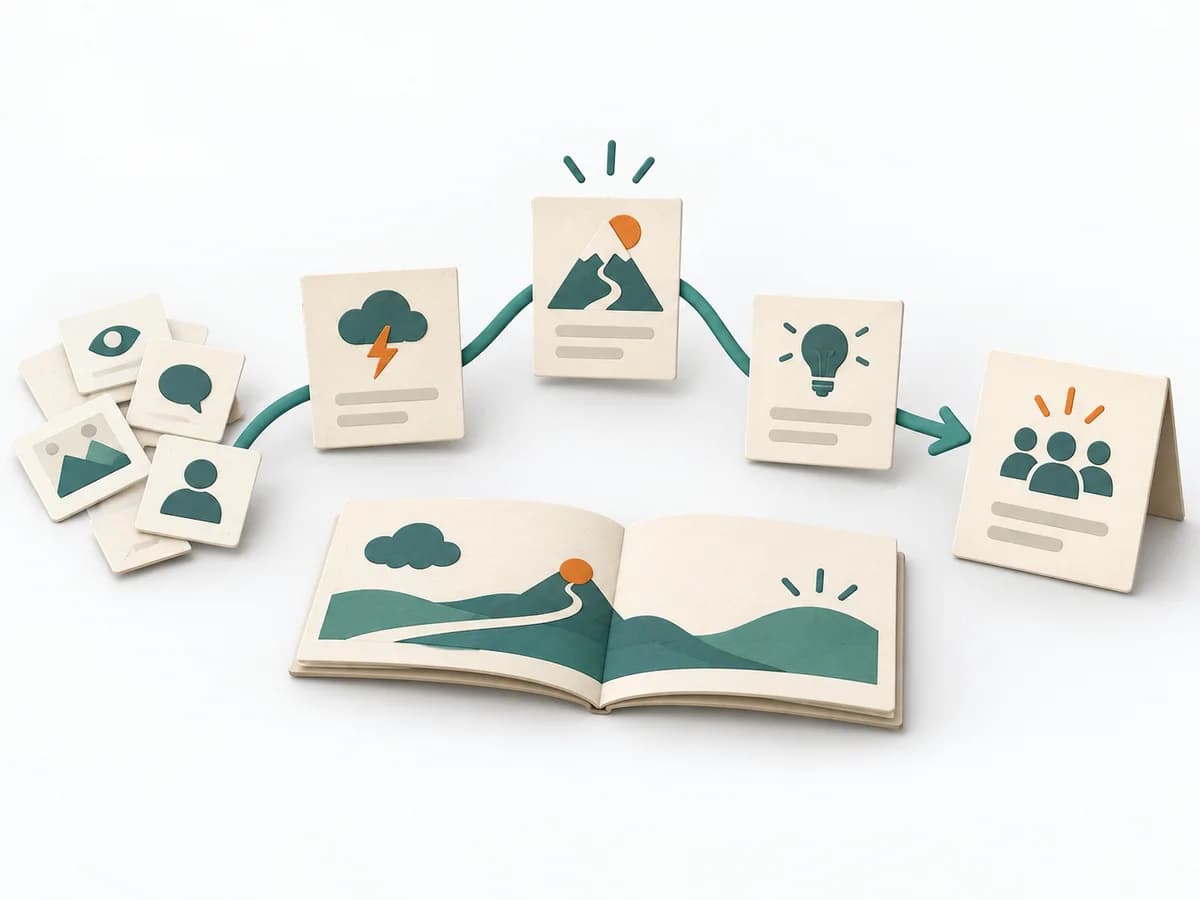 Facilitation Storytelling | 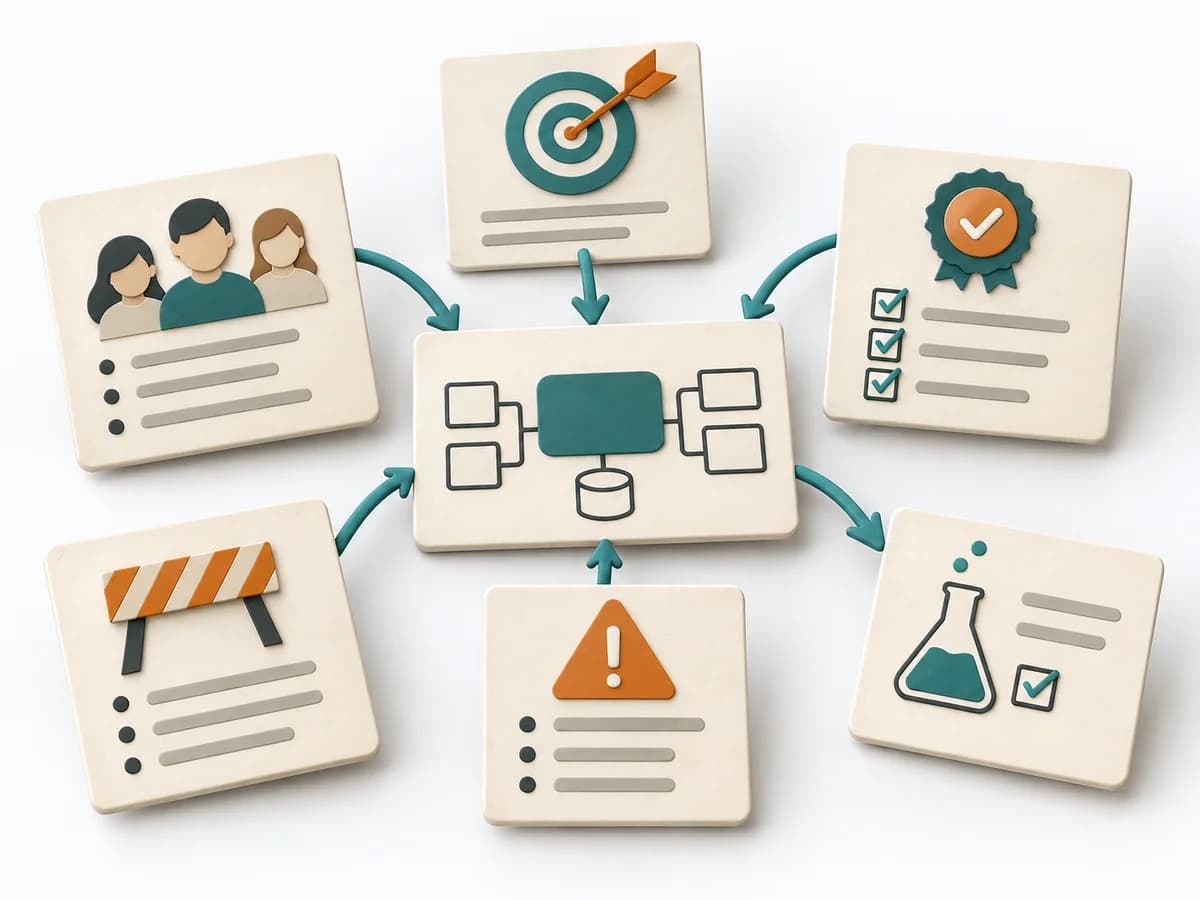 Architecture Architecture Inception Canvas |  Facilitation Alignment Mapping |
|---|---|---|---|---|
Purposedifferent | When an environment of users, systems, and constraints is hard to grasp, it puts the context compactly on the table. It creates a clear reading of influence, boundary, and dependency. | When an insight needs to have an effect, storytelling translates dry facts into a comprehensible development. It combines context, tension, and consequence into a form that people remember and pass on more easily. | The Architecture Inception Canvas bundles the first architecture questions into a compact decision picture. It fits when an initiative is still in motion but still needs clear guardrails. | When several people work toward one goal but hold different mental maps, Alignment Mapping makes the discrepancies visible. It arranges goals, assumptions, and priorities so shared direction becomes verifiable. |
Complexitydifferent | Low | Medium | Low | Medium |
Timedifferent | 45-90 min | 45-120 min | 1-2 h | 1-2 h |
Participantsdifferent | 3-10 | 1-6 | 3-8 | 4-12 |
Formatdifferent | Workshop | Workshop + async | Workshop | Workshop |
Outputdifferent | Context canvas, Open questions, Shared context notes | Narrative Outline, Key Message, Story Arc | Inception Canvas, Risks, Goal List, Open Questions | Alignment Map, Open Issues, Decision Questions |
Tagsno overlap | ContextFramingRequirementsCanvas | CommunicationNarrativeStakeholdersFacilitation | AlignmentArchitectureCanvas | AlignmentStakeholdersStrategyFacilitation |