View methods side by side.
Choose up to four methods. Add them using the search and share the comparison by copying its link.
| Criterion | 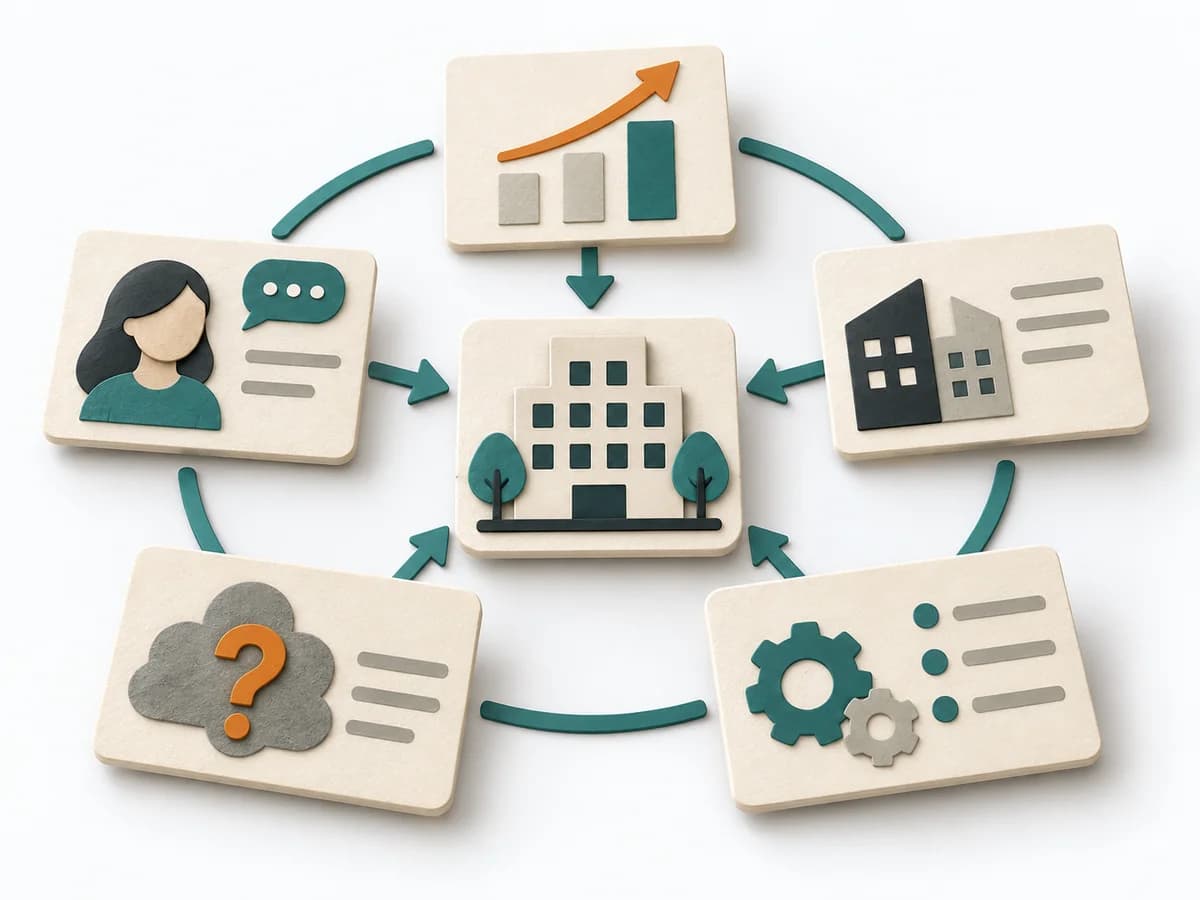 Product Discovery Context Canvas | 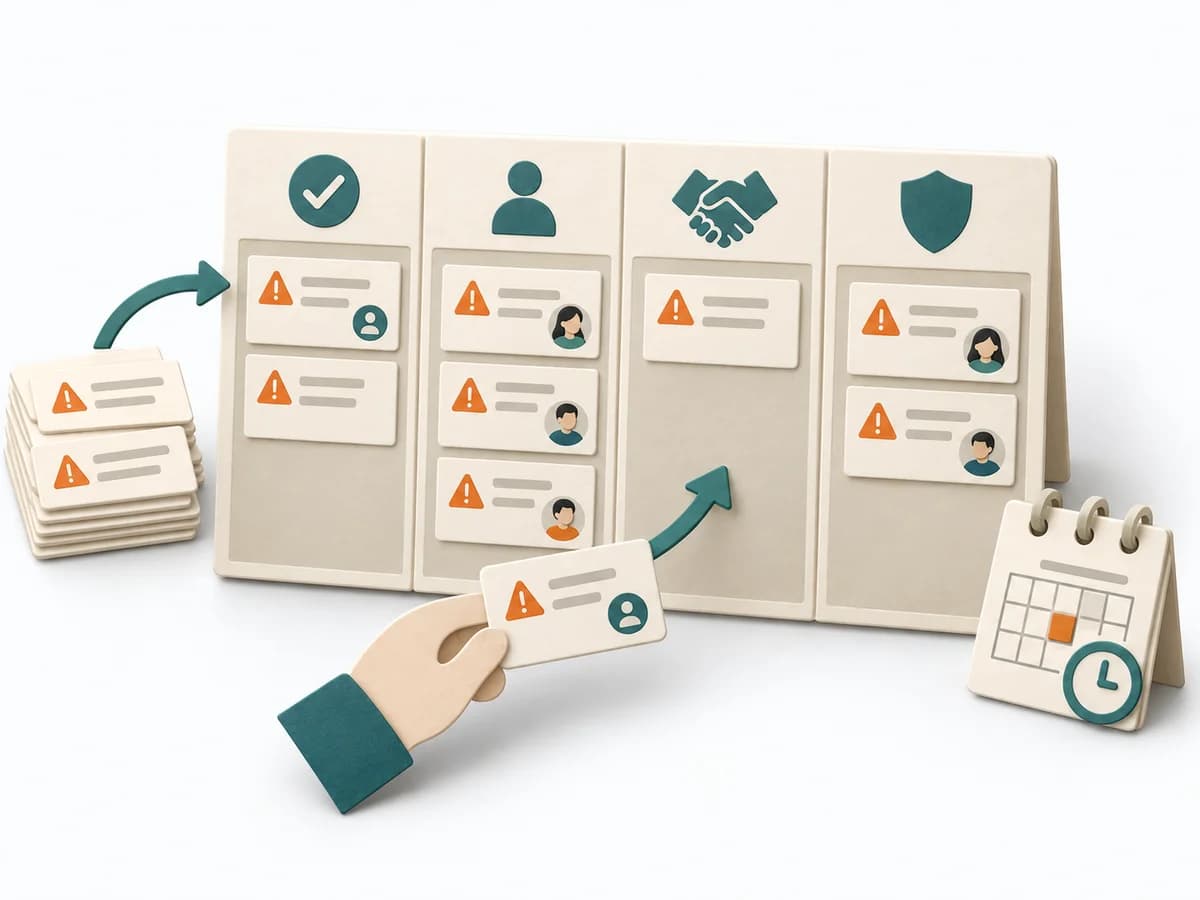 Agile ROAM Board | 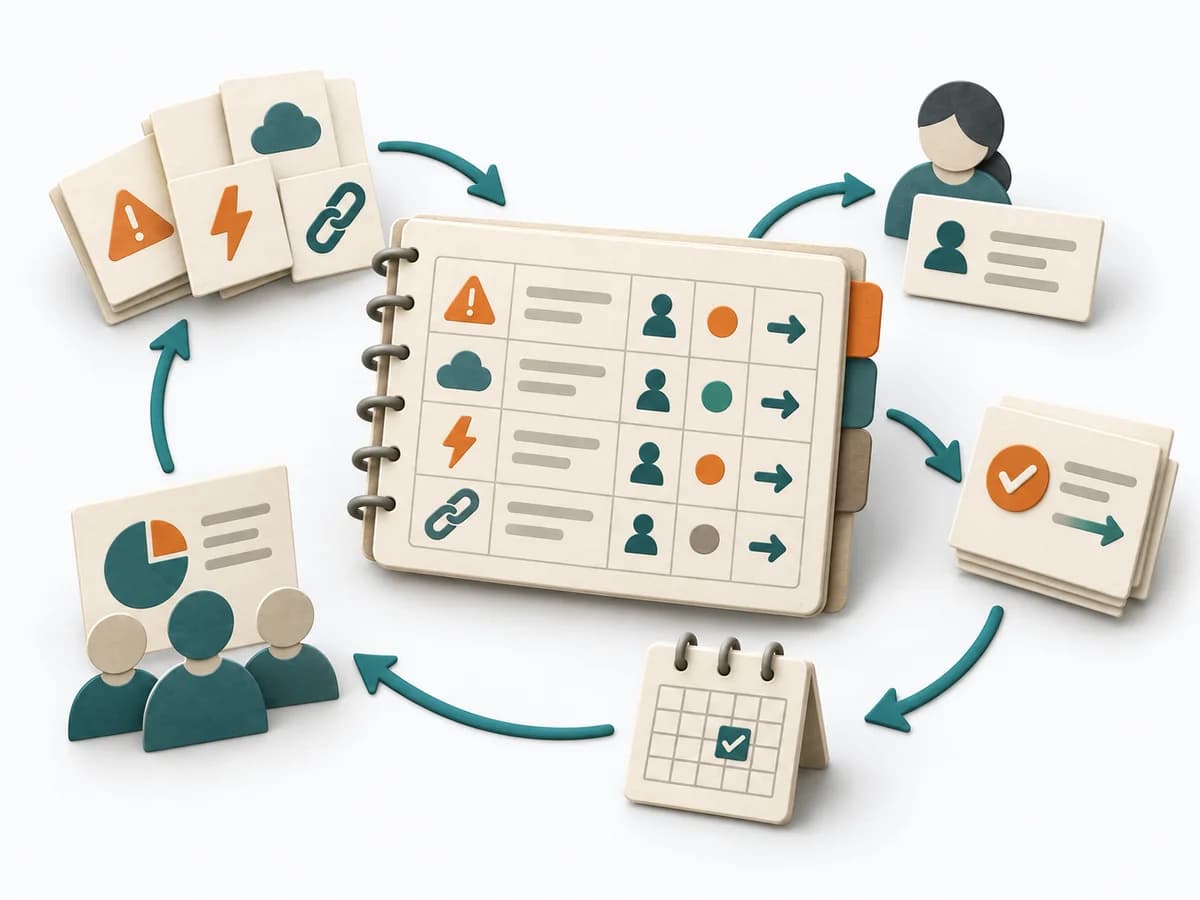 Delivery RAID Log | 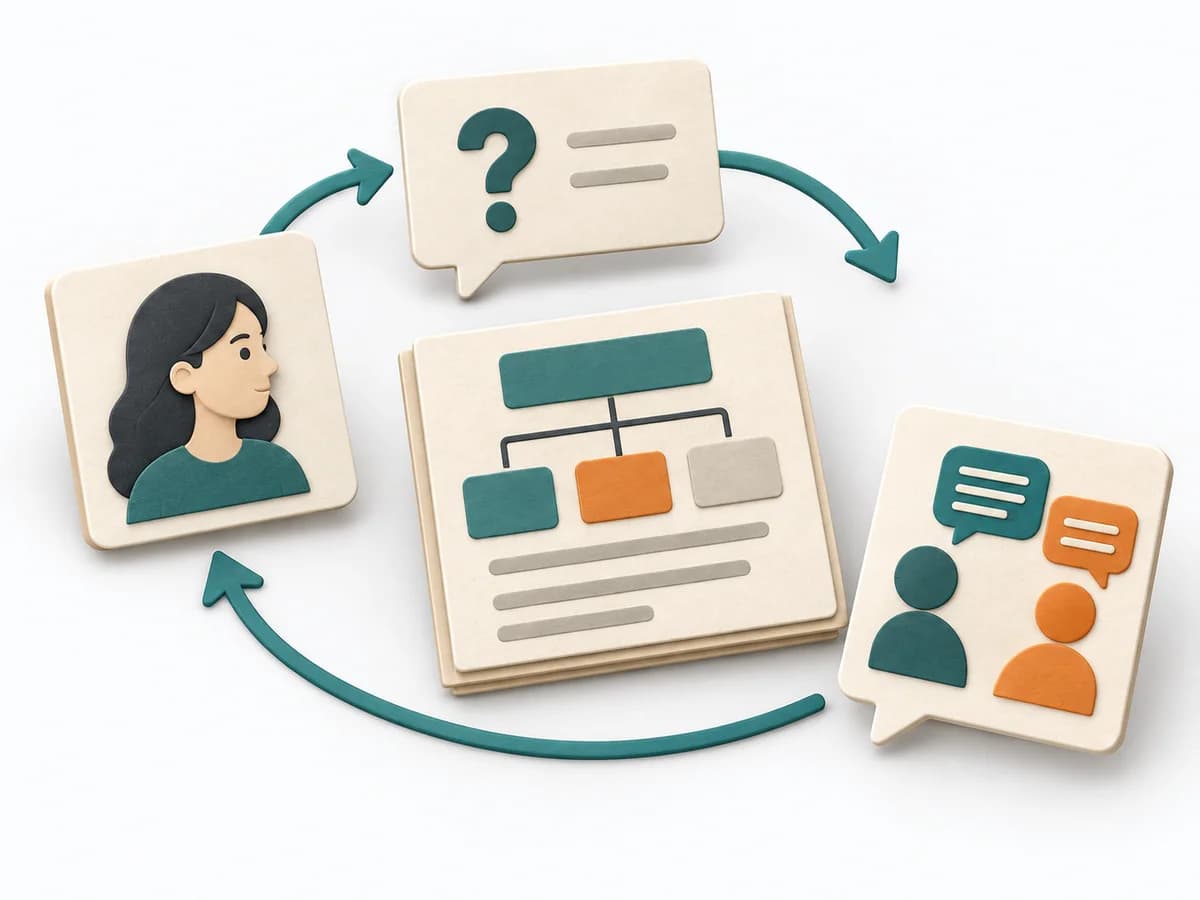 Architecture Architecture Communication Canvas |
|---|---|---|---|---|
Purposedifferent | When an environment of users, systems, and constraints is hard to grasp, it puts the context compactly on the table. It creates a clear reading of influence, boundary, and dependency. | When work needs to move between different states or columns, it makes that movement and its handoffs legible. It sorts work by value, risk, and delivery ability. The result is captured as a ROAM Board and an Owner List. | Helps clarify scope, sequence, and delivery flow in concrete terms. It makes work, boundaries, and order steerable. The result is captured as a RAID Log and a source for status reporting. | The Architecture Communication Canvas plans architecture communication so the right people receive the right message. The method turns technical complexity into deliberate communication design. |
Complexitydifferent | Low | Low | Low | Medium |
Timedifferent | 45-90 min | 20-40 min initial, dann laufend | 30 min Setup, dann laufend | 60-120 min |
Participantsdifferent | 3-10 | 3-15 | 1-3 maintaining, briefing for everyone | 2-8 |
Formatdifferent | Workshop | Workshop + async | Async | Workshop + async |
Outputdifferent | Context canvas, Open questions, Shared context notes | ROAM Board, Owner List | RAID Log, Status Report Source | Communication Canvas, Stakeholder Messages, Architecture Communication Plan |
Tagsno overlap | ContextFramingRequirementsCanvas | RiskAgileTrackingAlignment | RiskTrackingStakeholdersGovernance | ArchitectureCommunicationStakeholdersCanvas |