View methods side by side.
Choose up to four methods. Add them using the search and share the comparison by copying its link.
| Criterion | 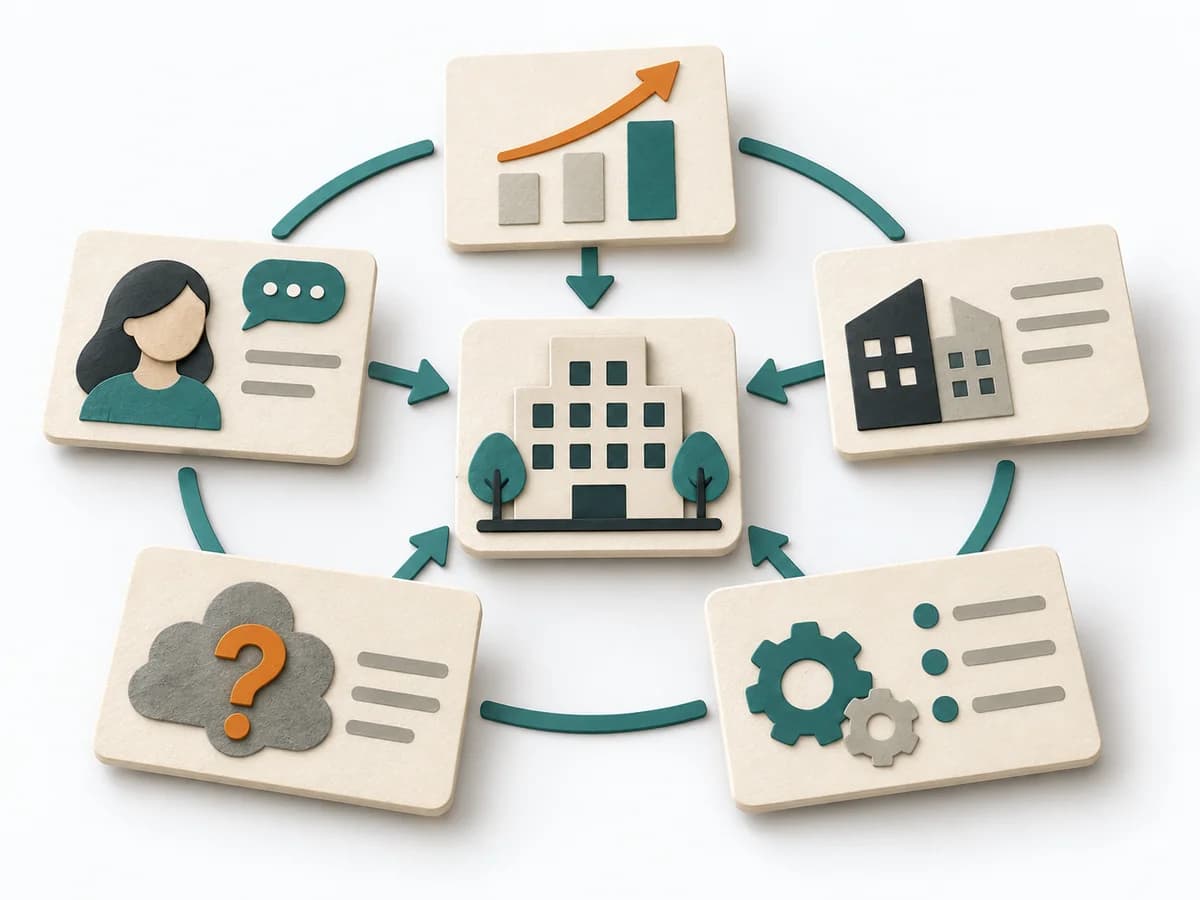 Product Discovery Context Canvas |  Business Strategy GAP Analysis |  Operations Eat the Frog | 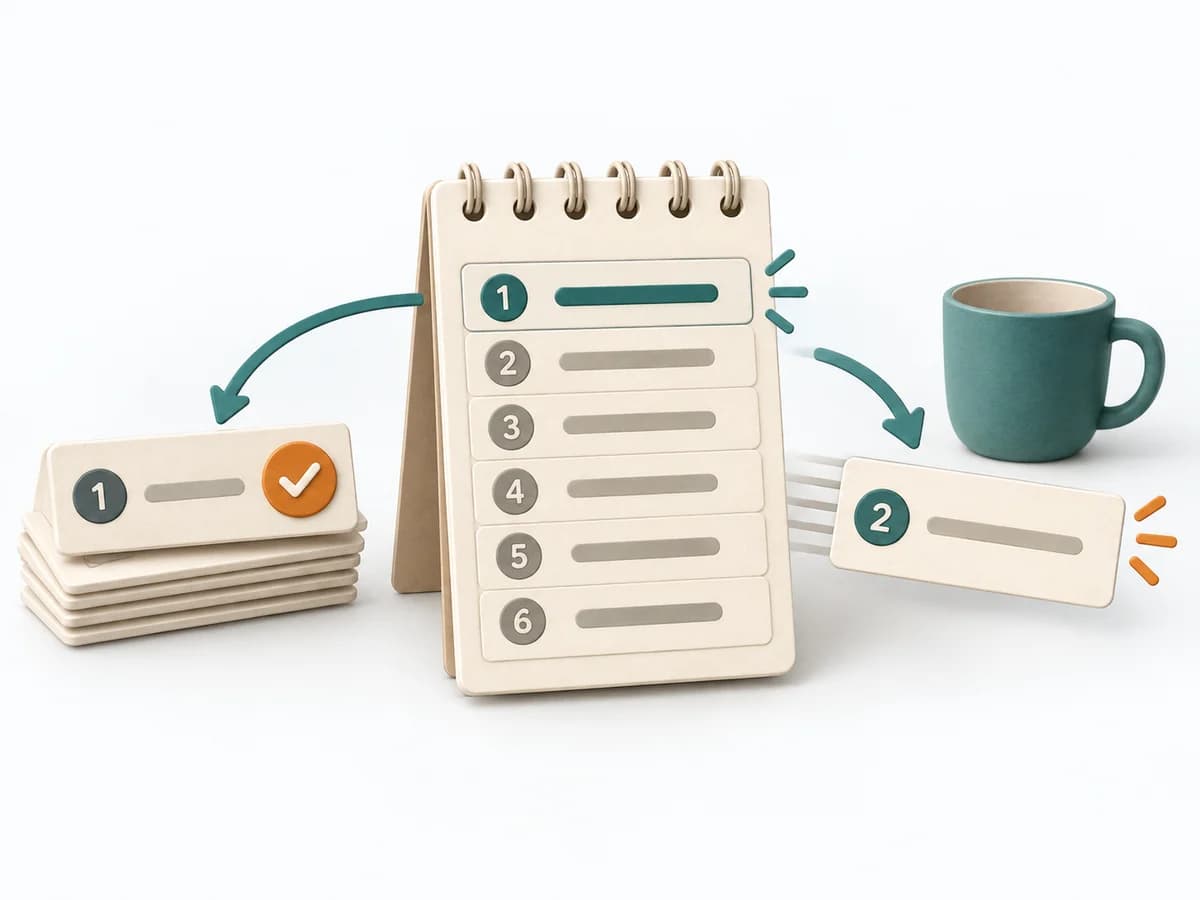 Operations Ivy Lee Method |
|---|---|---|---|---|
Purposedifferent | When an environment of users, systems, and constraints is hard to grasp, it puts the context compactly on the table. It creates a clear reading of influence, boundary, and dependency. | GAP Analysis compares the current state with a target picture and makes the distance manageable. It becomes useful when, ahead of new initiatives, it must become clear which capabilities, processes, or resources are missing. | The method protects energy and attention for the task that creates the largest progress and is often postponed. | With a restless workday full of too many open items, the method creates radical simplicity. It directs attention to a short sequence instead of a broad, still-open field. |
Complexitydifferent | Low | Medium | Low | Low |
Timedifferent | 45-90 min | 1-3 h | 15-90 min daily | 5-10 min daily |
Participantsdifferent | 3-10 | 2-8 | 1 | 1 |
Formatdifferent | Workshop | Workshop + async | Async | Async |
Outputdifferent | Context canvas, Open questions, Shared context notes | Gap Matrix, Action Plan, Risk Notes | Priority Task, Completion Note, Daily Focus | Daily Priority List, Completion Notes |
Tagsno overlap | ContextFramingRequirementsCanvas | StrategyAnalysisPlanning | PrioritizationProductivityFocusExecution | PrioritizationProductivityExecution |