View methods side by side.
Choose up to four methods. Add them using the search and share the comparison by copying its link.
| Criterion | 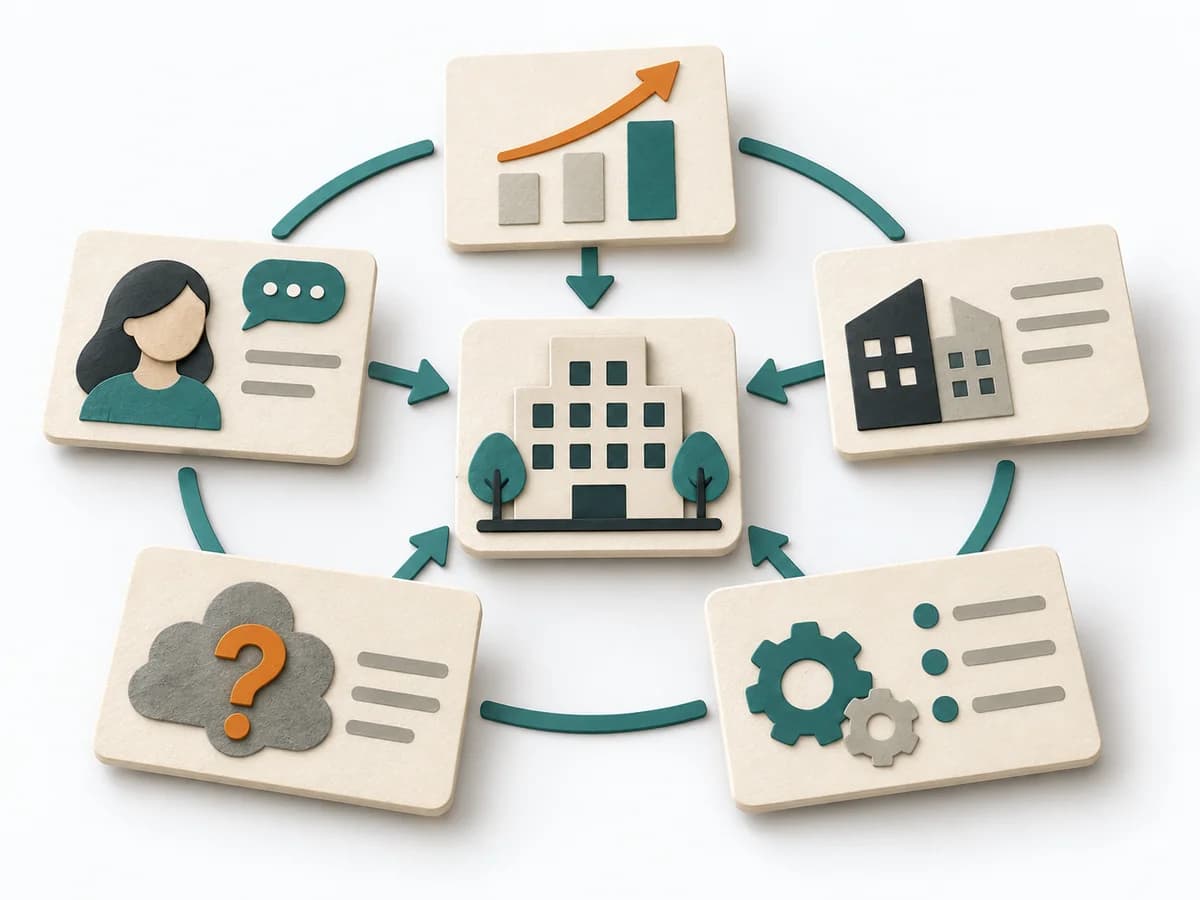 Product Discovery Context Canvas | 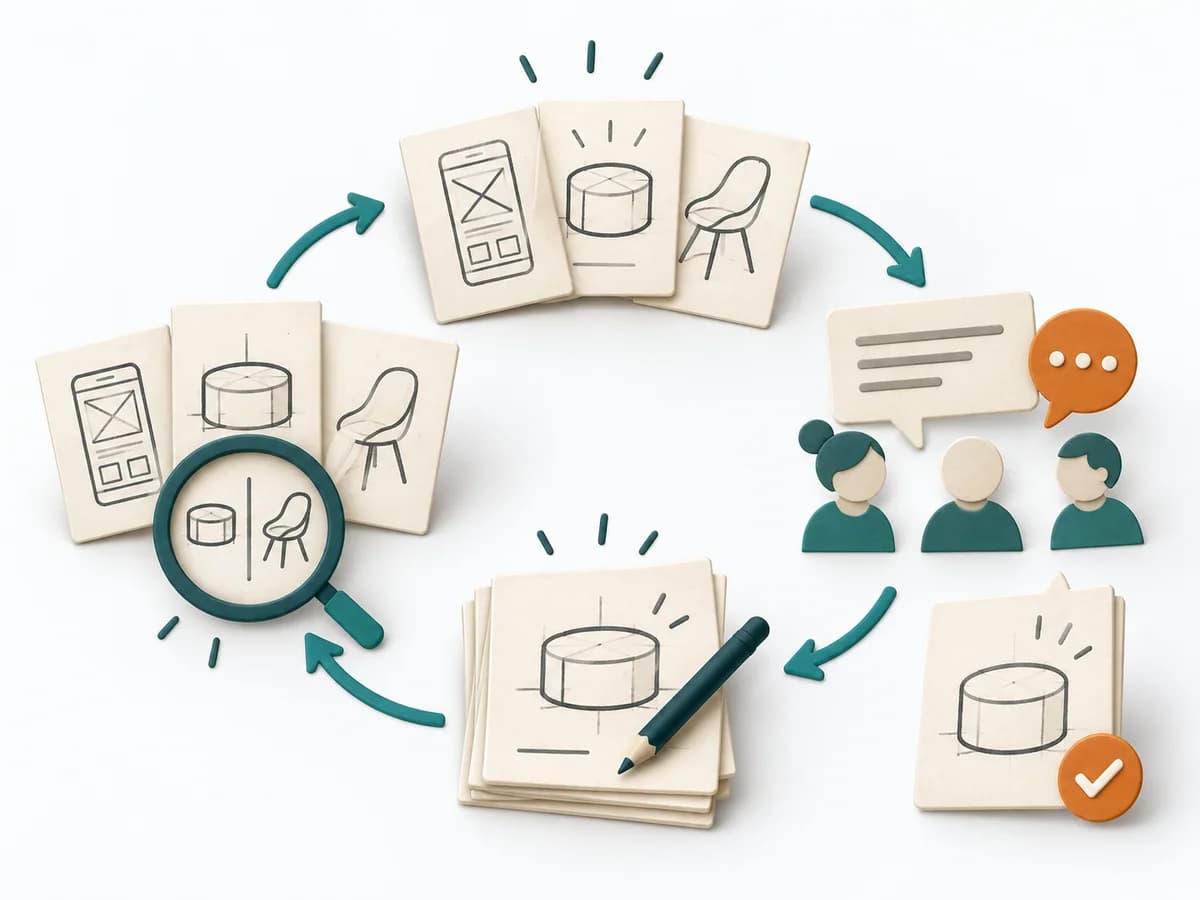 UX Design Design Studio | 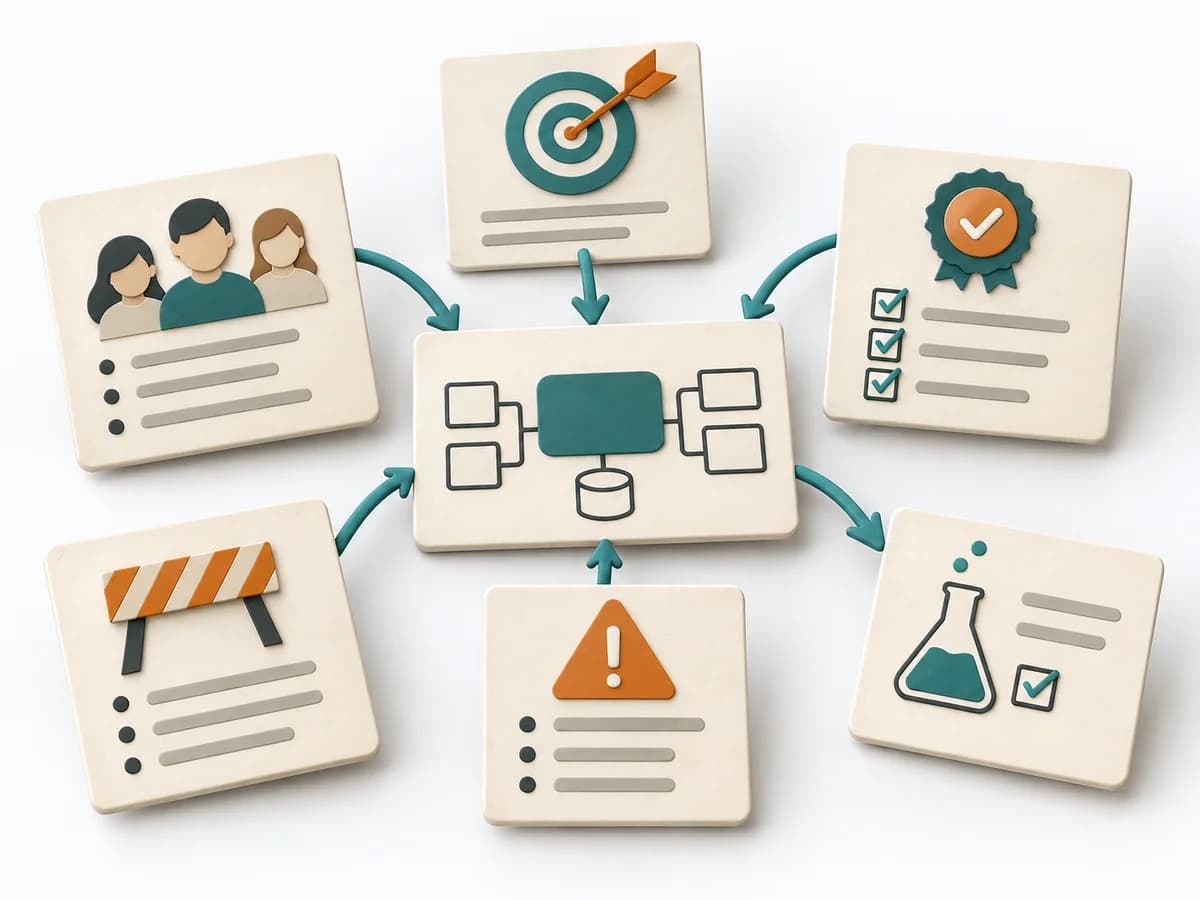 Architecture Architecture Inception Canvas | 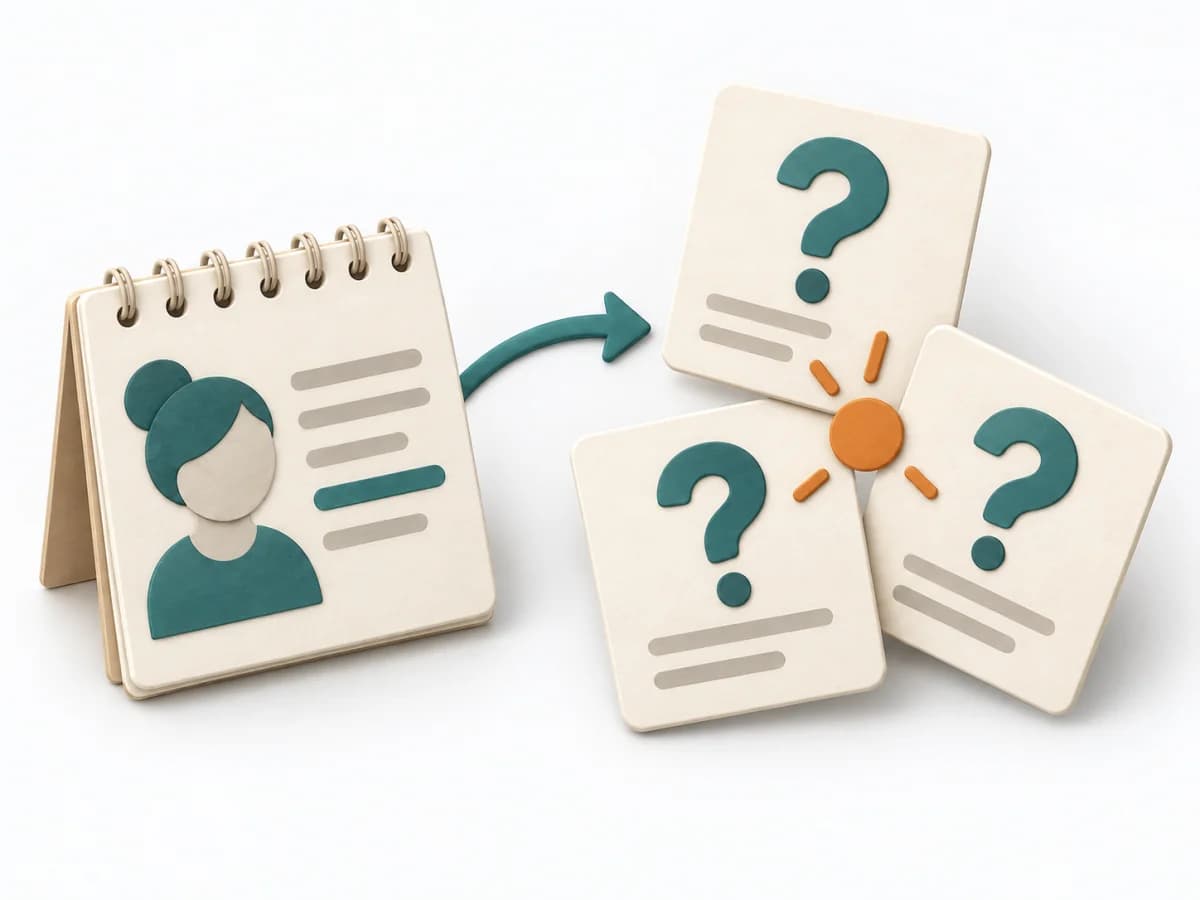 Innovation How Might We |
|---|---|---|---|---|
Purposedifferent | When an environment of users, systems, and constraints is hard to grasp, it puts the context compactly on the table. It creates a clear reading of influence, boundary, and dependency. | When several designs need to be quickly put in relation to each other, it makes ideas visible and comparable. It encourages early variants instead of long upfront debates. | The Architecture Inception Canvas bundles the first architecture questions into a compact decision picture. It fits when an initiative is still in motion but still needs clear guardrails. | With a stuck problem carrying many implicit assumptions, the method translates observations into open, workable questions. It sharpens the problem frame without pre-thinking the solution, turning frustration or fuzziness into a search space with clear direction. |
Complexitydifferent | Low | Medium | Low | Low |
Timedifferent | 45-90 min | 1-3 h | 1-2 h | 30–45 min |
Participantsdifferent | 3-10 | 3-8 | 3-8 | 1-10 |
Formatdifferent | Workshop | Workshop | Workshop | Workshop + async |
Outputdifferent | Context canvas, Open questions, Shared context notes | Sketches, Concept Directions, Design Decisions | Inception Canvas, Risks, Goal List, Open Questions | HMW Questions, Challenge Framing, Idea Prompts |
Tagsno overlap | ContextFramingRequirementsCanvas | SketchingCollaborationIdeation | AlignmentArchitectureCanvas | FramingOpportunityIdeationQuestions |