View methods side by side.
Choose up to four methods. Add them using the search and share the comparison by copying its link.
| Criterion |  Decision Making Constraint Analysis |  DevOps Incident Command | 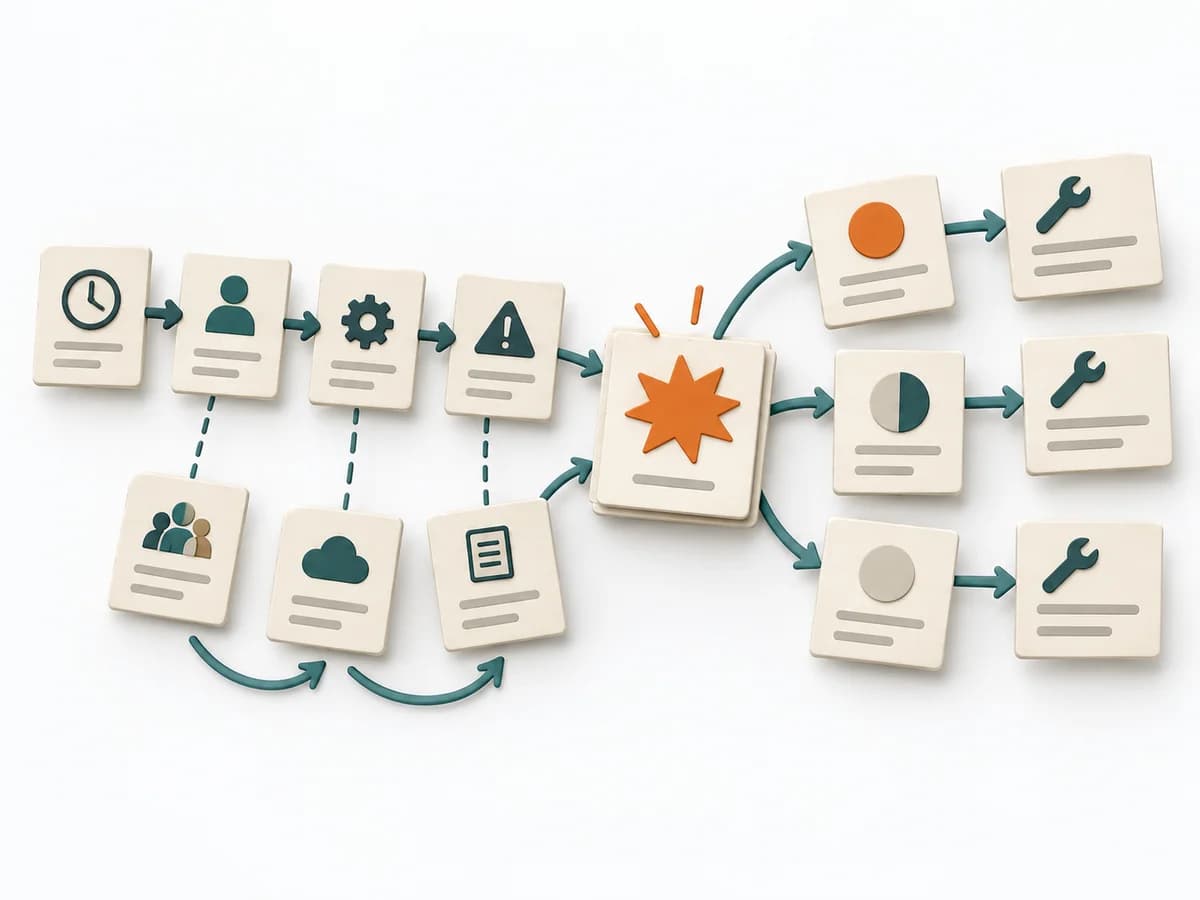 Operations Causal Factor Analysis | 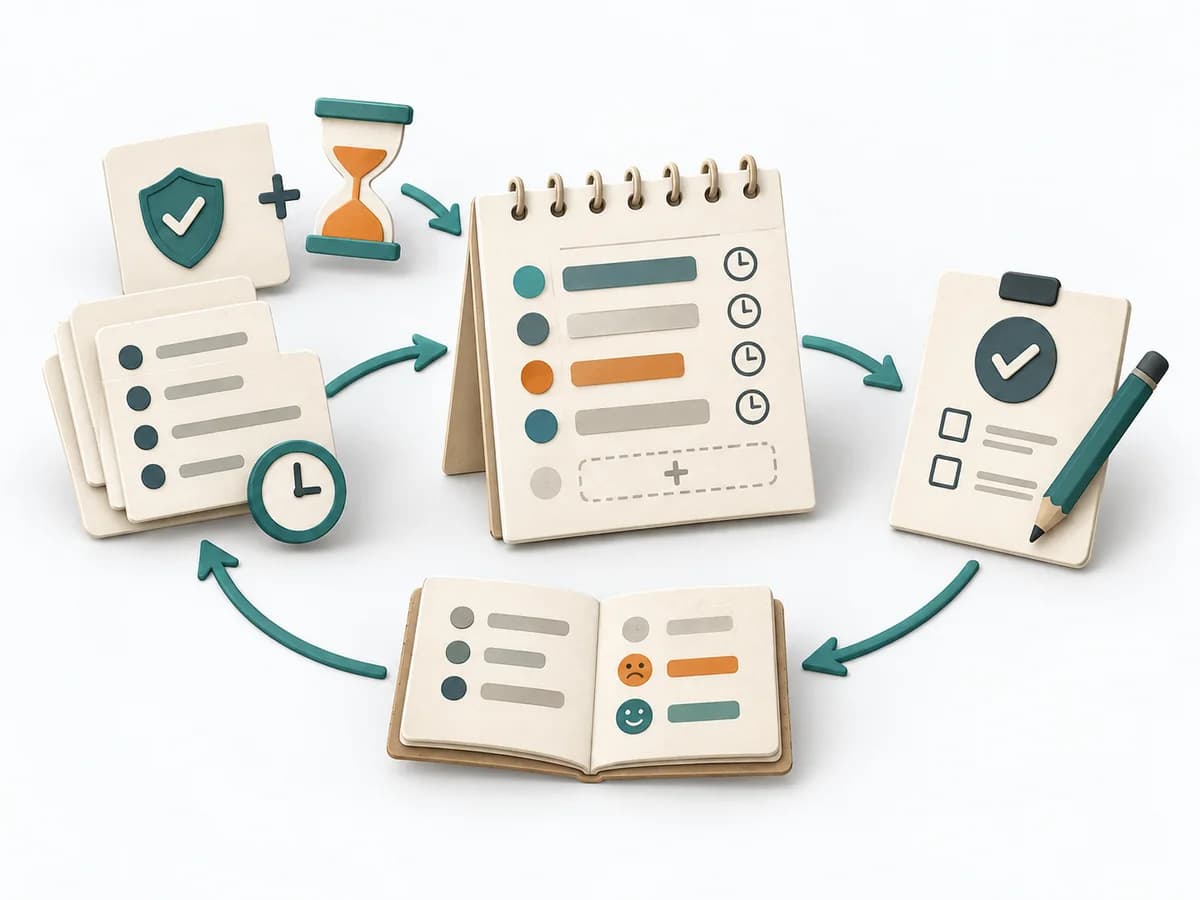 Operations ALPEN Method |
|---|---|---|---|---|
Purposedifferent | When an initiative stalls, the limit often lies not in the idea but in hard or soft boundary conditions. Constraint Analysis separates these limits and shows which of them can actually be shaped. | During an acute incident with several people involved, the method creates a clear leadership and communication structure. It reduces chaos when fast coordination and clean situational awareness are both needed at once. | For an event with a complicated course, the method breaks down the contributing factors along the timeline. It shows how conditions, decisions, and reactions together produce a course of events. | With an overloaded day full of too many tasks, a realistic picture of the day emerges. The method connects estimating, deciding, and buffer thinking so planning fits available energy and time. |
Complexitydifferent | Low | Medium | High | Low |
Timedifferent | 30-90 min | As needed | 2-6 h | 10-20 min daily |
Participantsdifferent | 2-8 | 4-15 | 3-10 | 1 |
Formatdifferent | Workshop + async | Workshop + async | Workshop + async | Async |
Outputdifferent | Constraint List, Hard/Soft Classification, Option Impact Notes, Decision Boundaries | Incident Log, Action Tracker, Stakeholder Updates | Event Timeline, Causal Factor Chart, Cause List, Corrective Actions | Daily Plan, Time Estimates, Review Notes |
Tagsno overlap | ConstraintsDecisionPlanningOptions | IncidentOperationsReliability | CausalityIncidentRoot causeTimeline | PlanningTime managementProductivityOperations |