View methods side by side.
Choose up to four methods. Add them using the search and share the comparison by copying its link.
| Criterion | 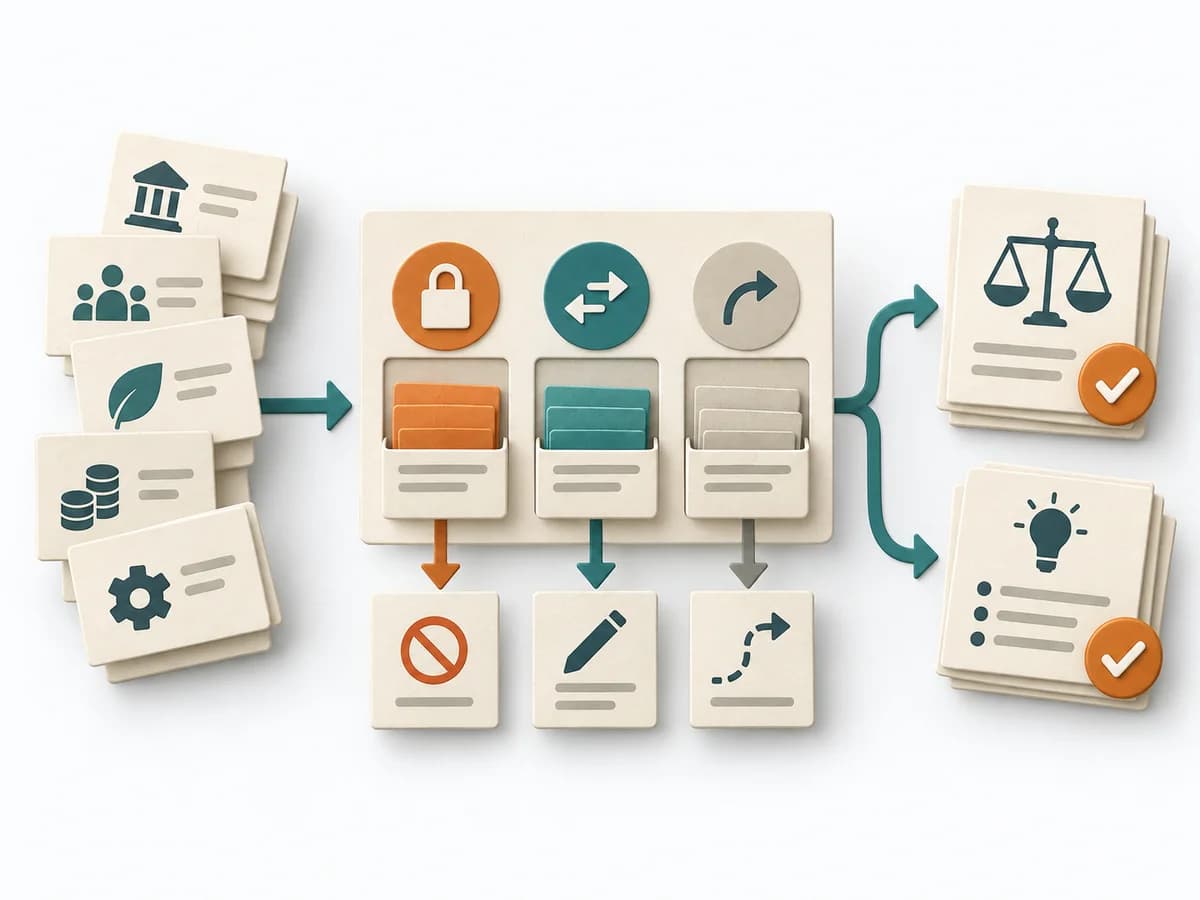 Decision Making Constraint Analysis |  Operations ALPEN Method | 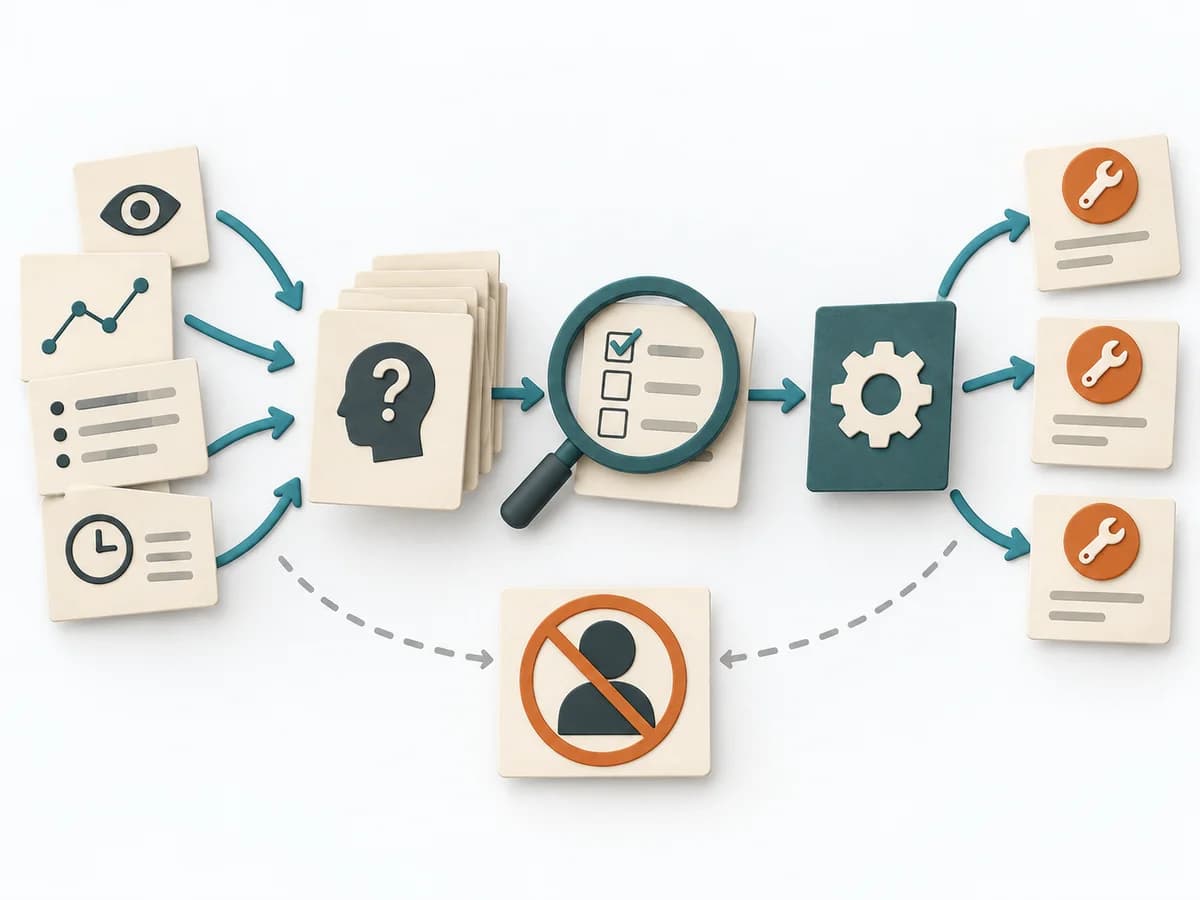 Operations Root Cause Analysis |  Operations Failure Mode and Effects Analysis |
|---|---|---|---|---|
Purposedifferent | When an initiative stalls, the limit often lies not in the idea but in hard or soft boundary conditions. Constraint Analysis separates these limits and shows which of them can actually be shaped. | With an overloaded day full of too many tasks, a realistic picture of the day emerges. The method connects estimating, deciding, and buffer thinking so planning fits available energy and time. | When a problem keeps recurring and the cause stays unclear, the method exposes the underlying mechanism. It separates symptom, guess, and robust explanation from one another. | For a process, product, or service with noticeable failure risks, the method assesses possible failure modes in advance. It directs attention to combinations of occurrence, effect, and detectability. |
Complexitydifferent | Low | Low | Medium | High |
Timedifferent | 30-90 min | 10-20 min daily | 1-4 h | 2-6 h |
Participantsdifferent | 2-8 | 1 | 3-8 | 3-10 |
Formatdifferent | Workshop + async | Async | Workshop + async | Workshop |
Outputdifferent | Constraint List, Hard/Soft Classification, Option Impact Notes, Decision Boundaries | Daily Plan, Time Estimates, Review Notes | Problem Statement, Cause Hypotheses, Confirmed Causes, Action Plan | FMEA Table, Risk Priority, Mitigation Actions |
Tagsno overlap | ConstraintsDecisionPlanningOptions | PlanningTime managementProductivityOperations | Root causeProblem solvingQualityIncident | RiskQualityOperationsRoot cause |